
Living in Vancouver makes it easy to drive to the United States. Most of us come and go regularly for shopping, sporting events, concerts and weekend getaways. I’ve been across the border to Seattle a million times, and motor down the coast to Los Angeles regularly for spring bicycle riding in the warm Santa Monica mountains. On work trips over the years I’ve rented cars and driven around the cities and areas I was visiting: Atlanta, San Francisco, New York, Chicago, Houston, and others. I’ve made several long distance road trips, car camping and staying in cheap motels along the way.
But in August I set off on a three-and-a-half month road trip covering a little over 22,000 kilometers (13,500 miles) in a big loop around the States. It’s the longest road trip I’ve ever made (and this is the largest blog entry I’ve ever posted) and it was fantastic.
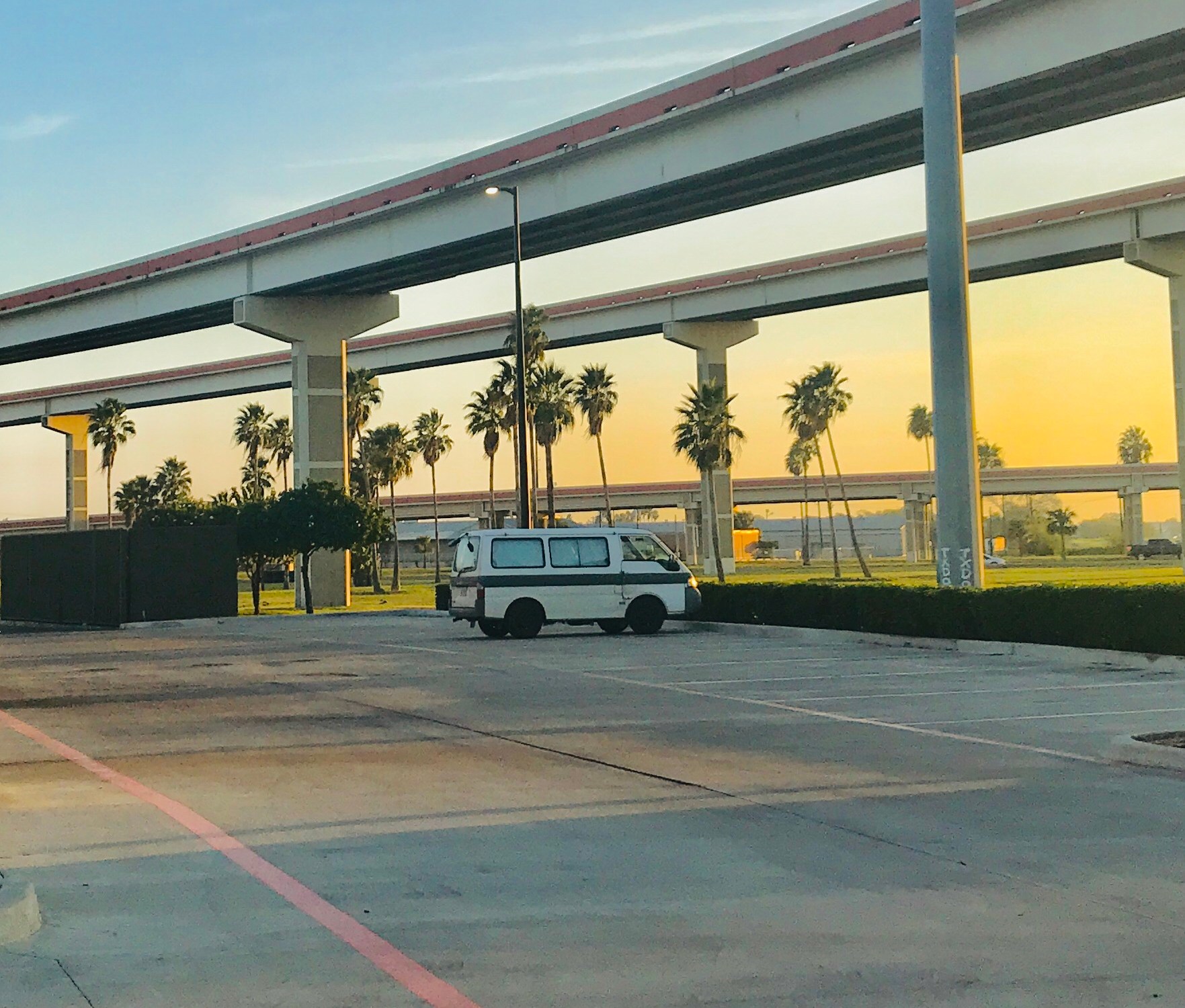
I imported a used van from Japan specifically for the trip, a 2001 Nissan Vanette with 78,000 kilometers on the odometer. Used Japanese right-hand drive vehicles are increasingly popular in Vancouver these days; they’re easy to ship to Canada, there are a lot of them for sale in Japan and they’re cheap. I named mine “Mrs. Nakagawa”. Nakagawa is a very common household sort of name in Japan, and – to me at least – conjures up an image of someone slightly aged and past her prime but reliable, loyal and resourceful. And so she proved to be giving me not a single problem the entire journey.

My brother Greg helped me install a faux wood laminate floor, a narrow elevated bunk and some storage. Once provisioned Mrs. Nakagawa and I set off on a wide, loosely articulated clockwise loop around much of the United States, getting as far east as Pittsburgh, Pennsylvania and as far south as the Texas/Mexico border. Here’s how it went…
Logistics
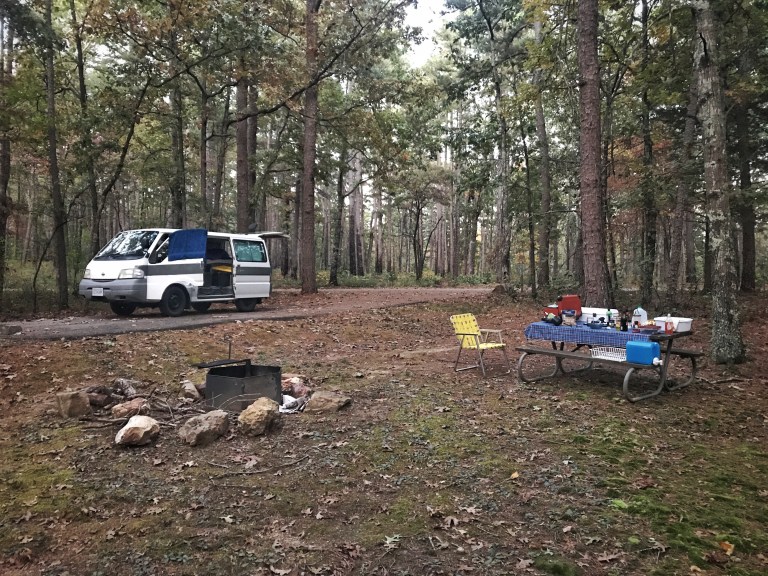
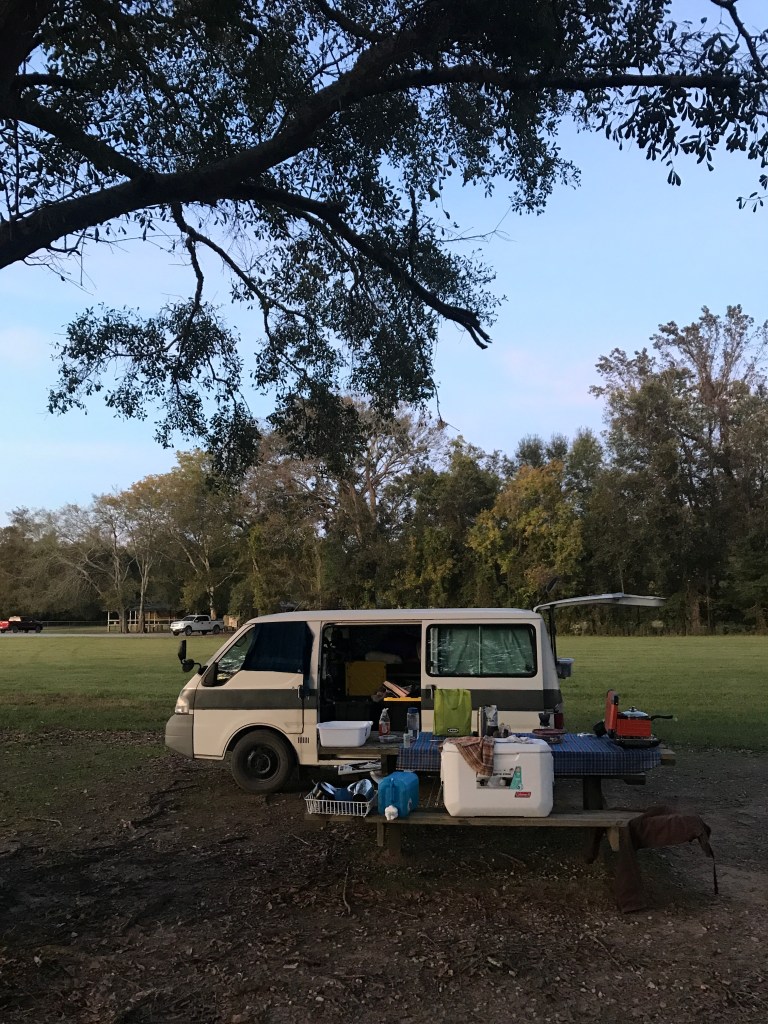
Sleeping was simple: I spent 95% of my nights in the van. It was perfectly comfortable if slightly cramped. I had an assortment of blankets and sleeping bags which allowed me to regulate the temperature well. A series of curtains I could put on and take off easily (thanks to my talented and crafty niece Jennie) gave me privacy and allowed me to slumber much better than I’d expected. I cooked my own meals around 75% of the time using my propane camp stove and a variety of pots and pans. A 70 litre Coleman cooler took care of refrigeration (bags of ice were easily had nearly everywhere, the Dollar General store getting most of my ice business). I stored dry goods and other ingredients in large plastic bins. With me I had my bicycle, hiking and walking gear, clothing, various containers for water, a 10 litre can of gas (in case I ran out, but I never did), tools, poles and tarp for rain and sun, a small foldout table, a lawn chair, several LED lanterns, dish washing basins and drying racks, electronics and maps.
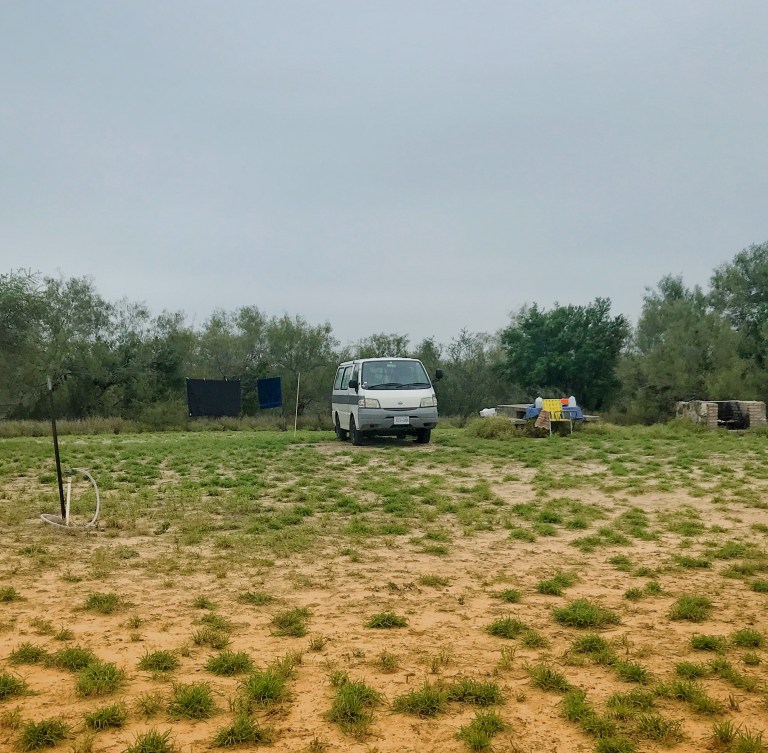
I slept in a wide variety of different places, from organized state campsites to Walmart parking lots. I estimate I paid for camping spots only around 20% of the time, usually when I needed access to a good shower or laundry facilities or there was nothing else nearby. At other times I found excellent free spots in Wilderness Areas, Fish and Wildlife Recreation Areas, Army Corps of Engineer sites, town campsites, Forestry Rest Areas, empty fields, abandoned industrial yards, riverbanks, and assorted store and restaurant parking lots. Not surprisingly there are apps to help you find them all, complete with updated feedback from users along with tips and tricks: where to shower nearby, where to get water, where to swim, how many nights you’re allowed to stay, the location of nearby laundromats and grocery stores…vagabonds might be hippies but they’ve embraced the internet.
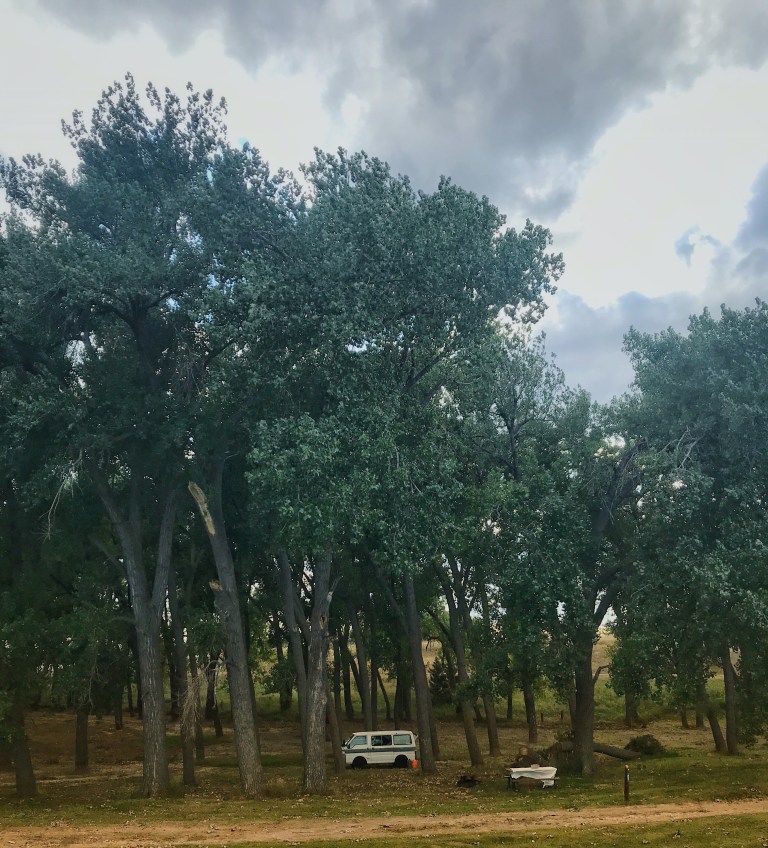
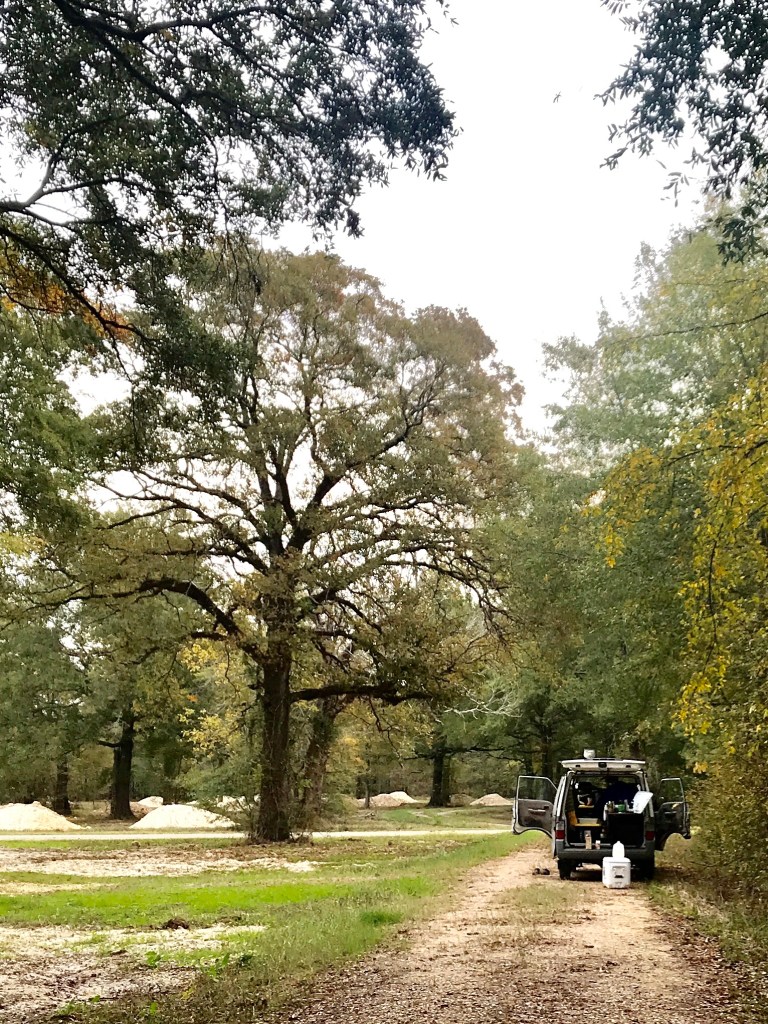
Some locations were close to towns and fairly organized, but others were isolated and primitive. Because I started my journey after the U.S. Labor Day when everyone was back to work and school most places I stayed were either very lightly populated or entirely vacant. On many occasions I found myself in beautiful wilderness settings sharing the peace and quiet with only one or two other campers, usually off in the distance at the other end of the camp. Many times I was completely alone in the woods while the roads, towns and people were miles away.
Before I left home I’d decided I’d sleep in a Walmart parking lot at least once. I knew a lot of overlanders do it – Walmart allows it – and to me it seemed very bohemian and delightfully redneck. My first try was in Bismarck, North Dakota where I met a large handful of other folks doing the same thing, some in large RVs, some in small campers and other in vans and cars; after that I was hooked! I stayed a half dozen times more in Walmart lots from Nebraska to Pennsylvania to Florida and I’m not ashamed to say I enjoyed it. At home I never go into a Walmart; I don’t particularly care for the stores but on the road I found myself buying ice or a dishcloth or a few groceries at night before bedding down or in the morning before setting off. There were always interesting people to chat with “on the tarmac”.
Many other retail outlets and public places allow overnight parking: Sam’s Club, Cracker Barrel, Casinos, Home Depot, Planet Fitness, movie theaters, churches, arenas and stadiums, Hooters (yes, Hooters and yes, I did stay in one), Bass Pro Shops, Cabela’s, highway rest stops, truck rest stops, some gas stations, and others. Occasionally you find “No Overnight Parking” signs, but in most cases the manager of nearly any sort of store or restaurant will give you permission if you ask nicely (and buy something). There are plenty of large parking lots in malls and subdivisions which are unofficially welcoming too. Mrs. Nakagawa is little and unassuming so I never had a problem. I preferred campsites in the woods and forests, but urban parking lots came in very handy now and then.
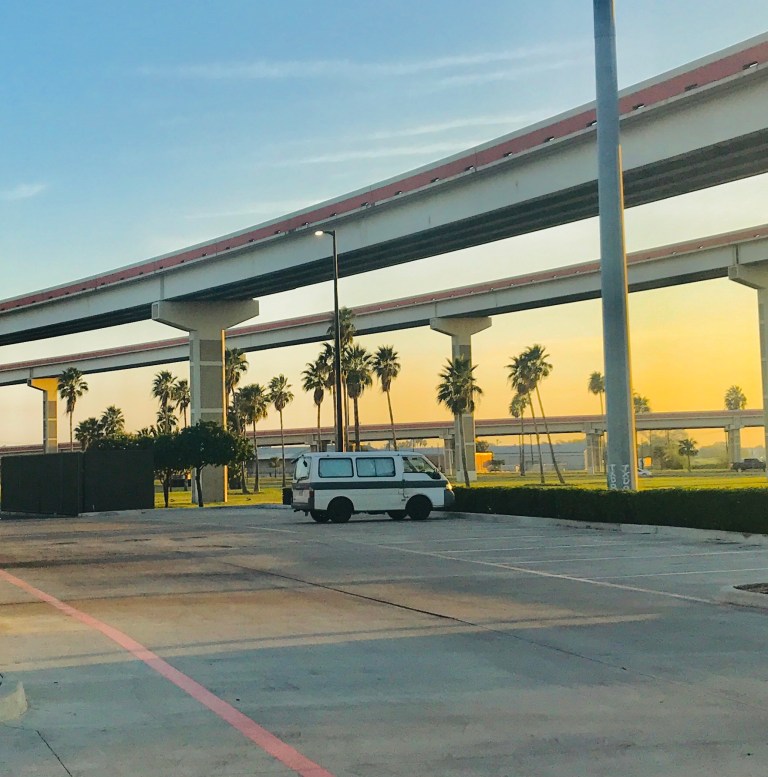
My normal daily modus operandi was to drive 3-5 hours after breakfast, stop for lunch someplace pretty and quiet, maybe go for a walk or a ride, then drive another hour or so to whichever spot I’d identified for the night. In the beginning of the trip the days were light until well after 9:00 p.m. so I could set up camp then go for a ride or a hike or a walk, explore the area or nearby town and sit out with a cold beer to watch the light fade to dark.
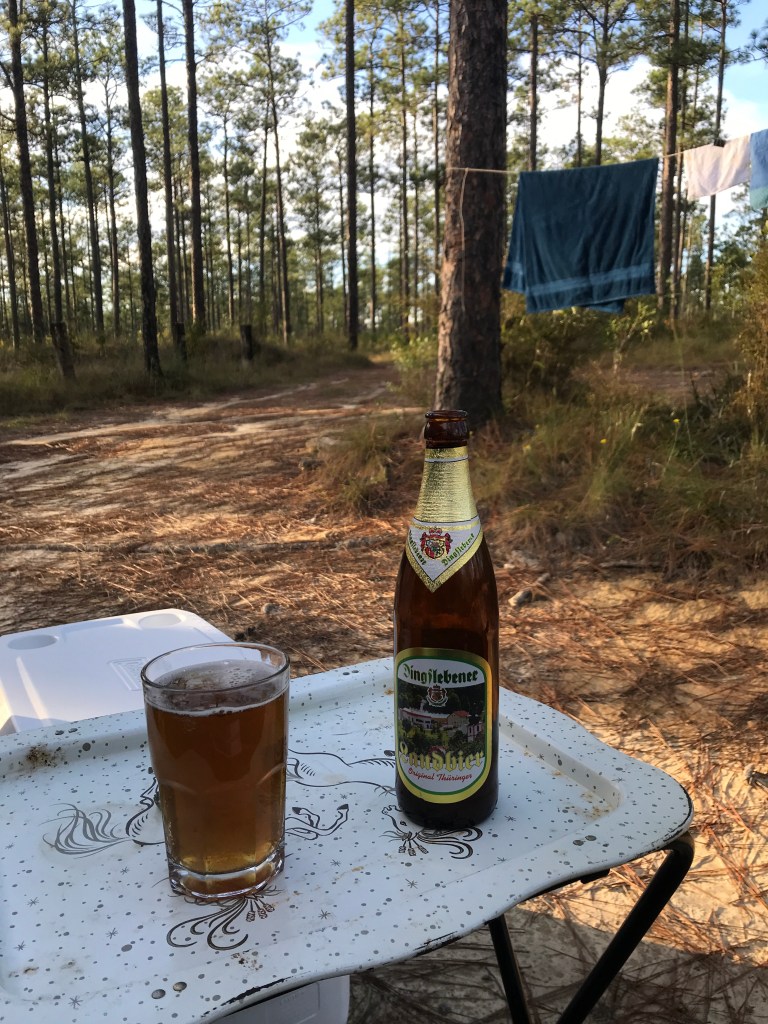
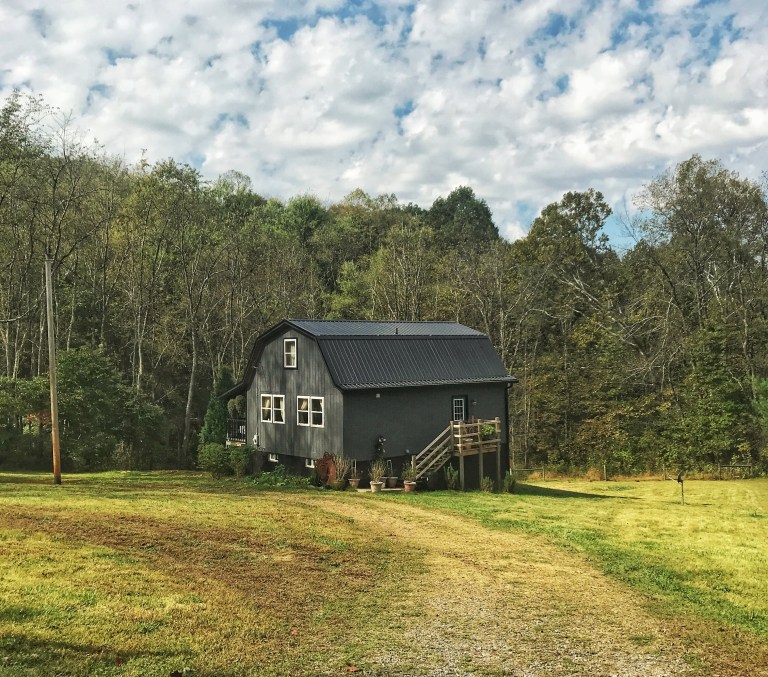
After I found a good place to stay for the night I’d take out my gear and set-up camp (assuming I was in an actual camp spot and not a parking lot, of course). Campsites I made were comfy: tablecloth and candle, a string of little twinkly battery powered LED lights, my Bluetooth speaker for music, lawn chair and table and cooler, books and newspapers, camp stove and dishes. I’d then proceed with the evening’s festivities which normally consisted of eating, drinking a few cold beers or wine, listening to music, eating peanuts, looking at maps and solving the world’s problems. There seemed to be fewer problems to solve as the trip wound on.
Highlights
By far the biggest highlight of the trip was the freedom that came with drifting from place to place with no fixed itinerary and no pressure to organize transportation, food, or accommodation. I had only the roughest of routes in mind which allowed me to change direction, slow down or speed up whenever I liked. It’s hard to overstate the positive spirit and happiness that sort of travel gives you, and I was grateful and aware of it everyday.
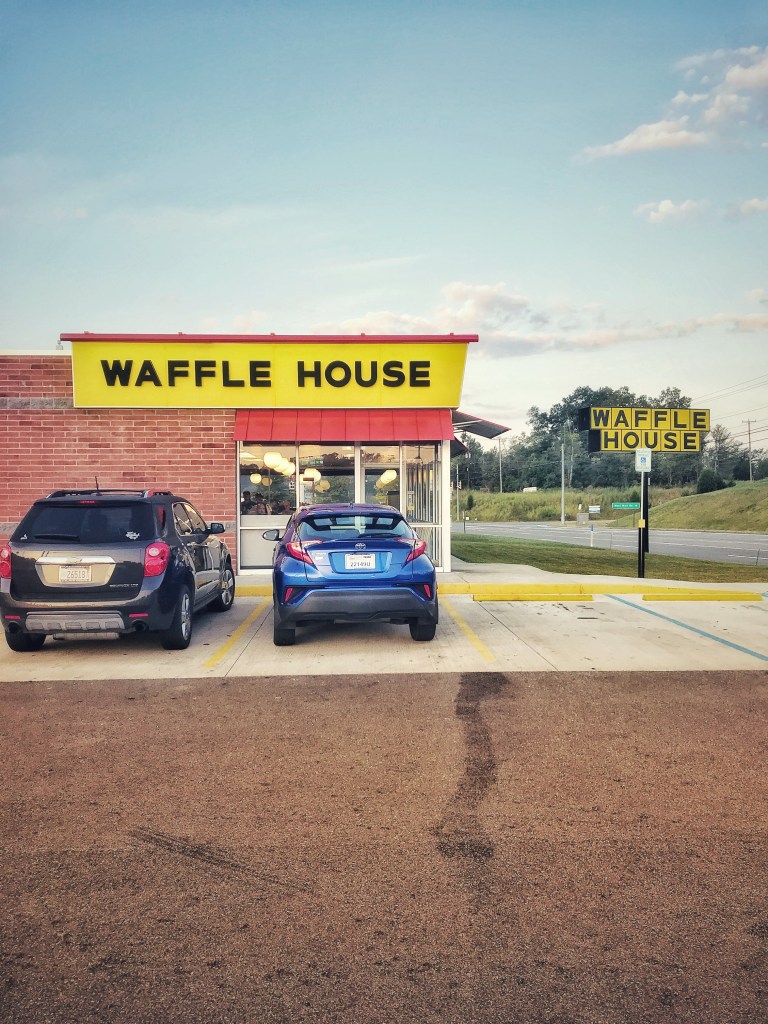
The other highlight was all the time I got to spend outside. Other than driving and sleeping in the van, or visiting a coffee shop or museum or bar, I spent all my time outside, sitting in my lawn chair drinking beer, reading my book or a newspaper, listening to music and wandering around. I hiked, road my bike, walked around towns and picnic’d alongside rivers and fields. I felt free and very in touch with my natural environment.
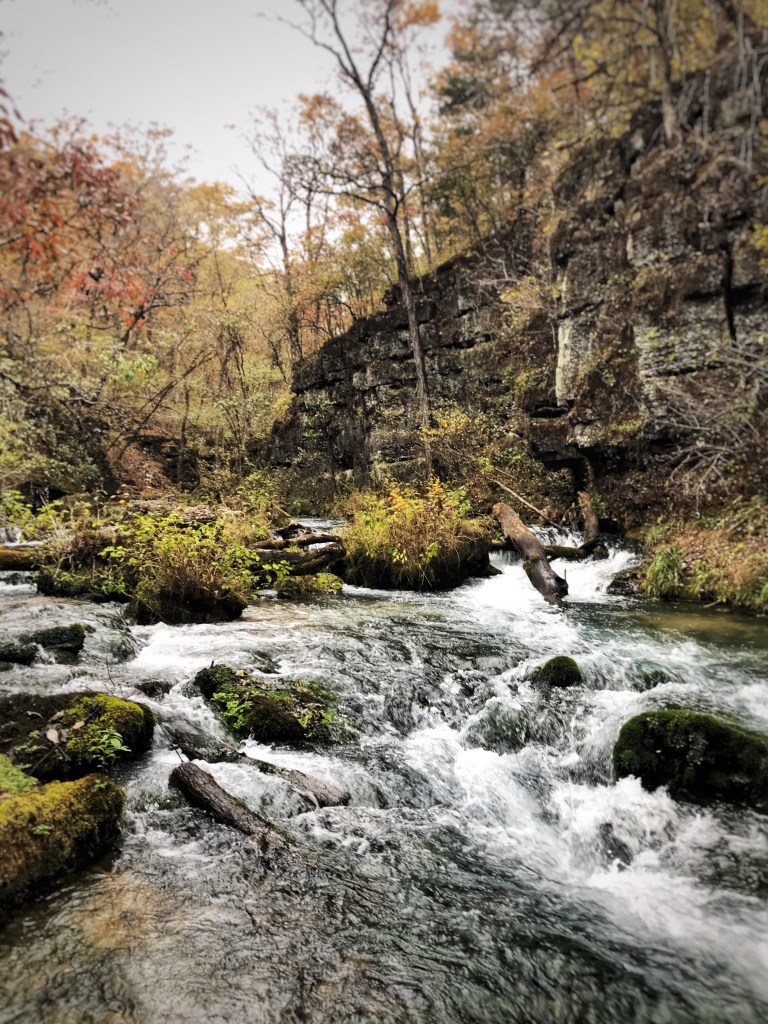
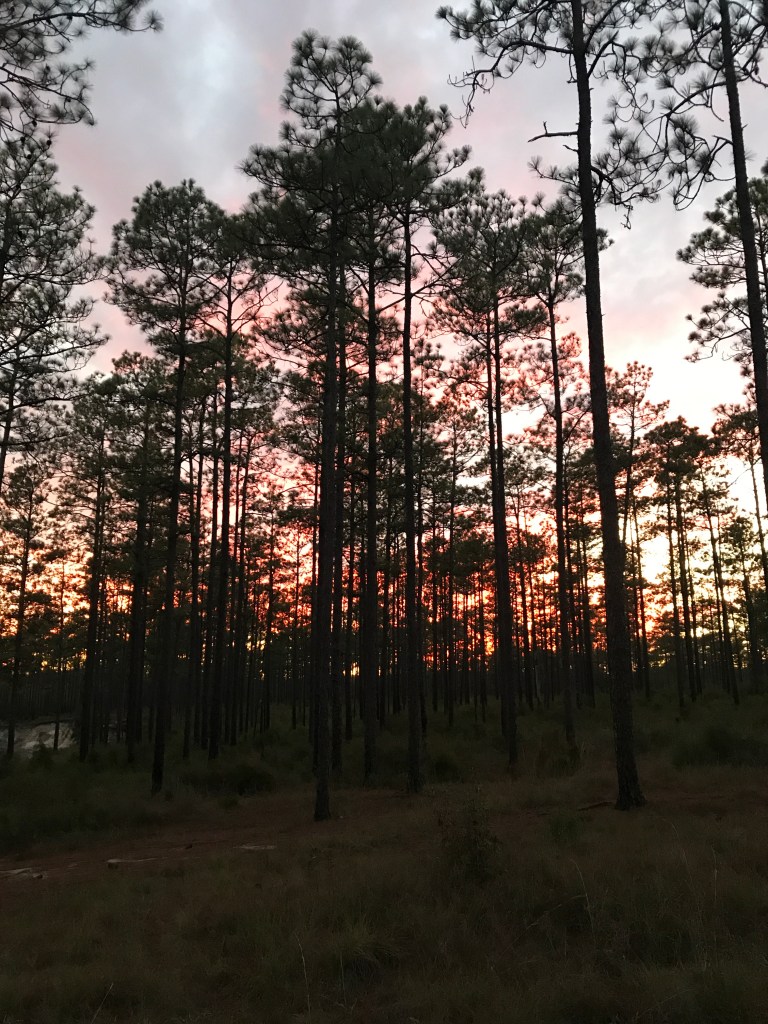
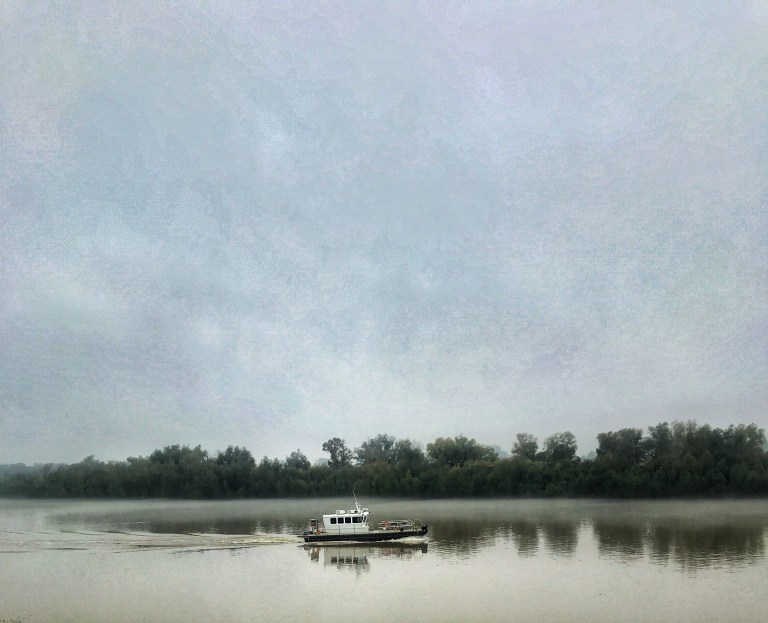
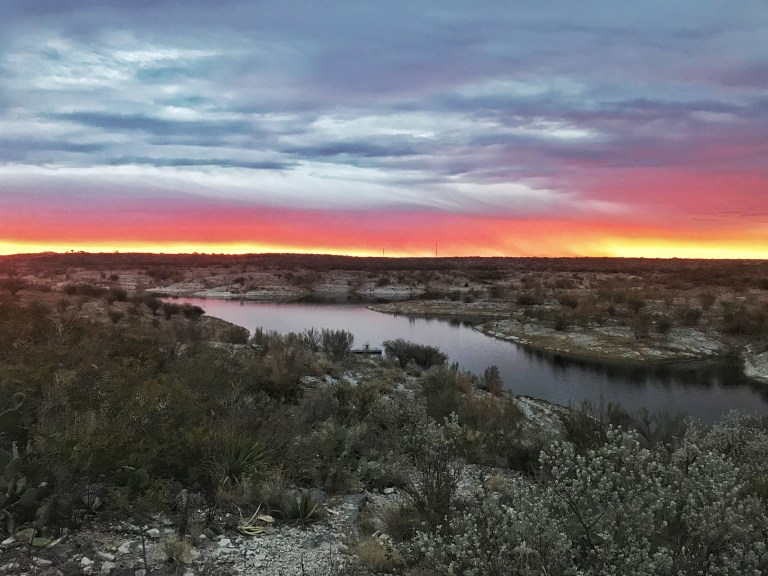
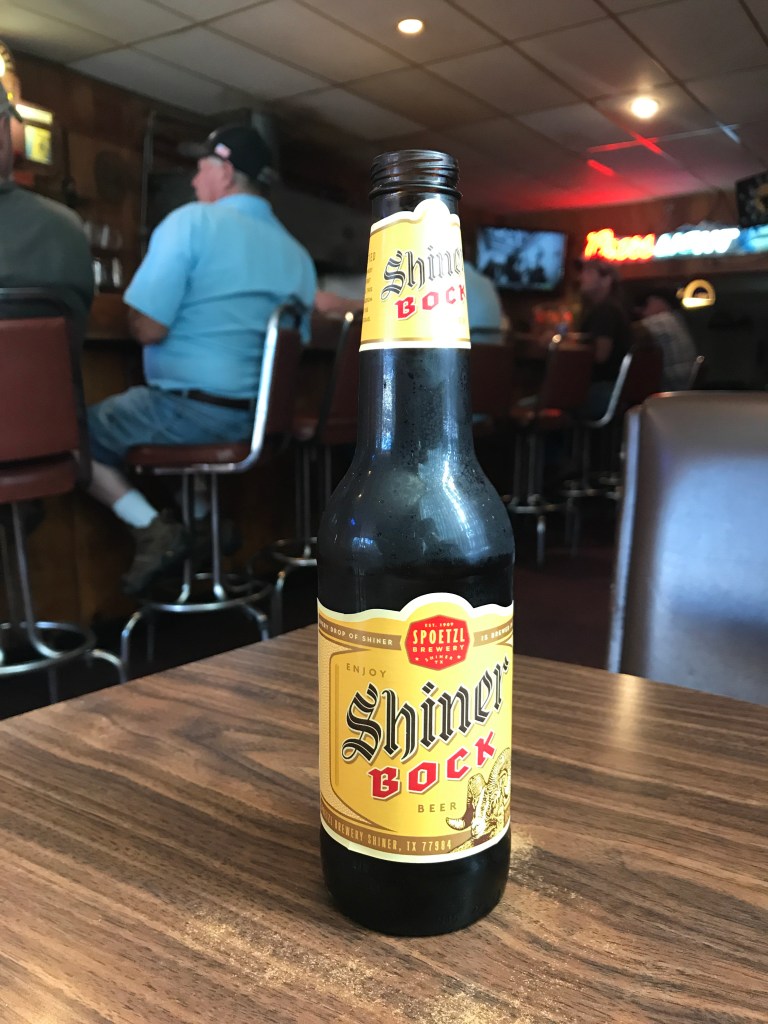
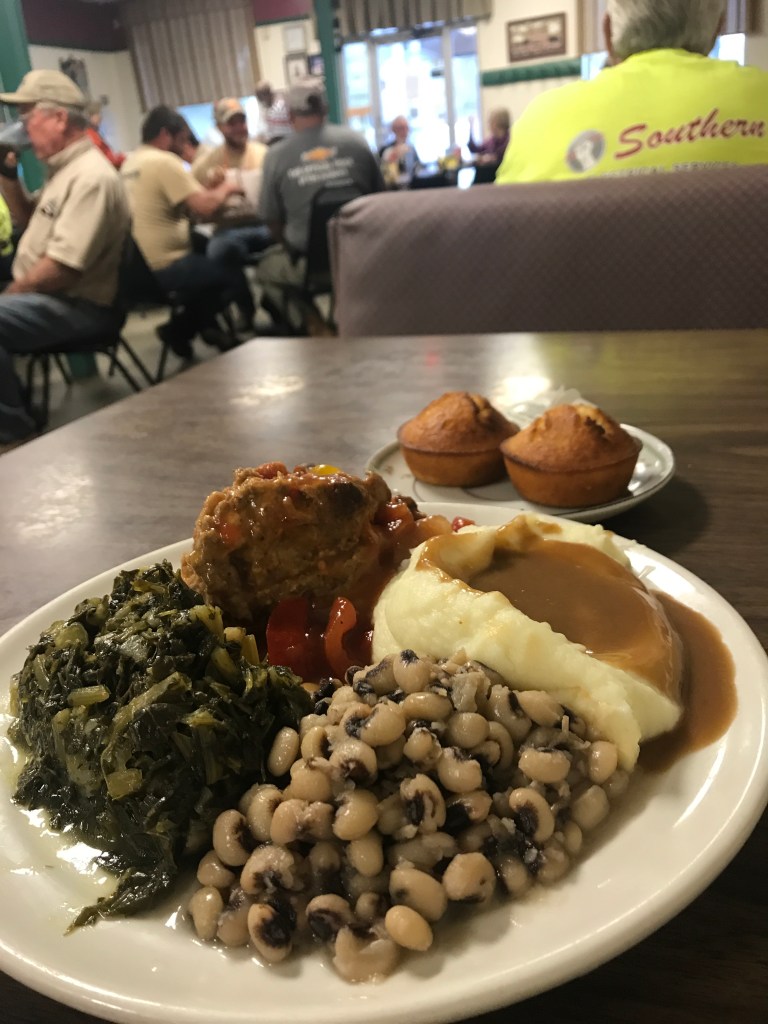
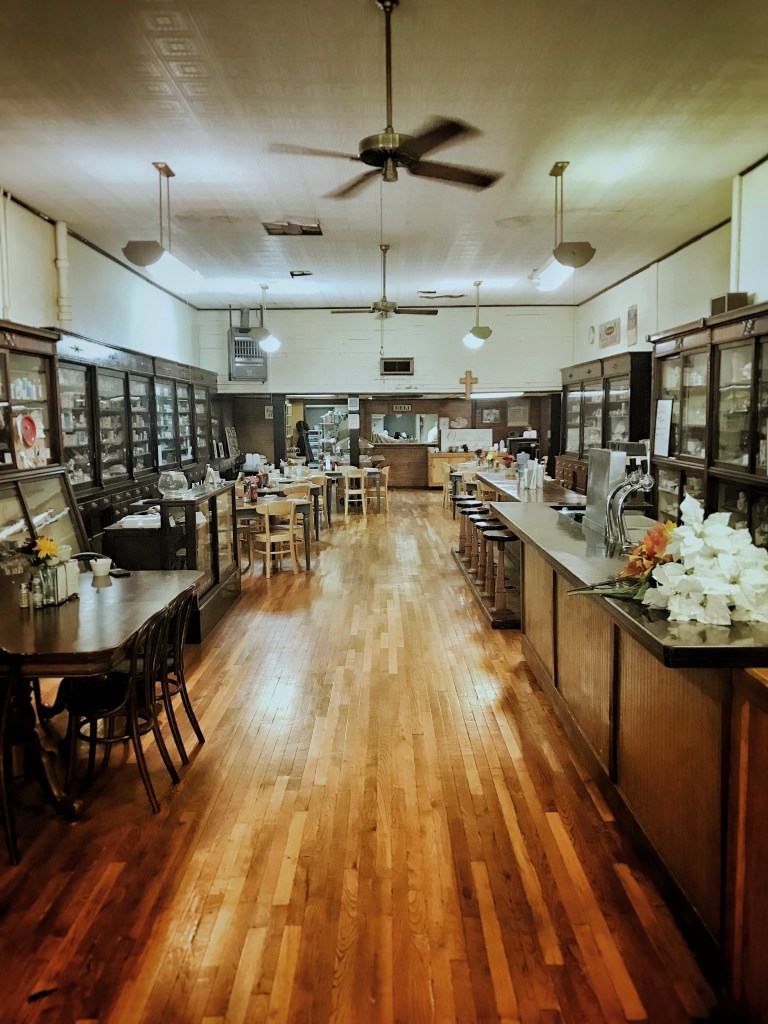
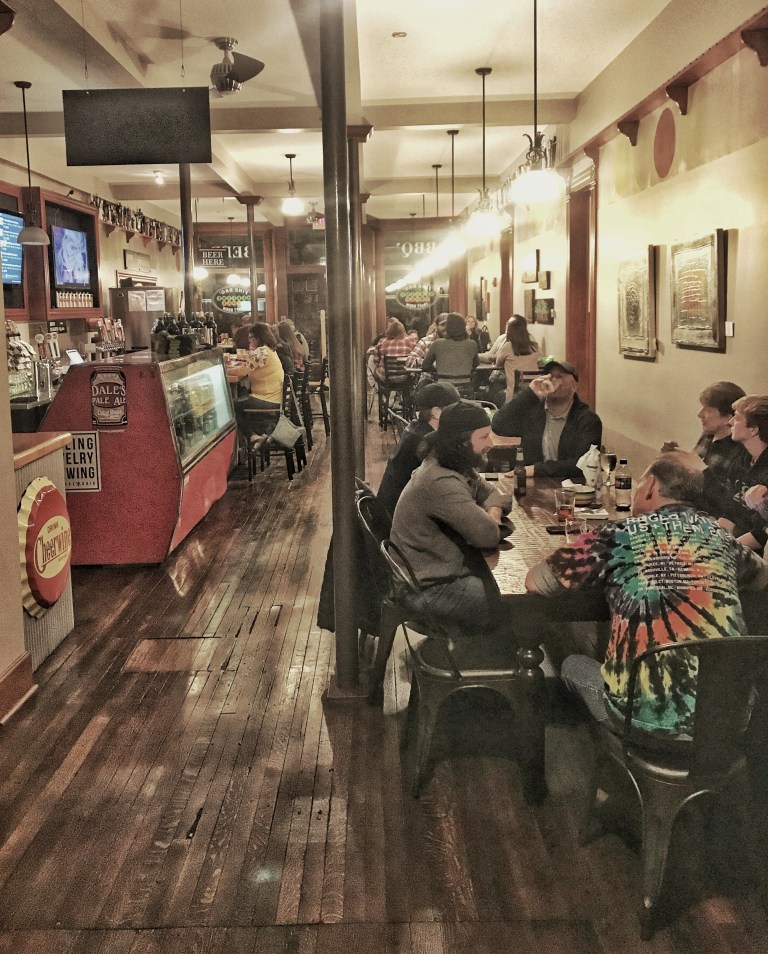
I spent the odd day or two in big cities as well. I especially enjoyed Pittsburgh with its interesting history, beautiful bridges, excellent brew pubs and classy parks and plazas. A long afternoon in Detroit was fascinating. I visited three Presidential libraries and museums: the Eisenhower museum in Abilene, Kansas, the Lincoln museum in Springfield, Illinois, and the Clinton museum in Little Rock, Arkansas.
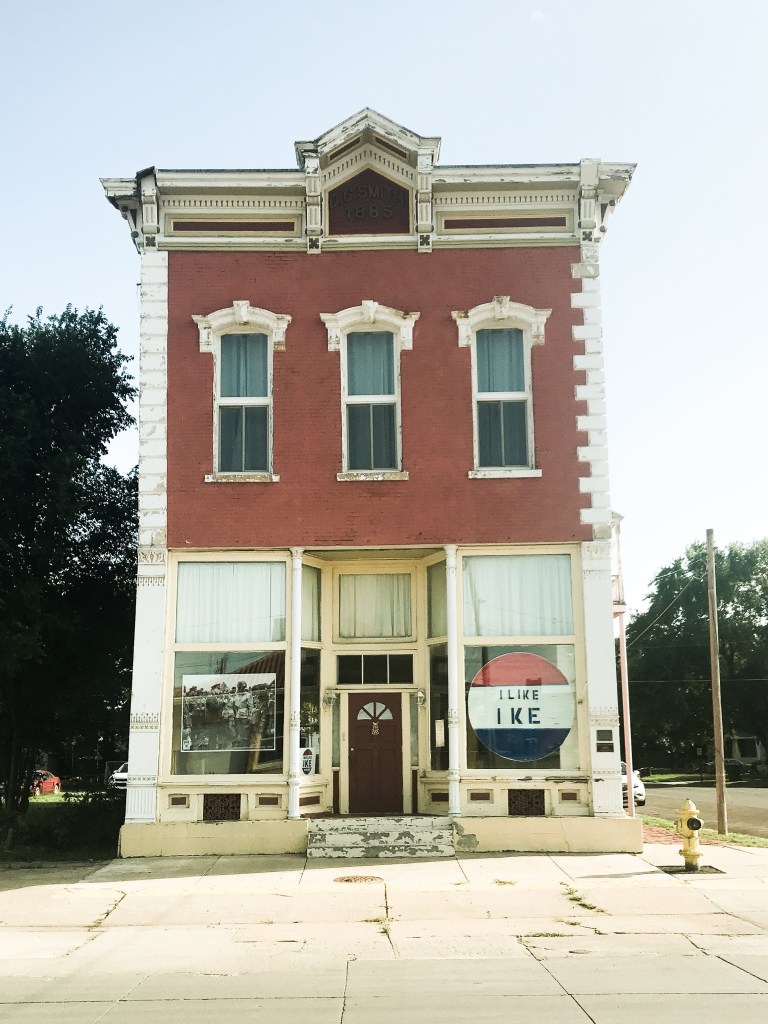
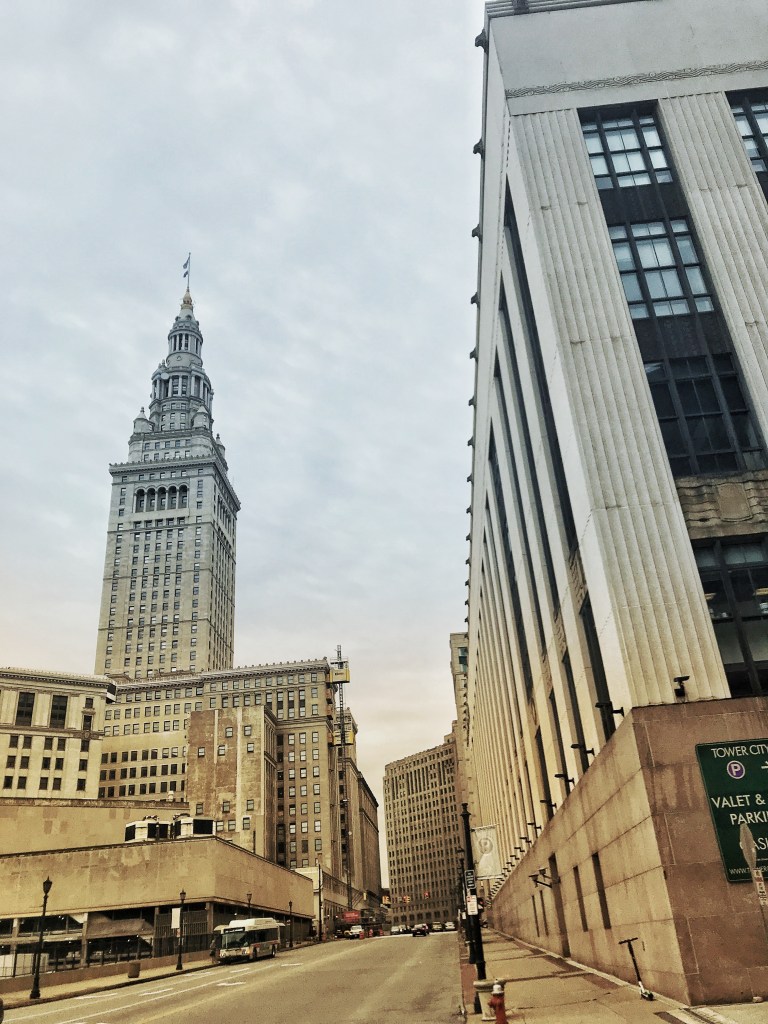
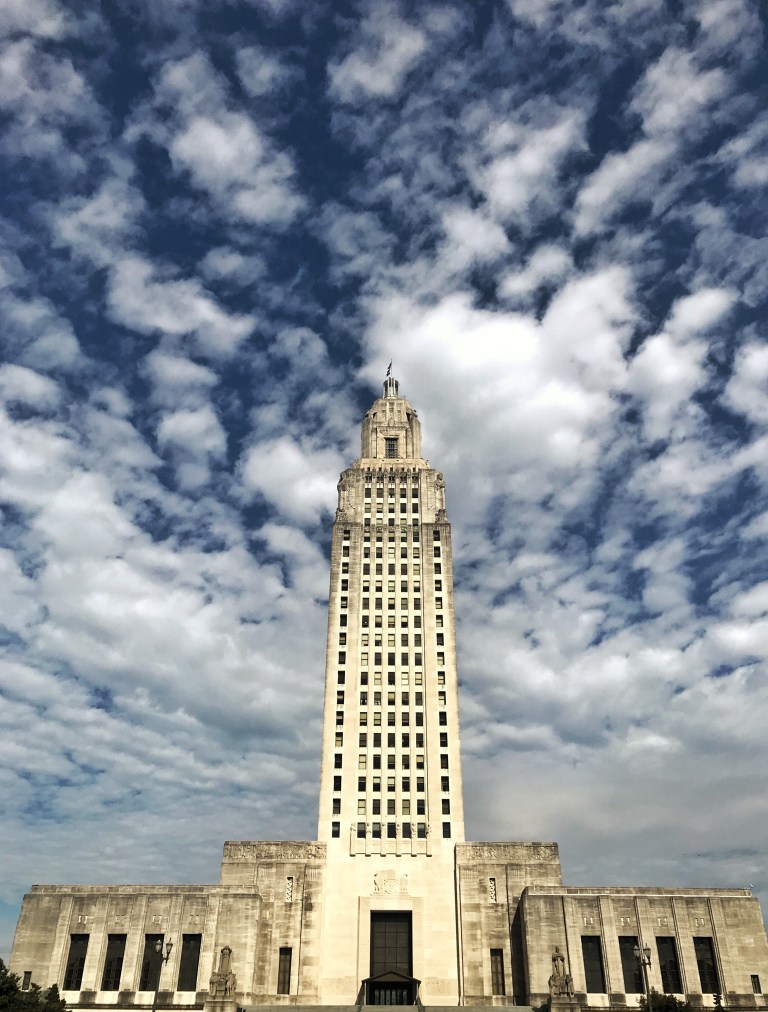
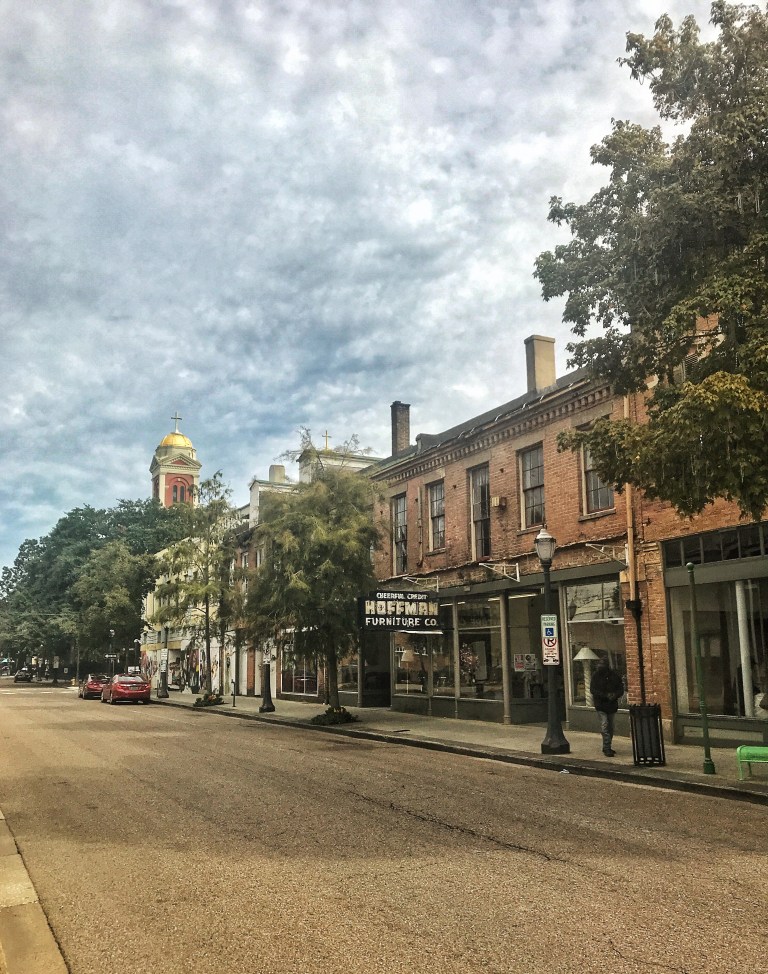
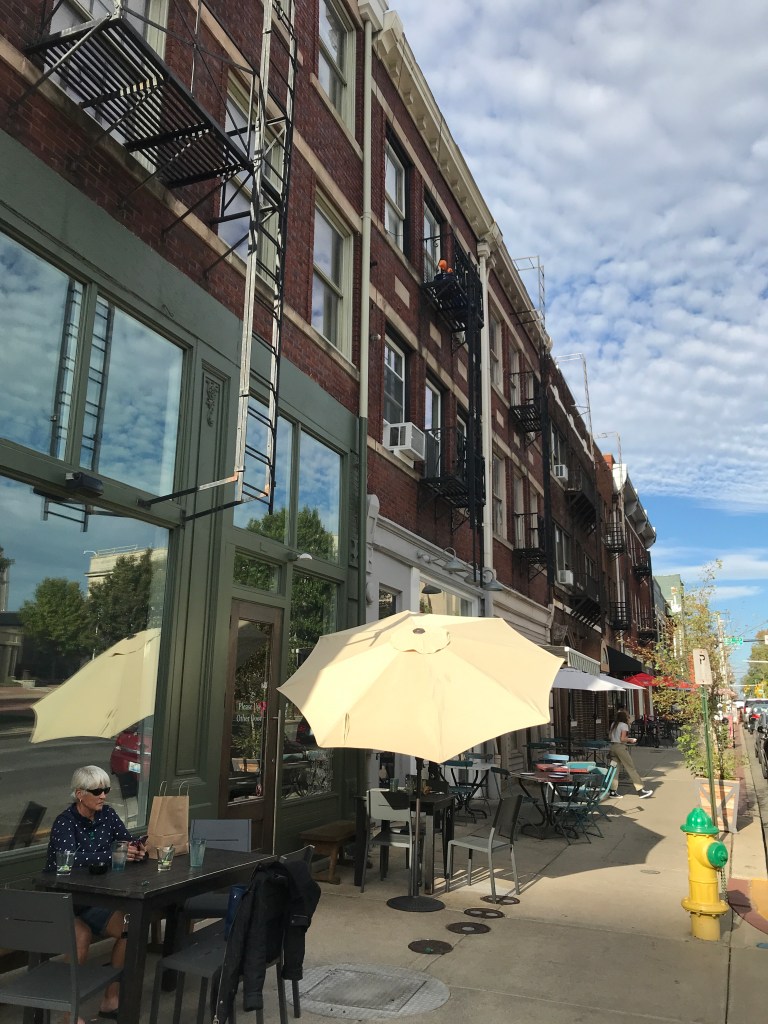
I’m interested in the American civil war, and all throughout the south there are historic battle sites and road markers. Selma and Montgomery, Alabama, have outstanding museums dedicated to the civil rights and voter registration struggles, and mostly all of Texas is peppered with reminders of the Mexican presence in what’s now the United States. The U.S. might not be as exotic on the outside as India or Tanzania or Japan, and – say what you like about the Americans – but man do they do museums and history and monuments well. Many of the towns, especially in the south, are beautifully well preserved, tidy and welcoming.
U.S./Mexico Border
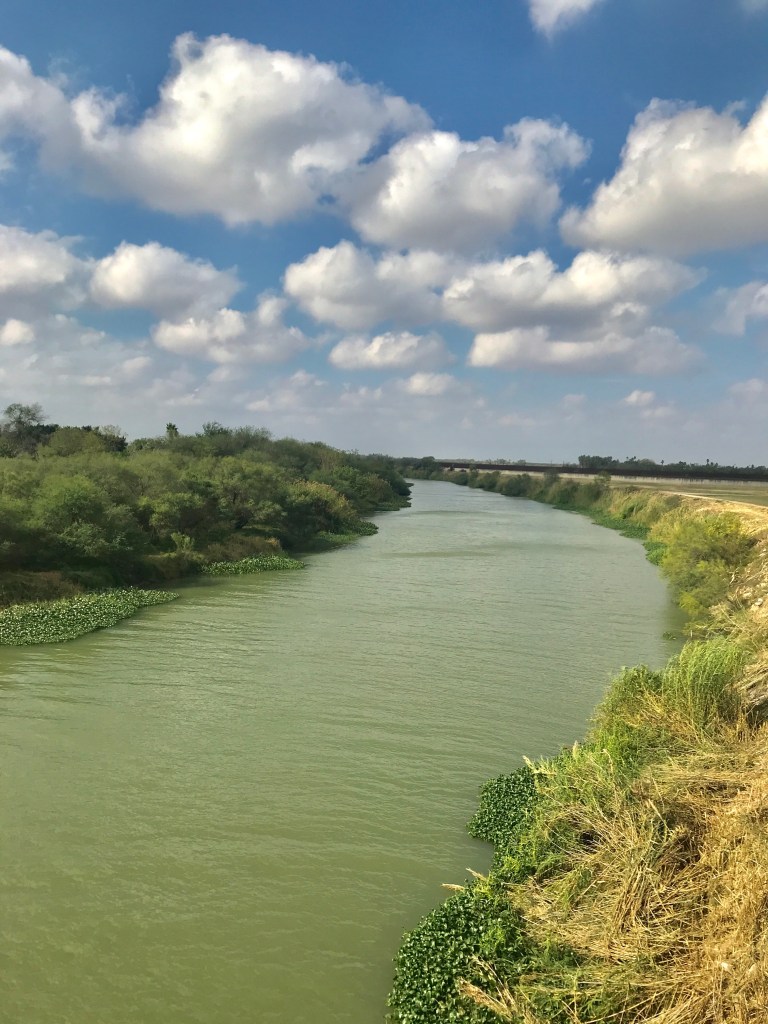
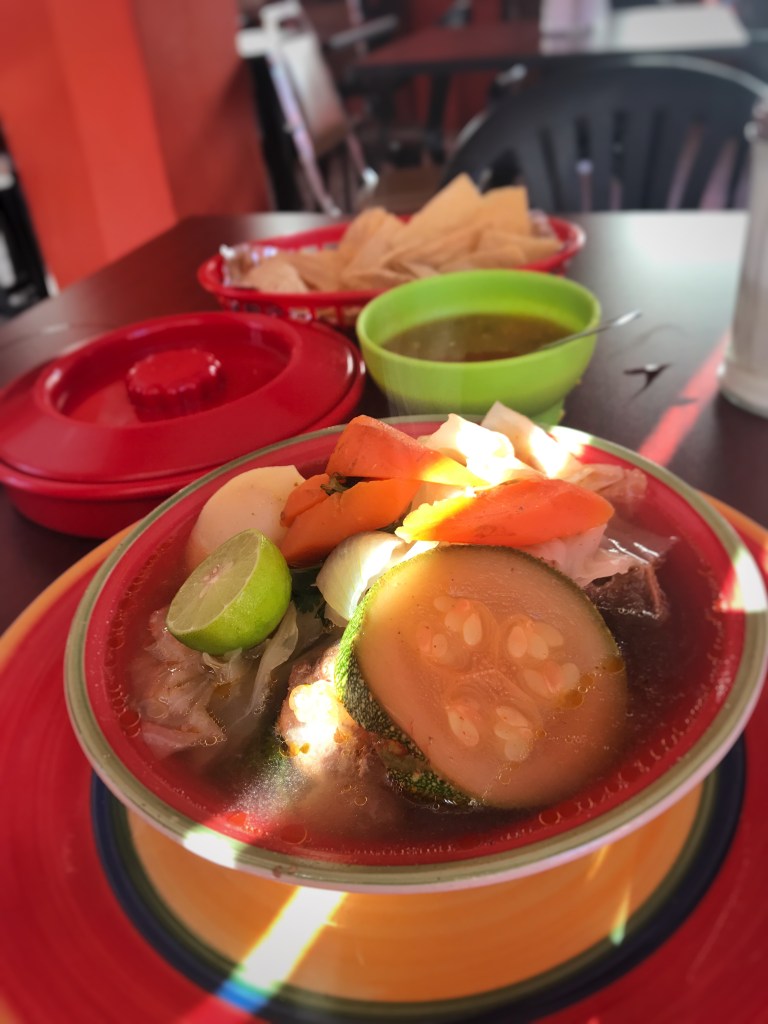
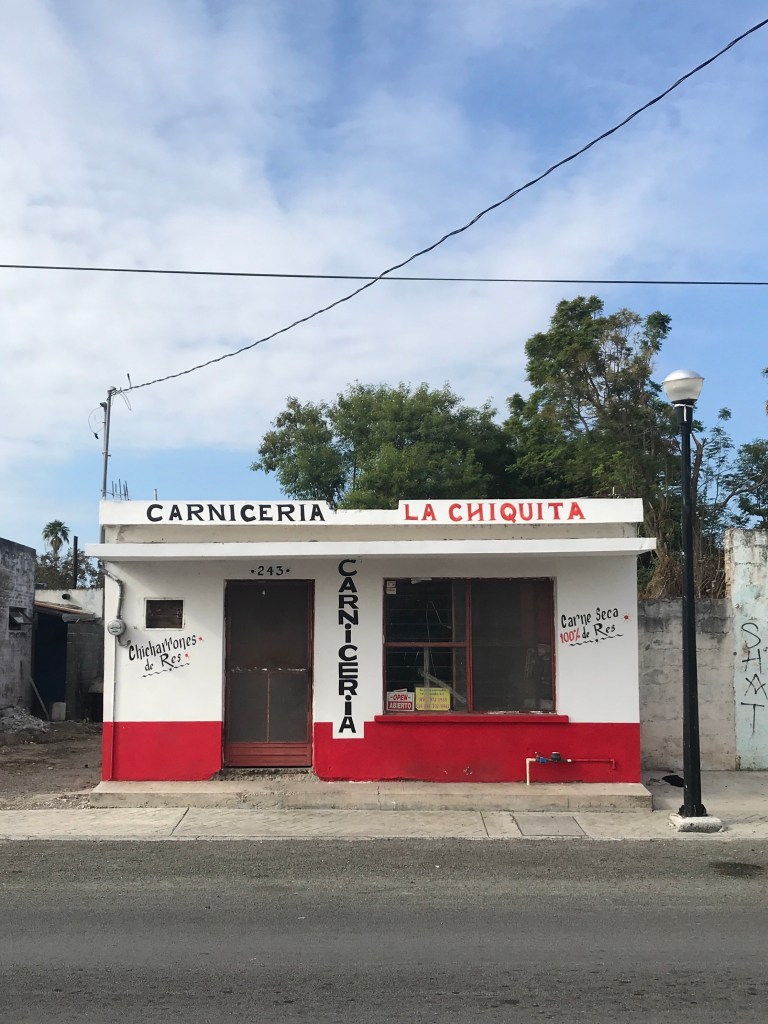
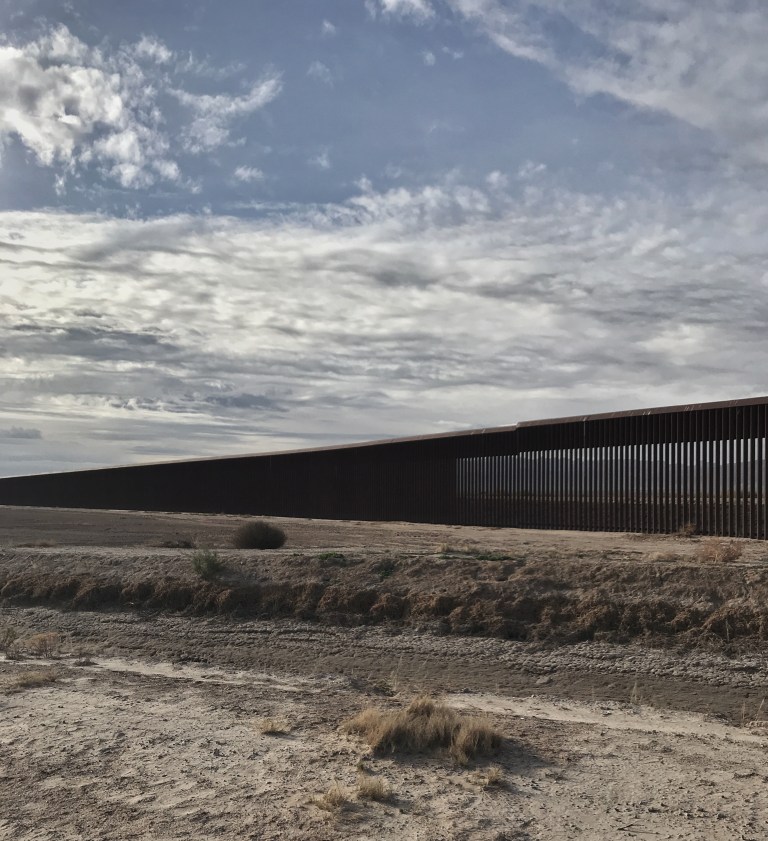
The counties in Texas along the border with Mexico are very interesting, mainly because of all the cross-border activity and Mexican flavor and heritage. There’s a near constant flow of vehicle and pedestrian traffic over the bridges across the Rio Grande. I crossed myself four times, on foot, one of many making the short walk to el otro lado, “the other side”. On the Texas side you see Mexican license plates from the states of Nuevo Leon, Tamaulipas, Chihuahua and Coahuila; on the Mexican side you see plates from Texas. I crossed over from Texas into Nuevo Progreso (Tamaulipas), Ciudad Miguel Alemán (Tamaulipas), Piedras Negras (Coahuila), and Mexicali (Baja California). You get the idea that people live on both sides at the same time
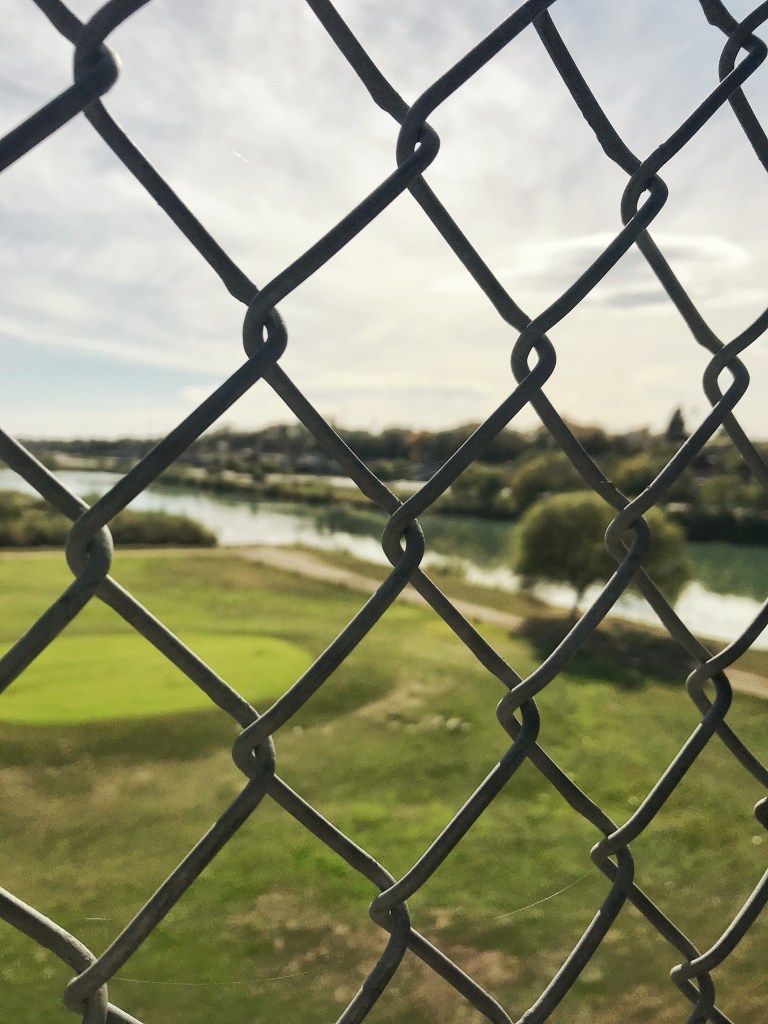
I talked with a high school girl in a restaurant in Roma, Texas. She lived with family members in Texas where she studied and worked part time in a Mexican restaurant. On weekends she walked across to Ciudad Miguel Alemán in the state of Tamaulipas to work in her family’s store. I met several people with a similar story. I’d been to Miguel Alemán that morning and had enjoyed wandering around the little town and eating lunch in a taco restaurant. It’s a dusty, fairly ugly town but was bustling with people and commerce and nicely normally Mexican. People were pleasant and courteous, and besides the occasional look no one paid me any attention.
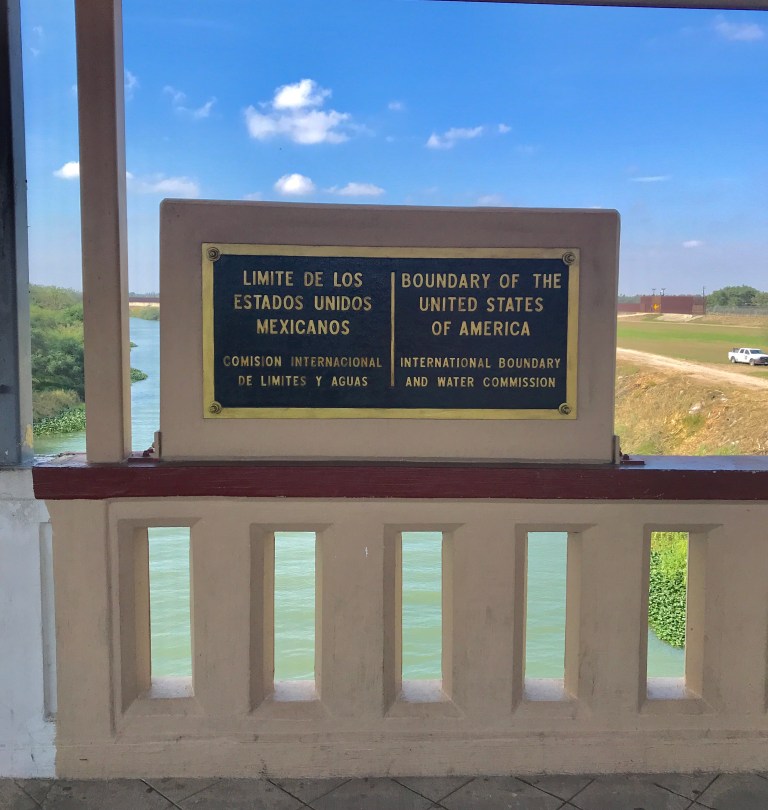
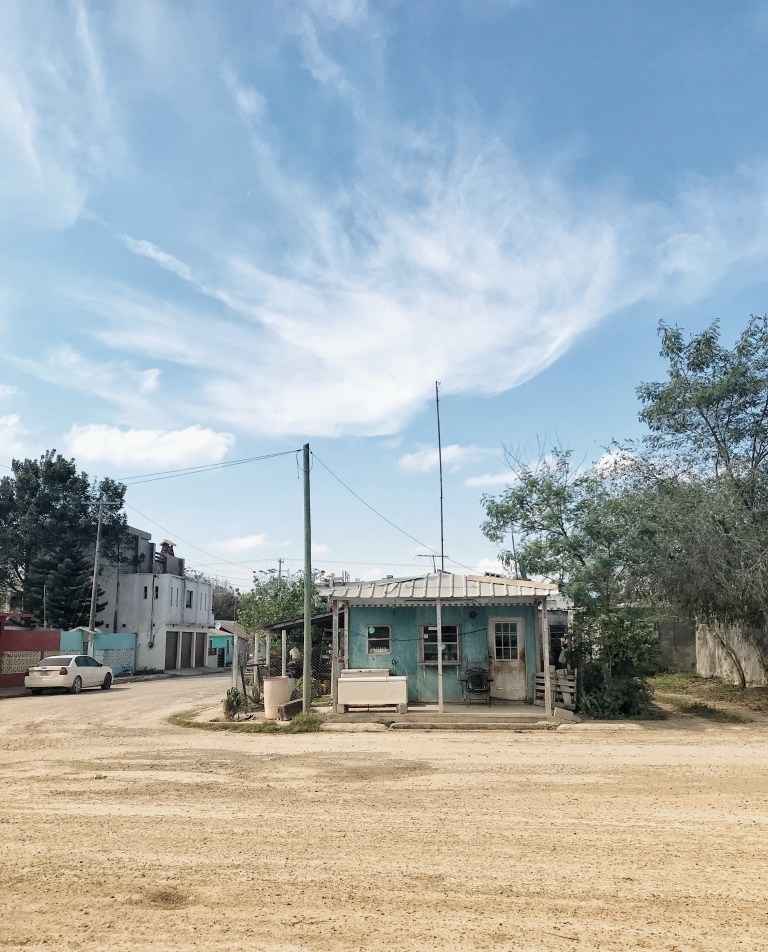
Walking across any of the bridges takes about 10 minutes. There are no formalities to enter Mexico, you just walk over the bridge and into the towns. Getting back in to Texas requires a show of a passport or I.D. card but the process is very quick. On both sides of the bridge you see people carrying little baskets of this and that, used car parts, electronics, vegetables, alcohol, clothing and bags and suitcases. No one seems hurried, no one seems bothered or concerned or nervous in any way whatsoever. As far as I could tell every single person crossing was Latino, all the immigration officials were Latino, everyone was speaking Spanish. There was no tourism and no sightseeing, no beaches or colonial sights, essentially just one large community dribbled for miles across both sides of an international border. Even on the Texas side the culture is mostly Mexican. Everyone speaks Spanish, signs are in Spanish, the vast majority of restaurants offer Mexican food and the supermarkets sell Mexican goods and ingredients. It was really interesting and I was surprised at how NOT divided the border really is.
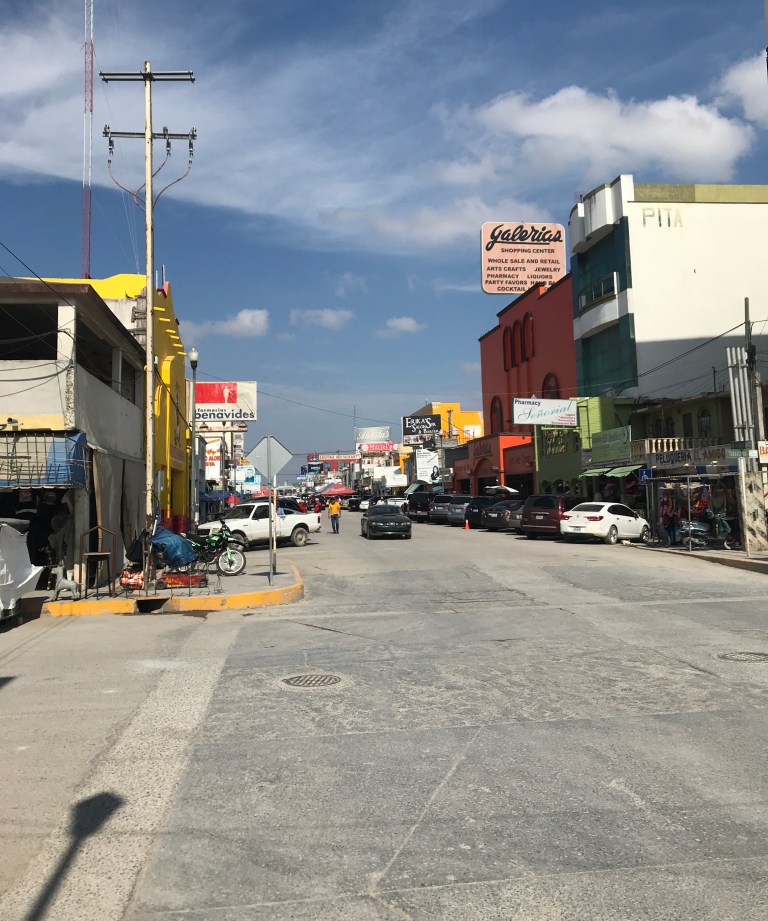
Nuevo Progreso was the worst place, just a purpose built collection of streets filled with dentist offices and pharmacies. Americans cross to get fillings and buy cheap drugs. There’s not much in the way of a town or personality or sites or even much that’s very Mexican. Mexicali was the most interesting. It’s fairly rough and dirty but it’s the most normal and everyday of the border towns I visited, with regular Mexican shops and buildings and people going about their day. I had an excellent lunch at a busy local restaurant: tacos de machaca and a Coke.
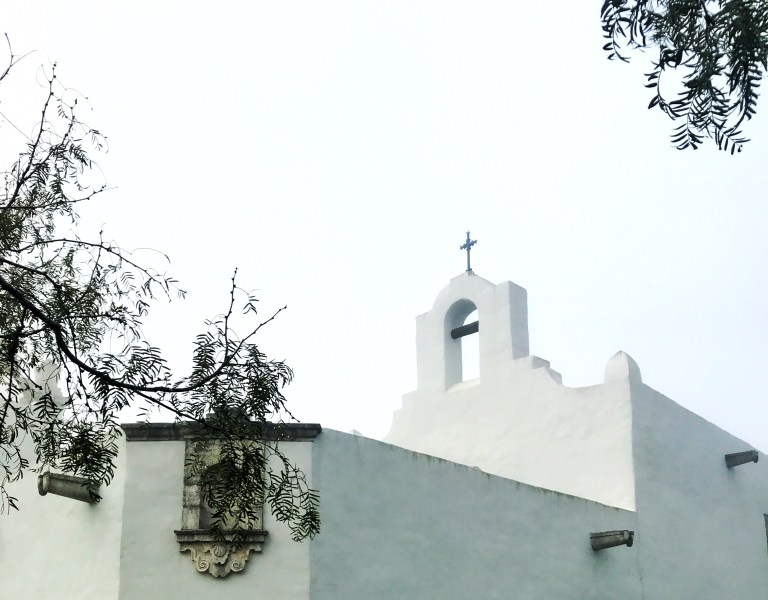
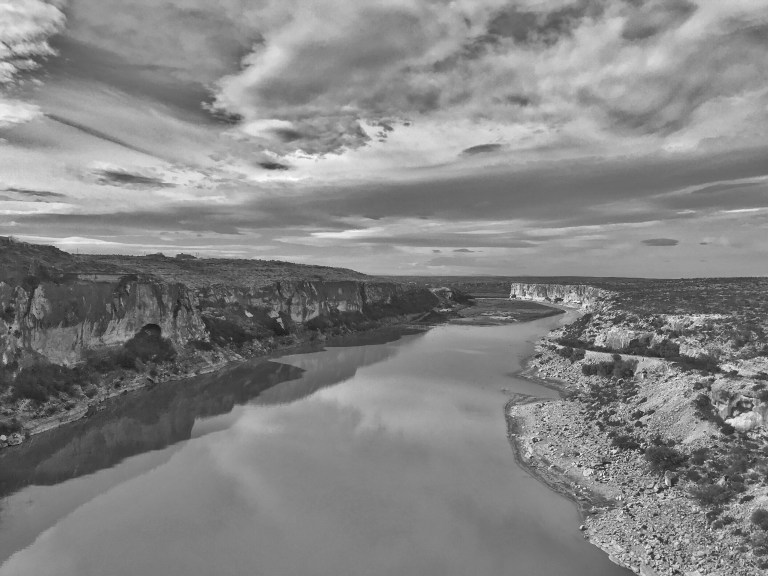
It’s a fascinating area and I’m already looking forward to visiting again, spending more time skirting the border through the deserts and dry scrubby canyon lands, walking over the bridges and meeting the locals.
The Forests and hills of West Virginia
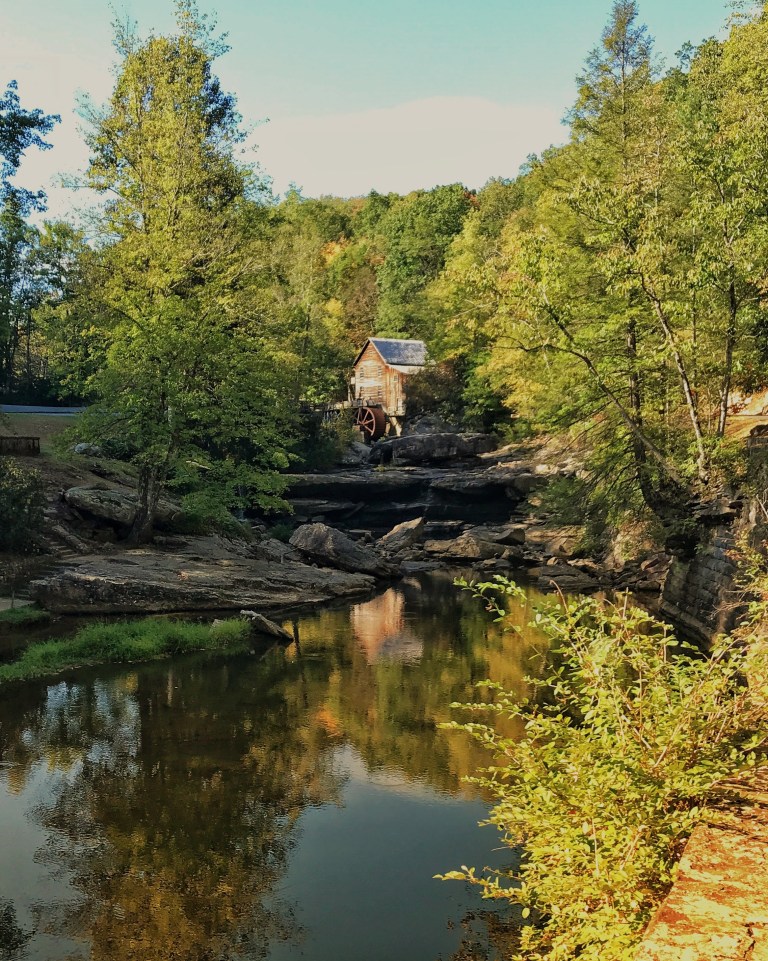
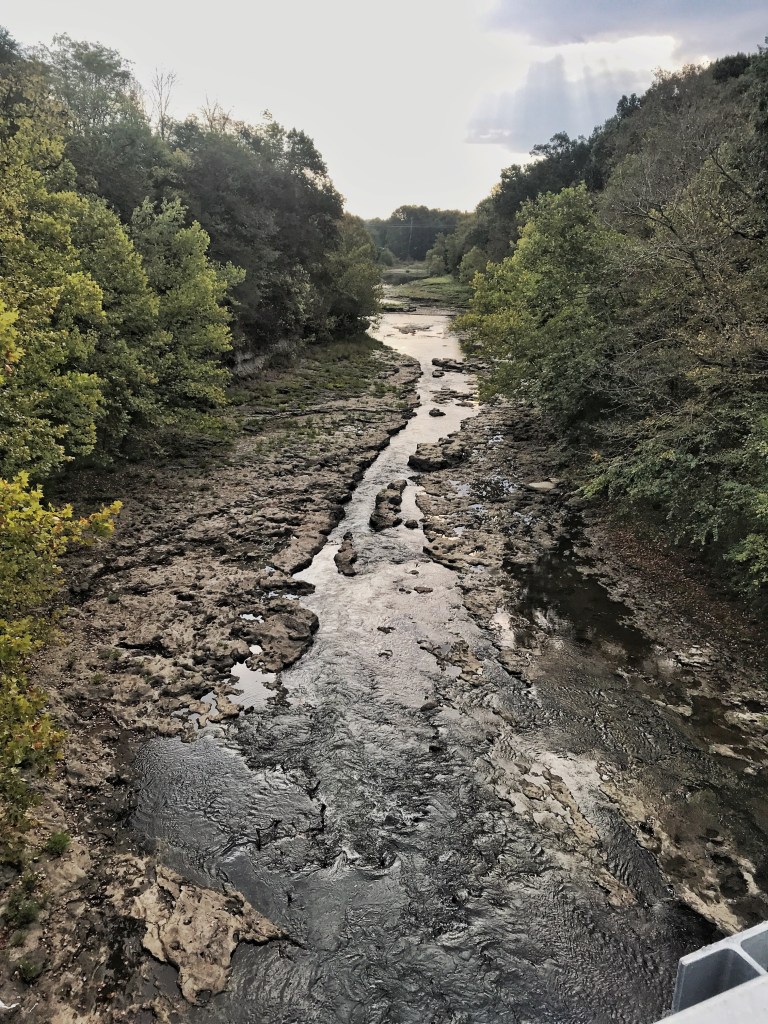
It was my first time through West Virginia, a fantastically beautiful hilly place with pretty small towns and friendly people who speak with a textbook Appalachian twang. There are only 1.8 million people in the entire state. It’s predominantly rural with endless small winding roads and leafy forests. There’s very little flat which makes for some excellent and challenging cycling and walking.
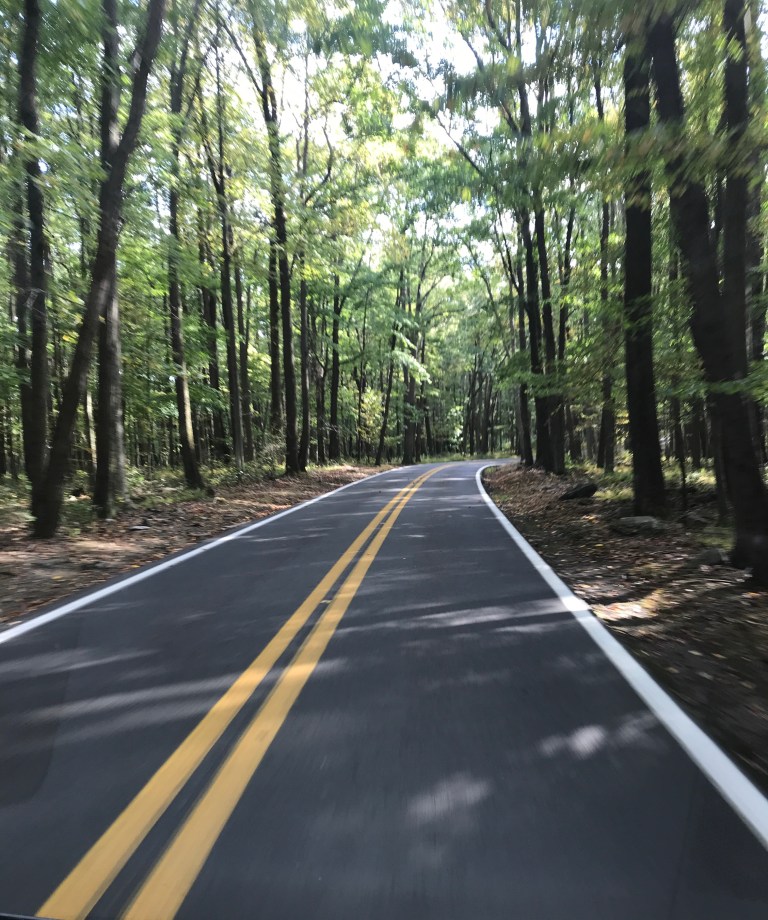
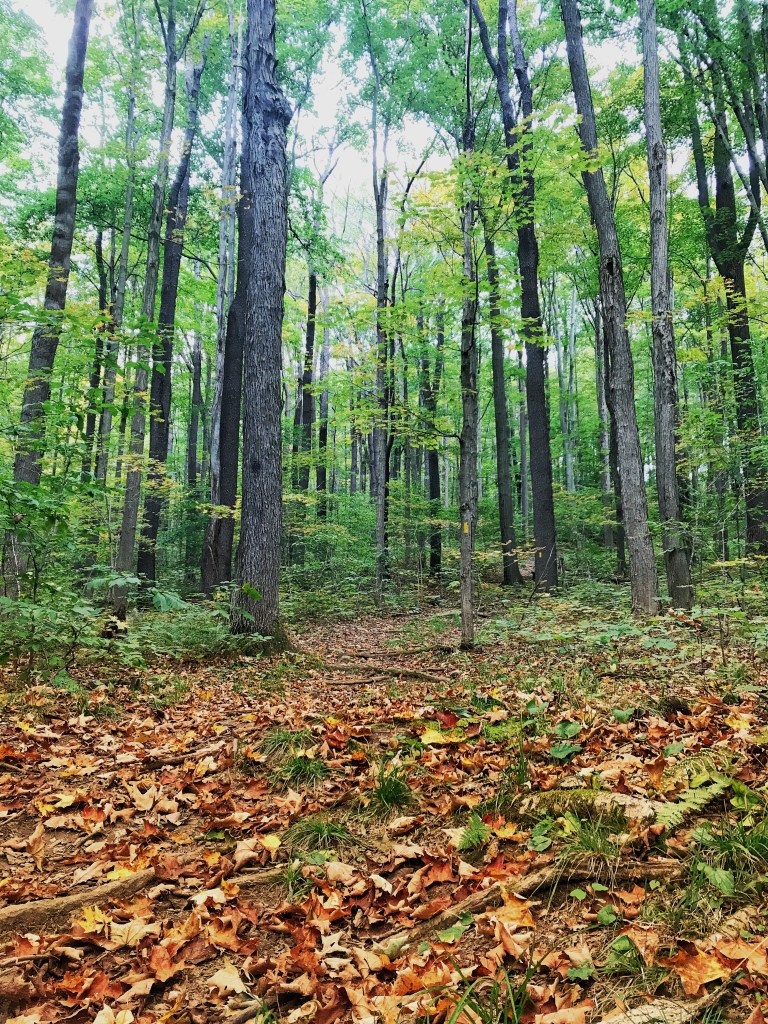
People were very friendly to me, a little more open than the slightly suspicious rural residents of neighboring Kentucky and Ohio. I found some fantastic places to sleep, primitive campsites deep in the forests. There were very few people around anywhere really, making the state seem especially quiet and empty. There are endless hiking and camping options in West Virginia, so it’s definitely on the list of places I’d like to visit again.
Southern Alabama and Mississippi/northern Florida
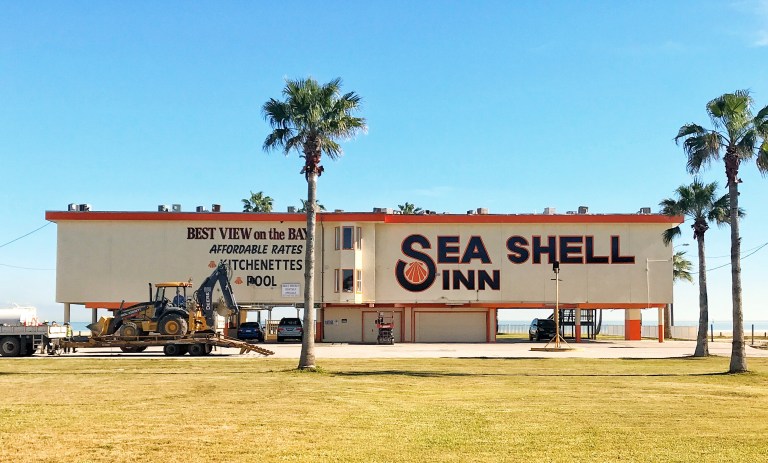
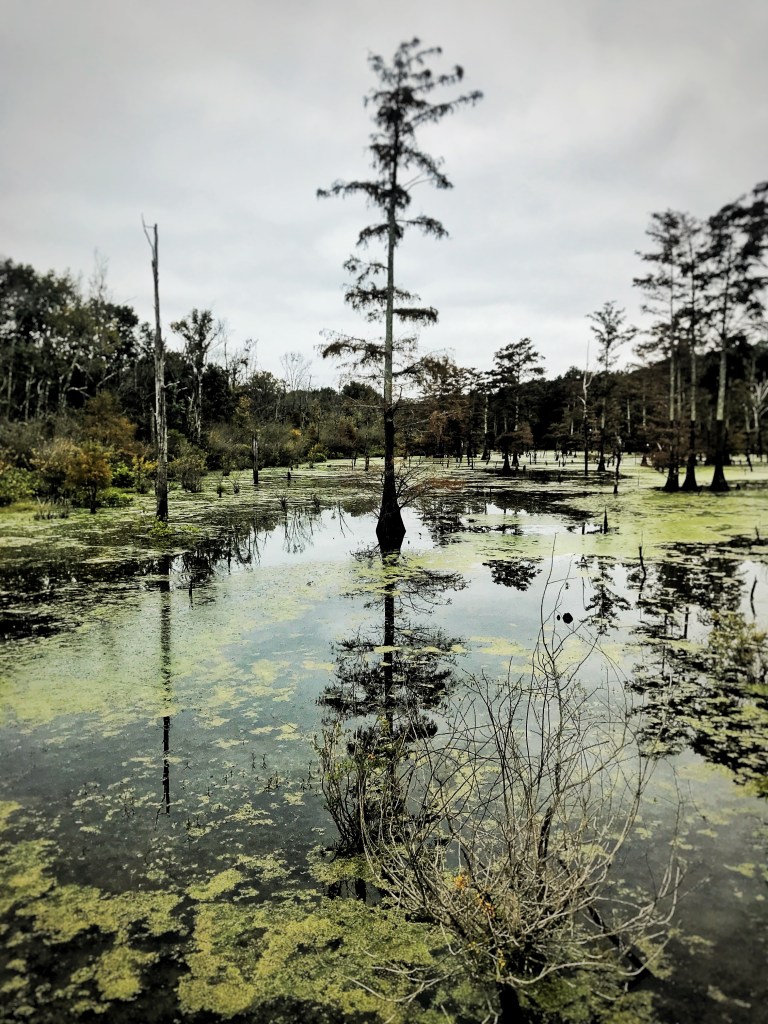
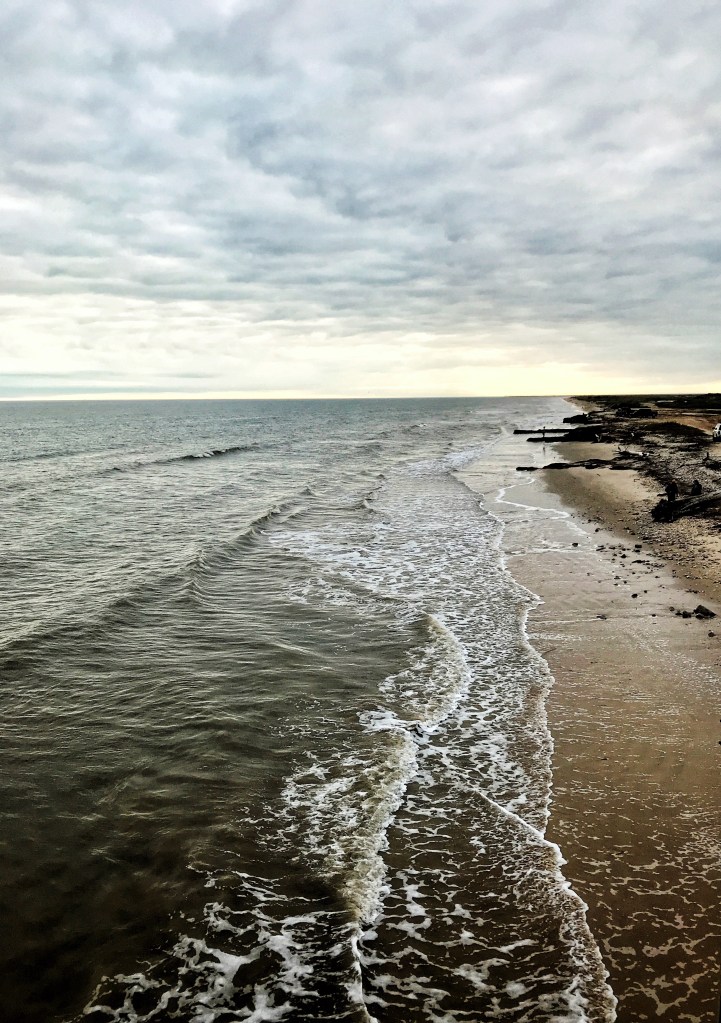
Alabama and Mississippi both have modest stretches of coastal land on the Gulf of Mexico, and Florida has a lot of coastal real estate. Alabama’s claim is extremely modest with only 112 kilometers (70 miles) of coast. Mississippi has slightly more, but in both states the difference between the Gulf coast and the interior is shocking. North and central Alabama and Mississippi are quite heavily forested and agricultural in equal measure. The towns are unassuming and simple and much of the countryside has a solid monotony about it. The coast is essentially one long road plastered with vacation properties, bars, and casinos. It’s not as gaudy as it sounds (well, other than the casinos,) there’s a fair amount of space between developments and there are large stretches of beach open to public access. The beach is very nice, with white sand and crashing waves, and there are plenty of places to get cheap beer and oysters with the holiday crowd.
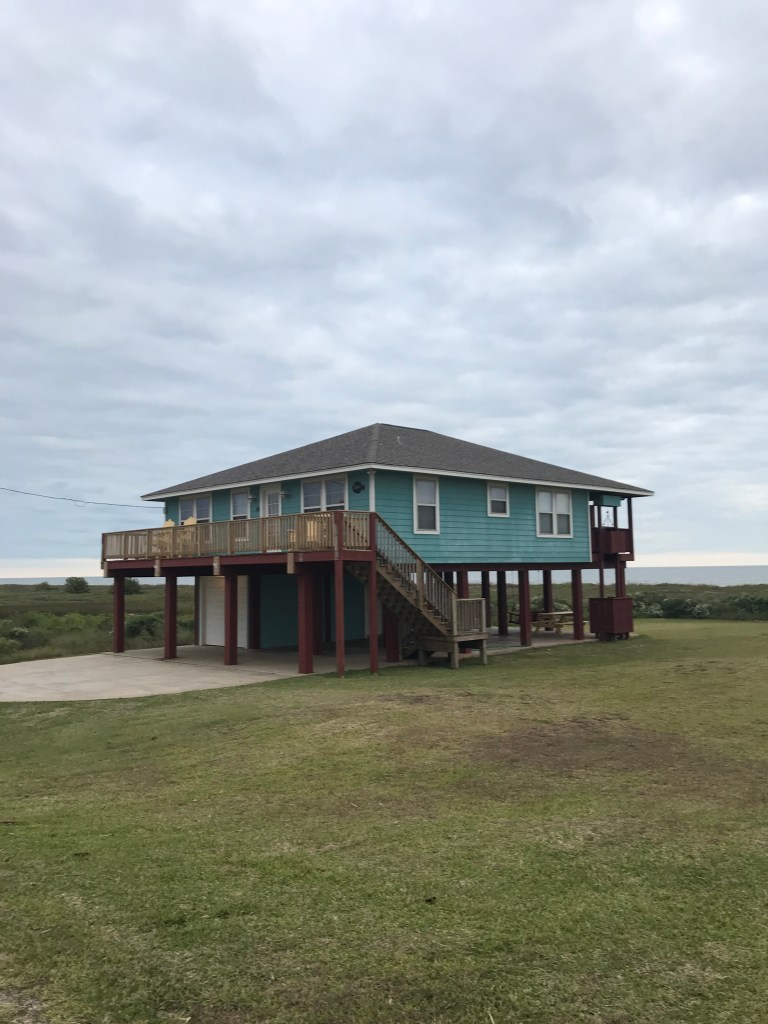
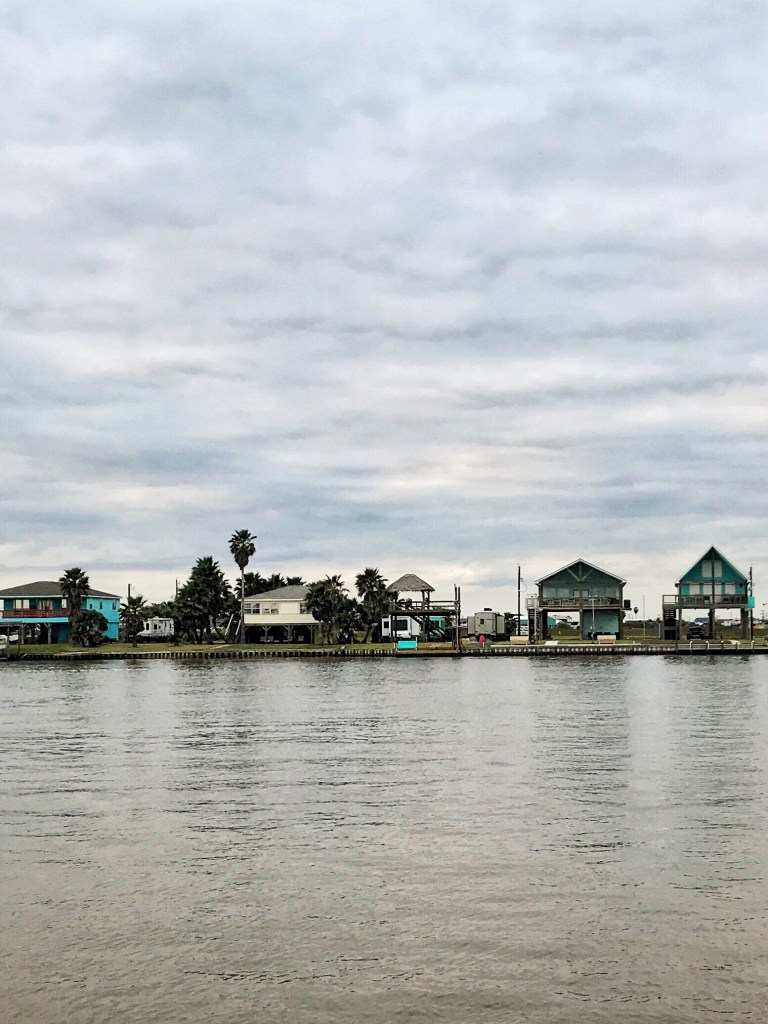
I went for a long bike ride one day, 85 kilometers out and back along highway 182/292 in Alabama and Florida respectively. The road is beautifully surfaced with a wide shoulder and absolutely flat and it passes an endless series of bars, townhouses, condos, hotels, Starbucks coffee shops, beachwear stores and marinas. One minute you’re in Alabama, then you’re in Florida. It’s not the sort of place I’d care to spend much time, but it was interesting and there’s such a dramatic difference from the other parts of the states that it makes for intriguing exploration. And there are some outstanding places to camp either right on the beaches or nearby in the grassy forests. It was warm and sunny.
The Itinerant Subculture
Driving around and camping in a van is not an idea I came up with on my own. As I knew, and later confirmed, there’s a very large group of itinerant wanderers traveling the highways and byways year round. A robust subculture exists to support everyone, visible in the many hashtags used in social media: #vanlife, #rvlife, #campervan, #rubbertramp, #homeiswhereyouparkit, #vanlifestyle, #motorhome, #overland… (you get the idea). People post photos and maps and follow each other as they live and move around. There are apps and websites. Some people drive huge RVs and tow cars and ATVs, others drive motor homes, campers and vans of all stripes.
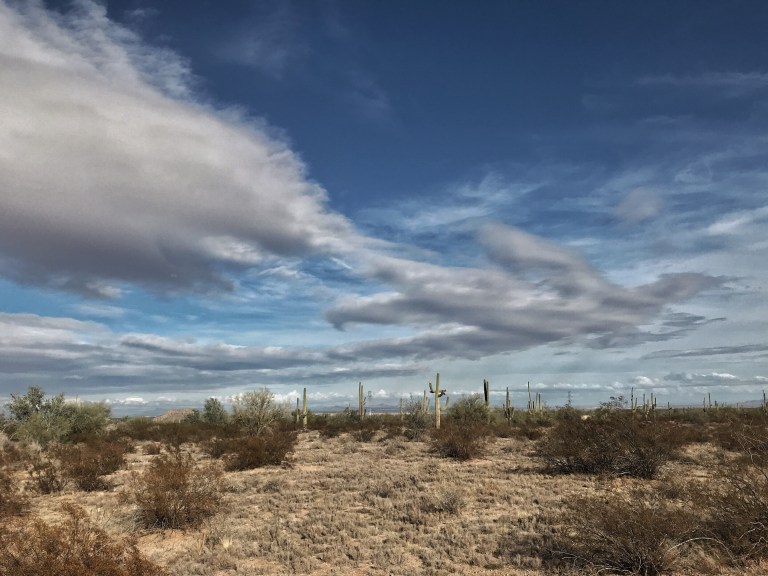
The owners vary as much as their vehicles. Some are hermit sort of folks who have dropped out of society for one reason or another – job loss and divorce were a couple of reasons I heard – others are full-timers who live nearly year round on the road. Some seek hidden out-of-the-way spots while others join large herds of fellow overlanders in the deserts of Arizona and California, escaping the winters of their homes in Wisconsin, Pennsylvania, and Vermont, riding ATVs across the sand dunes and meeting for drinks and dinners in the evenings in their air-conditioned RVs or under tarps outside.
Some travelers were easy to talk with while others kept to themselves. I got the idea that a few of the people I approached wanted to be left well enough alone, while I had trouble getting rid of some of the more chatty members of our mobile community who wandered into my campsite to ask after me or ask about my van. On the whole most people I met were middle aged – my age – or older, though a fair number of 20-somethings were on the road in their vans or converted school buses (“Skoolies”), dodging the rat race after university or quitting their anchored jobs to try on a mobile lifestyle.
Elaine and Tom invited me into their roomy RV for a tasty “home-cooked” Thanksgiving turkey dinner (motor home-cooked, I guess). We were camped close to each other in the Pinal County Park near Stanfield, Arizona and it was American Thanksgiving. Elaine felt sorry for me being on my own (I’d completely forgotten there was any sort of holiday). Initially I was a little perturbed that they’d set up so close to my van; I’d arrived first and had gone for a walk and on return discovered their huge RV parked more or less across from Mrs. Nakagawa when the rest of the park was deserted. Tom introduced himself and we drank a few beers in the wind and dust and soon enough Elaine came over and invited me back. Their RV was bright and warm and we enjoyed chatting and drinking wine with our turkey and (reduced set of) trimmings. They were from northern Missouri where it was now cold, and were on their way to the desert in Arizona where an annual camp of sorts has been running. It was to be their 9th year in a row wintering there, and they were looking forward to meeting their friends. We swapped stories and looked at maps and shared our feelings and interests in life on the road.
Mostly I was on my own and enjoyed the solitary time drifting around and camping in quiet places, but I enjoyed meeting other people doing the same thing. It’s the perfect environment for people like me who love other people and also love being alone. Mix and match as you please.
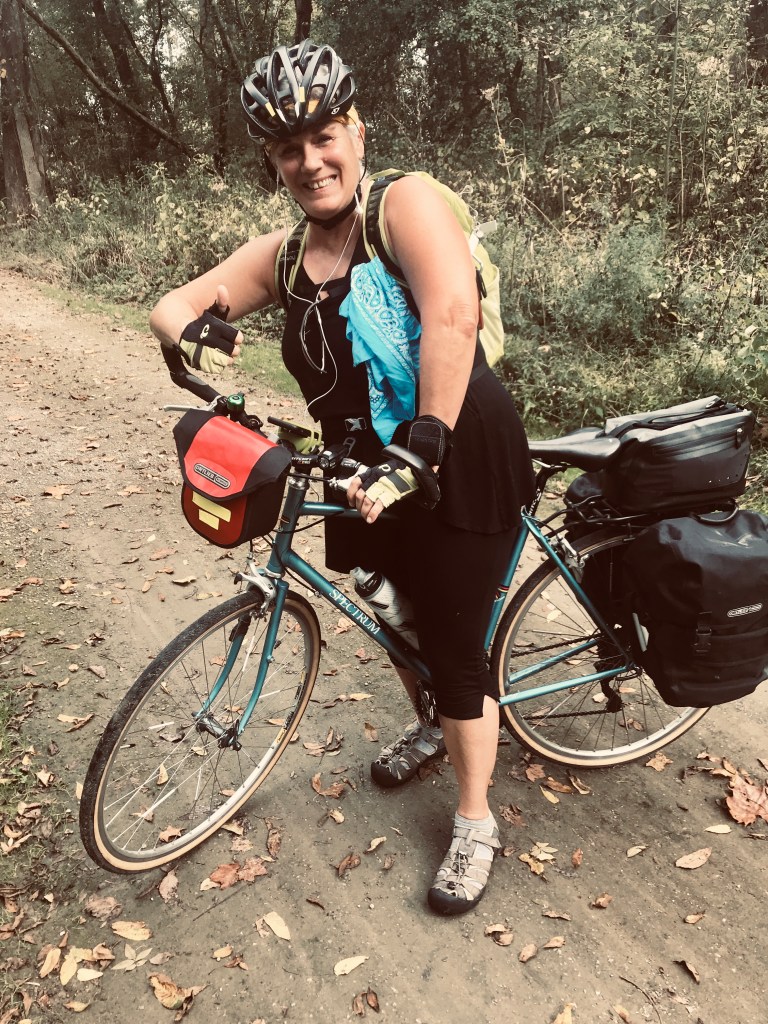
The nearly four months I spent on the road with Mrs. Nakagawa went nearly flawlessly in terms of gear planning and logistics. I’d been on shorter, less ambitious road trips in the past so had an idea of what things I needed to include, but this was a much more ambitious journey that required a lot more equipment and a lot more preparation. The van was excellent. I didn’t have a single mechanical issue, no flat tires, no worries – nothing.
I was lucky with the weather too; it rained very little which was lucky because I was living outside. Towards the end of the trip it grew colder and the days became dark much earlier and I found myself sitting outside in my lawn chair reading by the light of my headlamp, wrapped in a sweater and blanket. There were no bugs and no trouble sleeping in the crisper, cooler weather, but the early darkness definitely put a damper on the festivities. I was mostly never jealous of the travelers in the big RVs but admit I thought enviously of them now and then when the weather started to turn, tucked up around their tables or sitting on their sofas drinking hot chocolate.
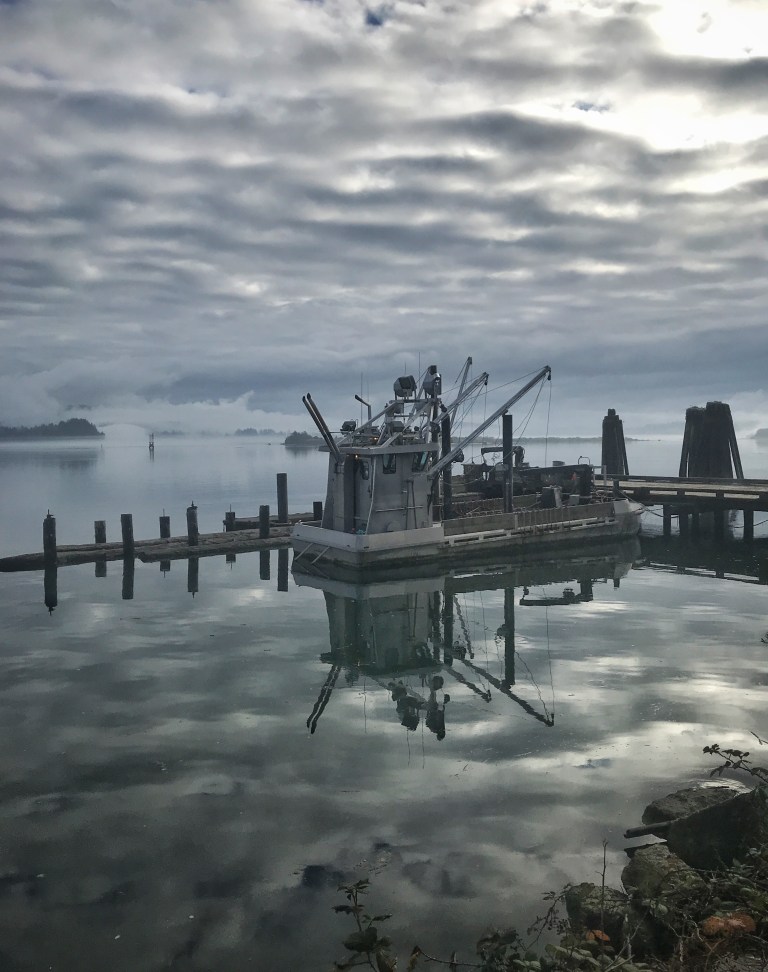
If you spent much longer periods on the road and wanted to carry on in colder and darker weather you’d want something larger, a vehicle that allows you to move around and stand up and offers a place to sit at a small table. I still can’t see myself driving a big RV but I did see a handful of people traveling in converted Mercedes Sprinters and Dodge RAM Promaster camper vans that were very well appointed, roomy and still small enough to drive easily and park. They cost in the $150,000 range though, so there’s that.
For now I’m happy with Mrs. Nakagawa’s company. And there’s always next time…
Stay tuned, and I’ll see you on the road!
(To see these photos and more, check out my SmugMug photo sharing website here).
Discover more from The Plain Road
Subscribe to get the latest posts sent to your email.

going through my Henro pictures (on lockdown) i looked up your travels since then( 2017 ) . Your camping trip was a great read since that is my preferred way of traveling . Wish we could have met up for coffee and egg on the NY side . Hunker down and stay safe !!!
LikeLike
This blog really got me…it s just a bit of your and Mrs Nakagawa’s free spirit.
LikeLike
Always a delighted reading about your adventures, Andrew. Looking forward to your next blog, safe journeys! – B
LikeLike
This is going to be fun.
Just what I need as I sit down with a morning coffee in a cafe here in Malta.
LikeLike
Great blog Andrew. Really interesting reading as one day I too hope to get a campervan and your Europe – if I’m still allowed to visit Europe for several months at a time after brexshite! Cheers. Simon
On Sat, 11 Jan 2020, 04:02 Andrew Wilson – Resting With Old Man, wrote:
> arjwilson posted: ” Living in Vancouver makes it easy to drive to the > United States. Most of us come and go regularly for shopping, sporting > events, concerts and weekend getaways. I’ve been across the border to > Seattle a million times, and motor down the coast to Los Angele” >
LikeLike
Really Excellent !!!
I am proud of the fact I met the old girl before you started out !
You should look after her.
The post is a bit long, of course, but really a nice read.
I have read about 70% so far and skimmed the rest for now.
I will give it a longer go later and give you a bit more feedback.
Am just a bit knackered at the minute. = Just arrived back in NYC – here for 5 days (Trade show) and then back to UK for 10 days before heading back to Vegas.
We will have a drink to Mrs N in Tonopah !!
C
LikeLike