
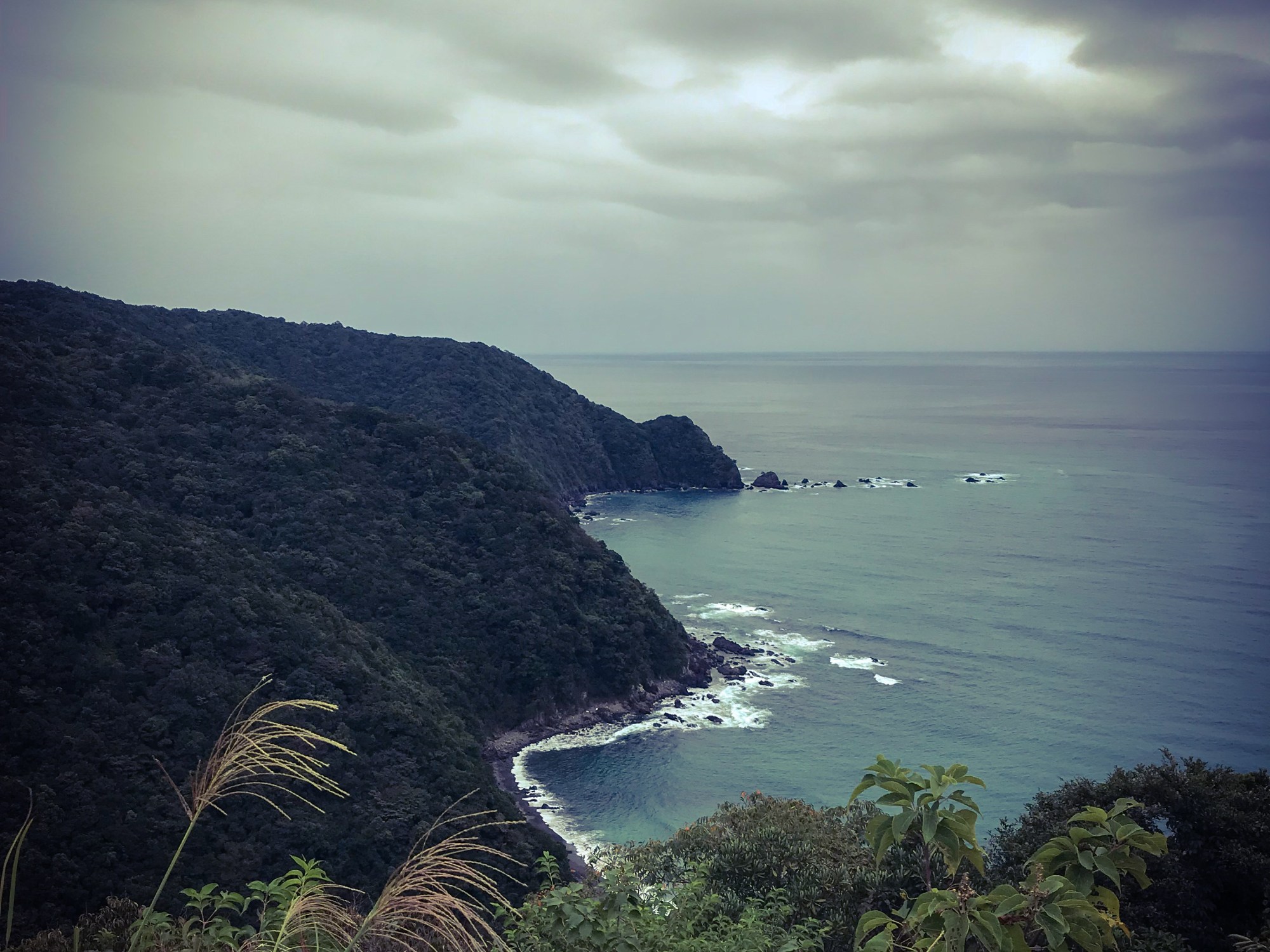
The walk moves along! Things continue to go well and I’m on target, walking between 25 and 30 kilometres a day as planned. There’s been a day or two where I’ve put in under 20K but a few monsters over 30K as well, so things have evened out and I’m slowly but surely working my way clockwise around the island.
As I write this I’m taking a welcome rest day at Cape Ahshizuri-Misaki, just near Temple 38. It’s the southernmost point on Shikoku Island and a national park. There are subtropical plants and warm winds. You get the idea the place is packed during the spring tourist season but it’s very sleepy at the moment, a few day trippers and the odd straggly pilgrim shuffling through.
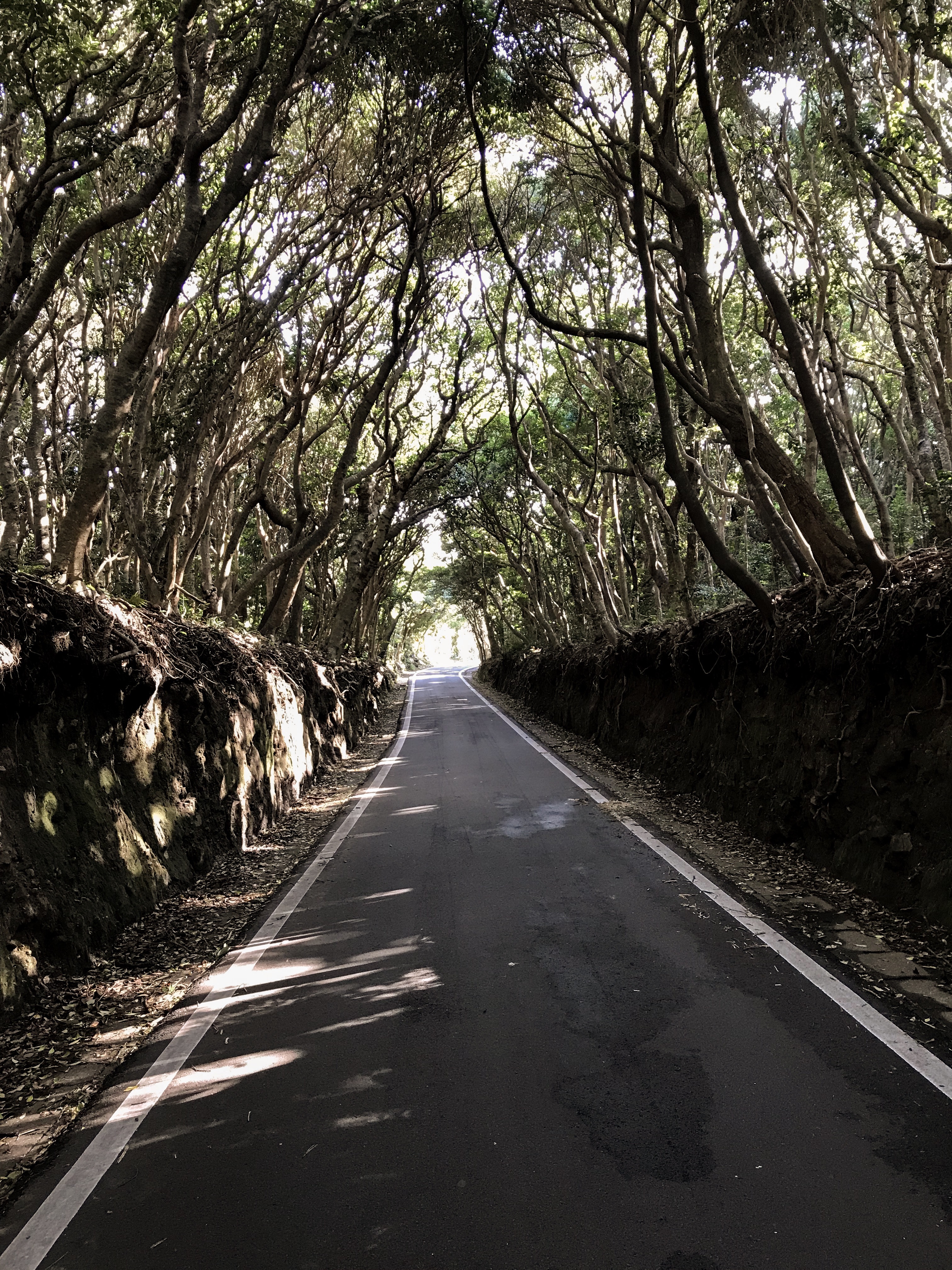
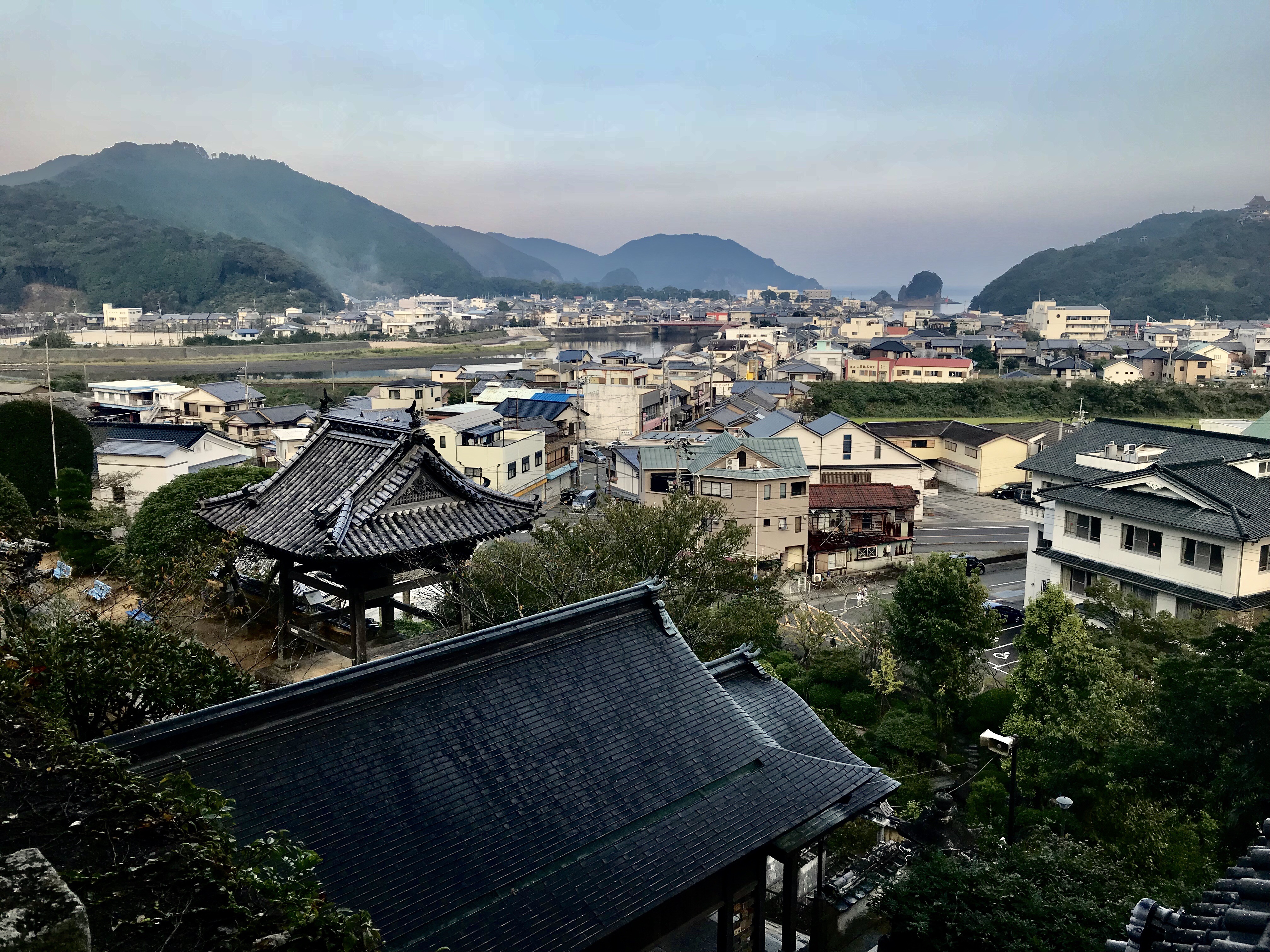
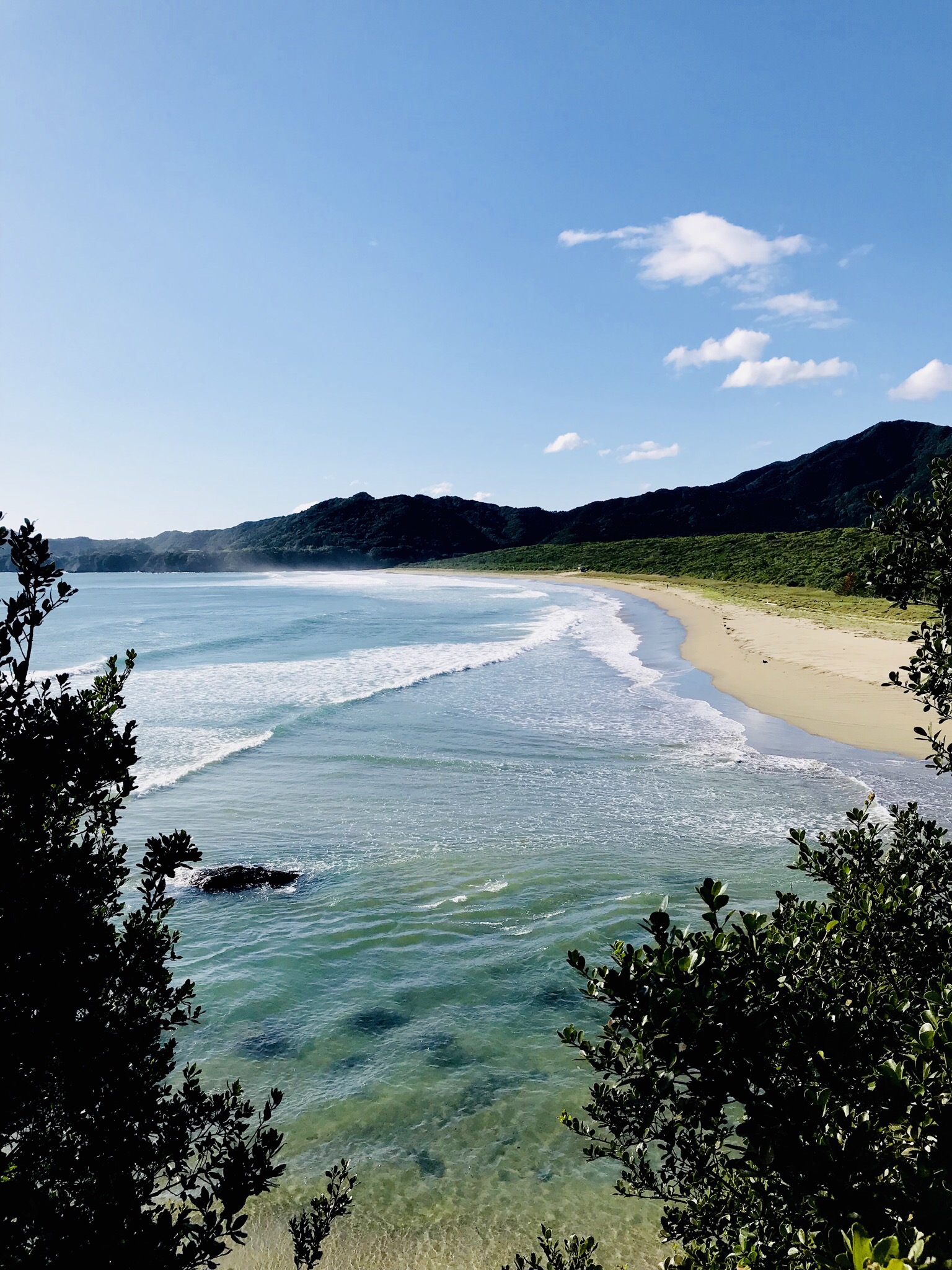
It was a long hard slog getting down here but overall the walking has been excellent. The scenery continues to be fantastic, and I’ve stopped taking photographs of wave-ravaged rocky coastlines and pristine sandy beaches because there’s so much of it. The wooded forest areas come right down to the road on one side and the ocean crashes on the other.
There have been some hard days. I was plagued with blisters for nearly a week and constantly taped and bandaged my feet and changed socks. I underestimated the intensity of asphalt walking (at home I usually walk on dirt or gravel or forest paths) and my feet have taken some time to adjust.
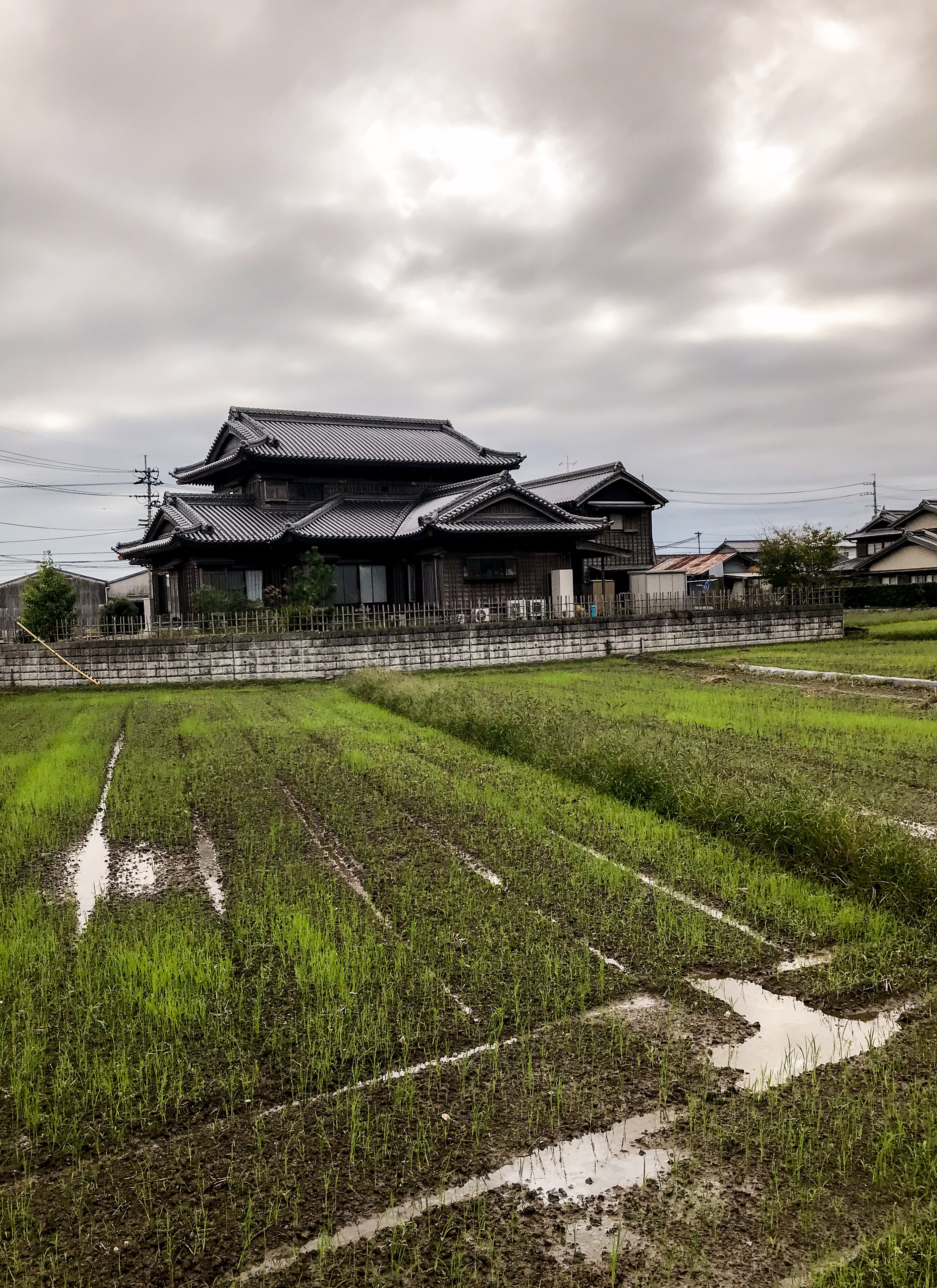
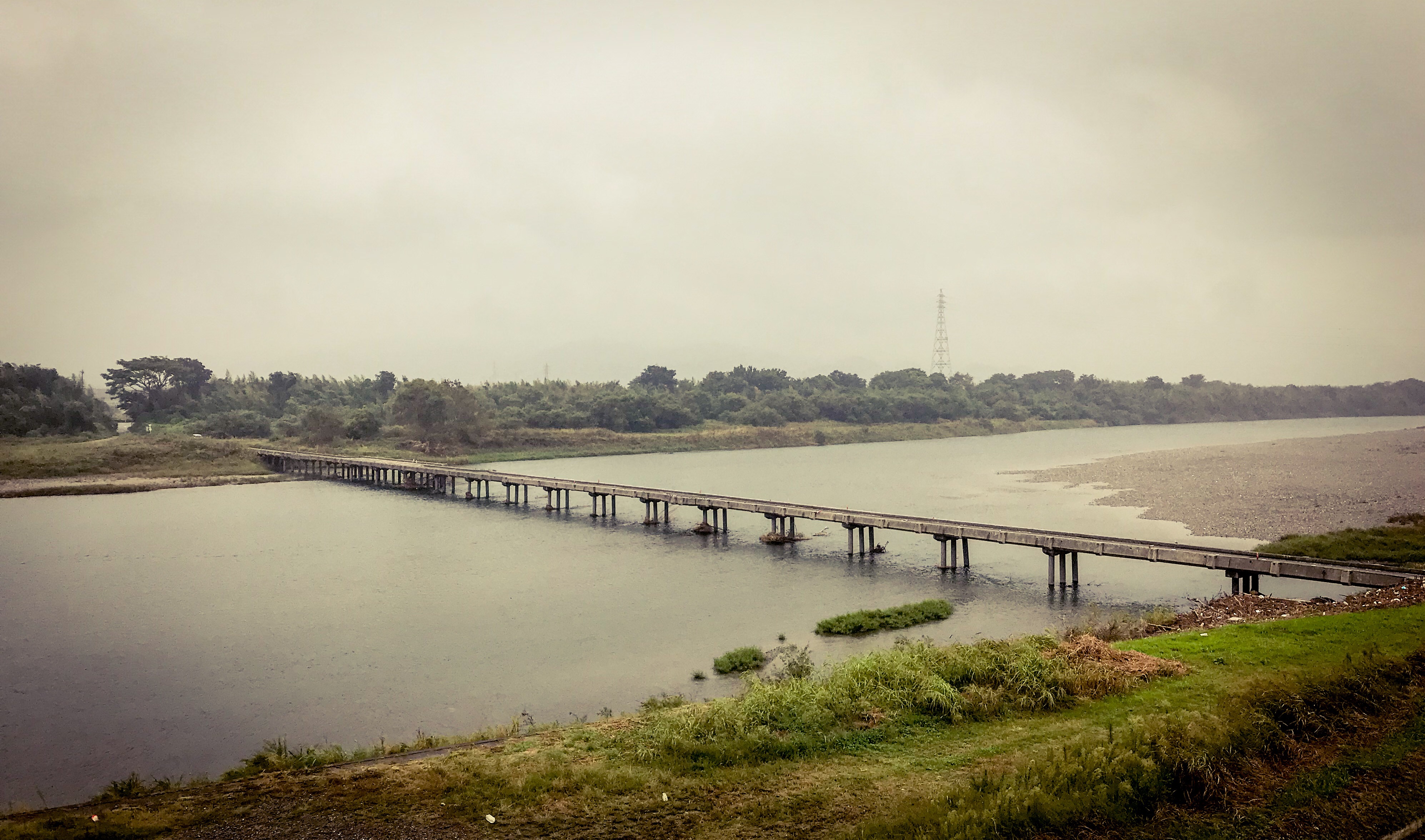
It rained essentially everyday during the last week, including one day during a typhoon when the rain was heavy non-stop the entire day. Everything was wet through and I had to dodge puddles and torrents of water rushing across the roads. I’d intended to take a small ferry across a river estuary but it was suspended due to rain and high water so I had to take a longer route across a series of flat farm lands that were nearly submerged.
I’m meeting fewer pilgrims now. Twice I’ve been the only guest at the evening’s minshuku lodging, and hours can pass without seeing anyone else on the road. The temples are very spread out and walkers go at their own pace and take rest days so we’ve lost track of each other. I’ve met a couple of pilgrims doing the route counterclockwise.
People in this part of the island are very friendly and chatty. They enjoy meeting me (I think) and it’s common to receive small gifts – candy, oranges, rice balls and crackers are the usual items. They smile and wish me well and bow as I take their presents.
My spirit is good and I’m definitely in a rhythm now. I start in the morning after breakfast around 7:00 or 7:30 and take a 10 minute rest every 75 minutes, and a longer 30 – 45 minute rest for lunch around 11:30 or so. I eat rice balls and mixed nuts and fruit for lunch on most days, procured from a small grocery or received as gifts during the day.
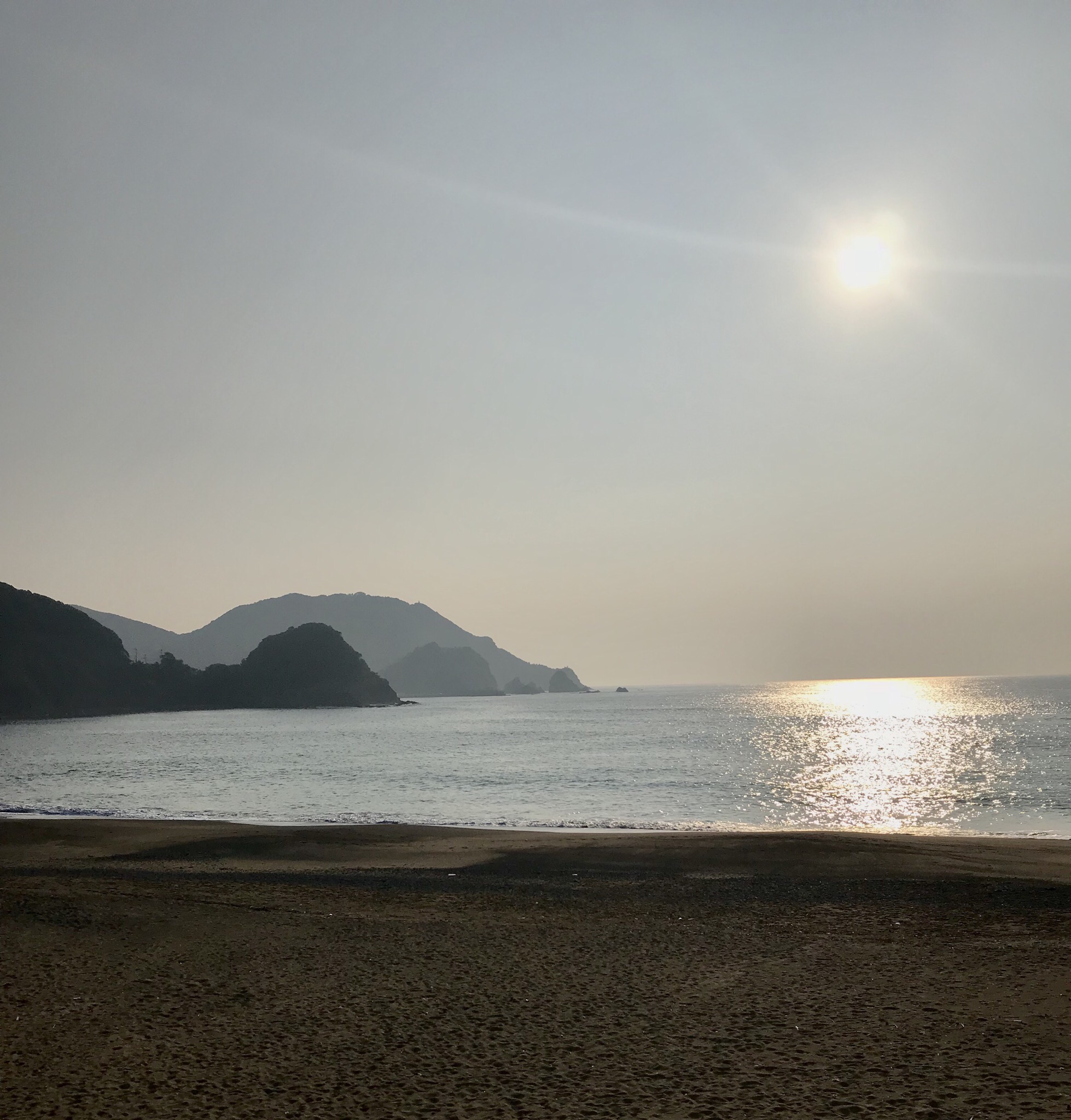
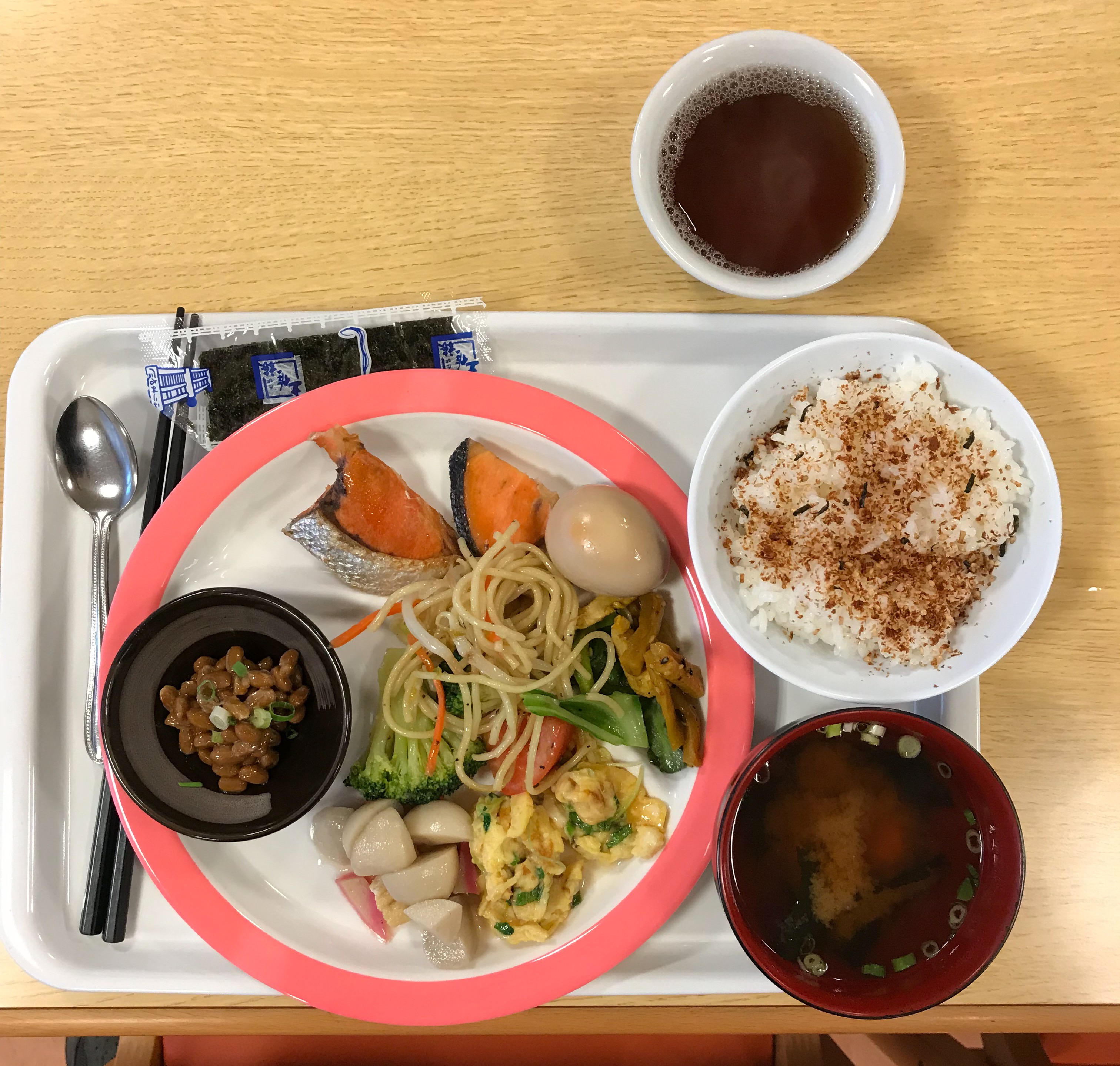
There are very few restaurants or much of anything else along the main roads. I expect that to change as I start walking up the west cost of the island and towards the top where it’s a lot more populated and the towns are closer together. I’ve been eating rice, miso soup and pickles with EVERY meal and while those are good things and invariably well prepared and fresh I’m dying for a slight variation. I’m guessing the northern part of the island will be different. Another dozen temples and 500 kilometres and I’ll have my answer.

Some of the 575 paintings on the ceiling of Temple 37
So far I’ve seen 38 of the 88 temples and have walked 515 of the 1,200 kilometres. I’m not half way there yet by any yard stick but I am making progress and really enjoying the walk. It’s a treat to be able to see this part of Japan.
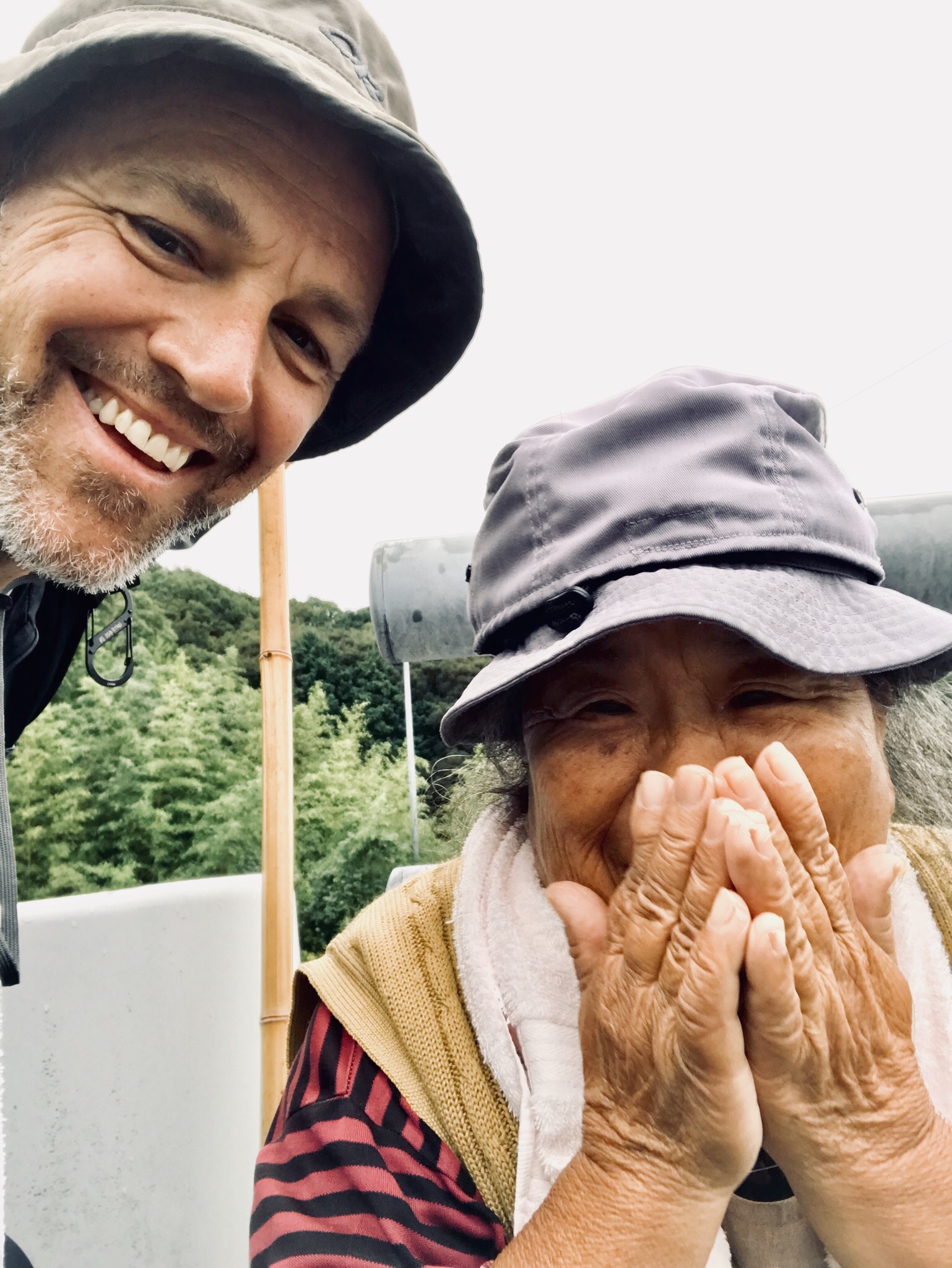
It occurred to me the other day that during the five years I lived in Japan and the many trips I’ve made here since then I’ve rarely spent more than a few days at a time in the countryside until now when I’m spending 99% of the time in the countryside.
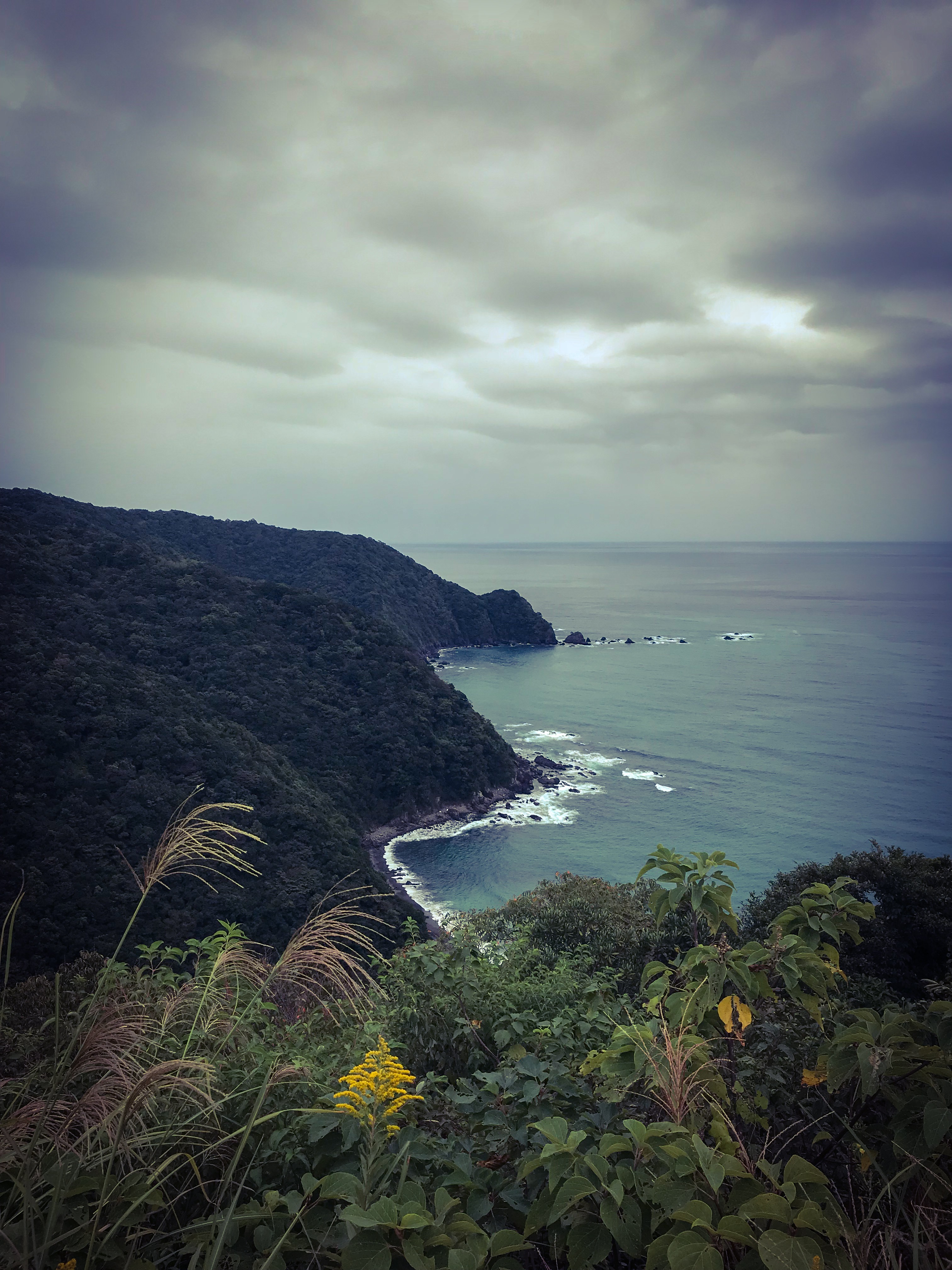
It’s a different world. Rural Shikoku is beautiful and quaint and cozy but it appears to be hollowed out. I can’t count the number of abandoned elementary schools and closed shops and small factories I’ve walked past. Locals have told me it’s dying. Young people don’t want to live here because there are no jobs and life is hard and removed from the rest of the country. They move to Tokyo and Osaka and the big cities and never return. The old people who remain grow older and have nothing to leave as a replacement when they go.
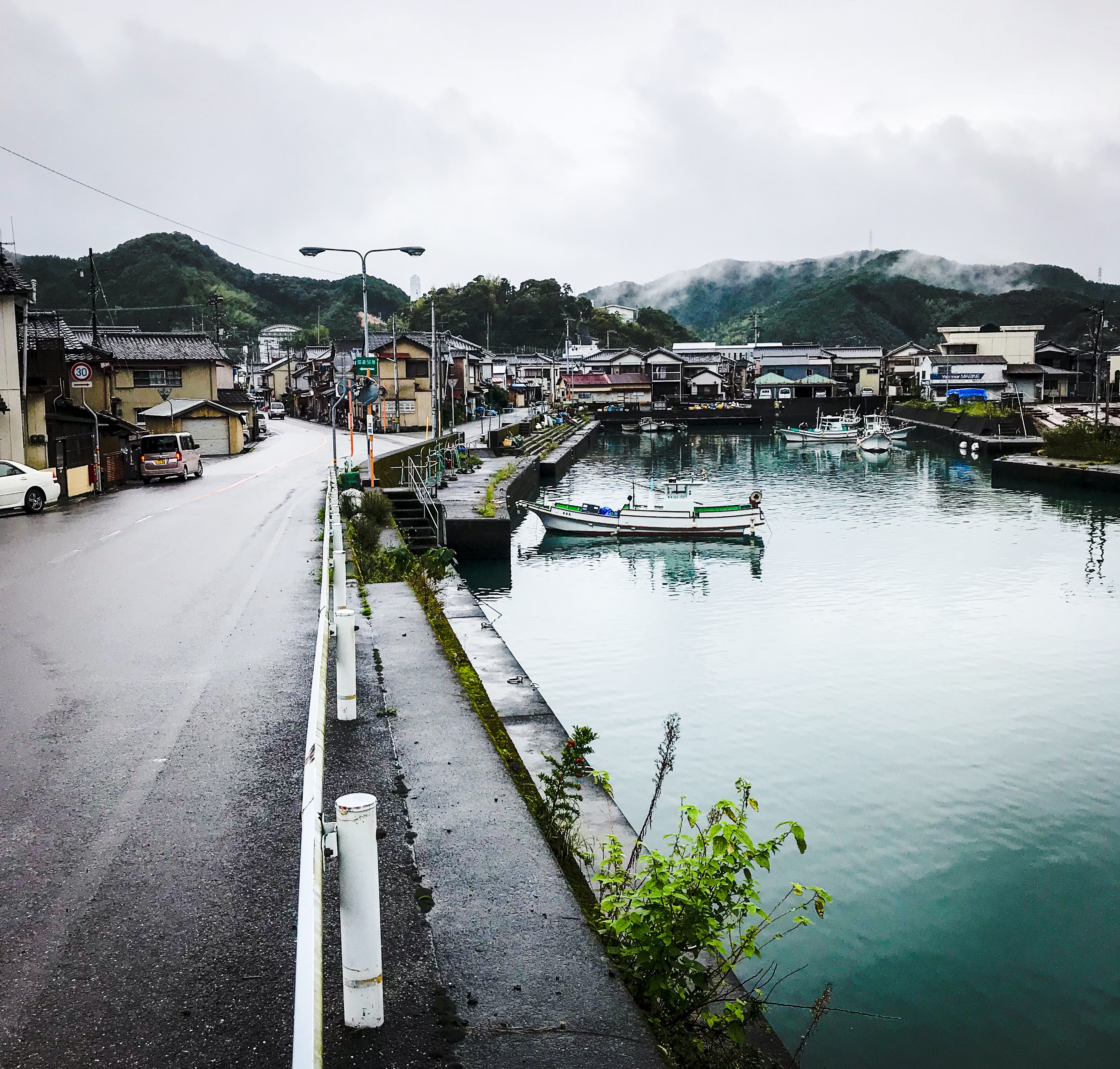
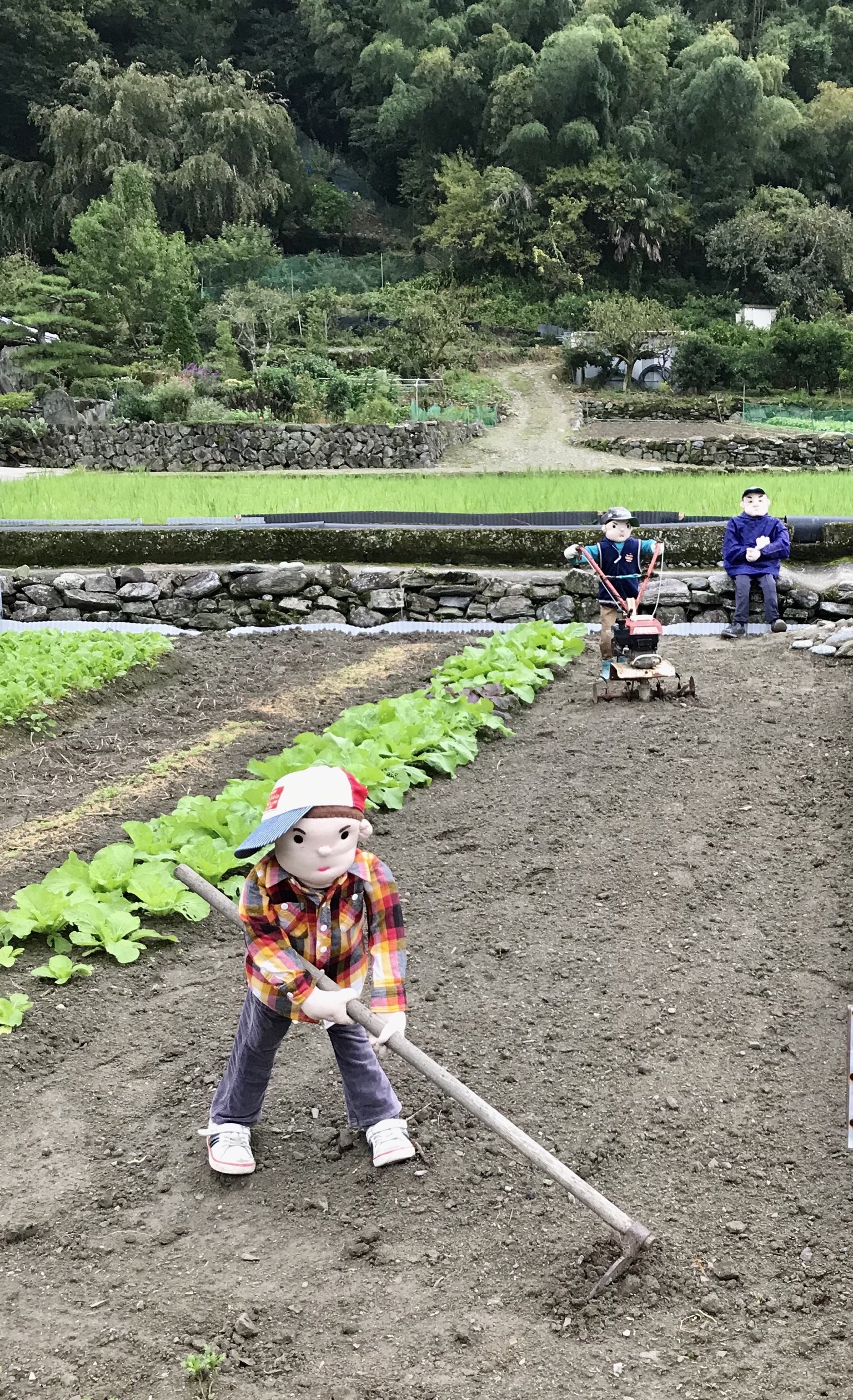
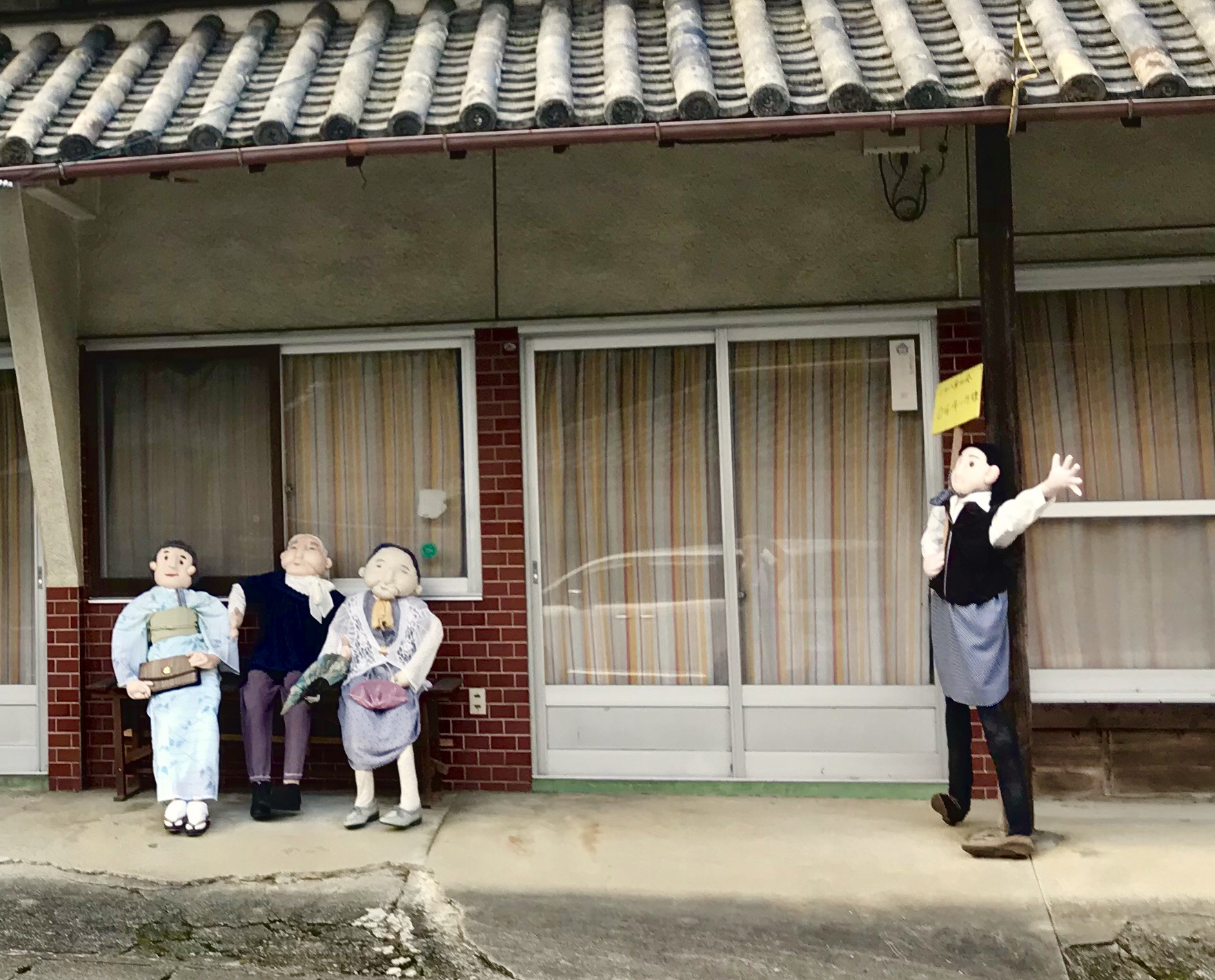
I passed through one small village where elderly residents have made 30 or so life-sized stuffed dolls and placed them around the village in an attempt to make the place feel more lived-in. Dolls sit on the porch, chat in groups on the side of the street, and work in fields. It was sad, inspiring, and creepy all at the same time.
In a few days I’ll enter Ehime prefecture, the third of Shikoku’s four prefectures (“Shikoku” in English translates as “four lands”). Like the rest of the island it boasts a rocky and dramatic shore line, but the pilgrim’s route meanders more inland and towards the mountains.
Looking at the map and my little guide book it appears as though I’ll walk through farming areas, mountains, river valleys and city highways; something for everyone.
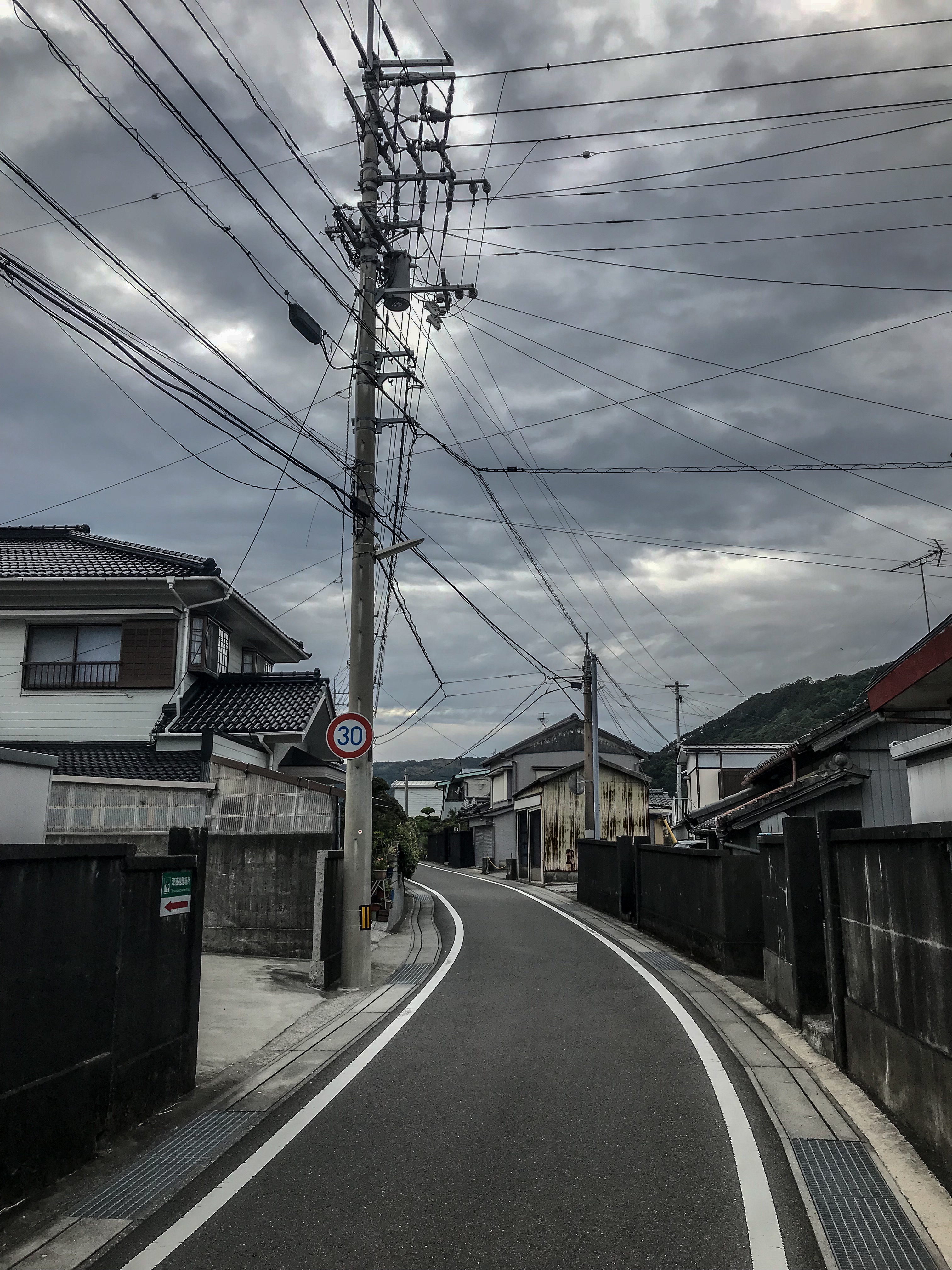
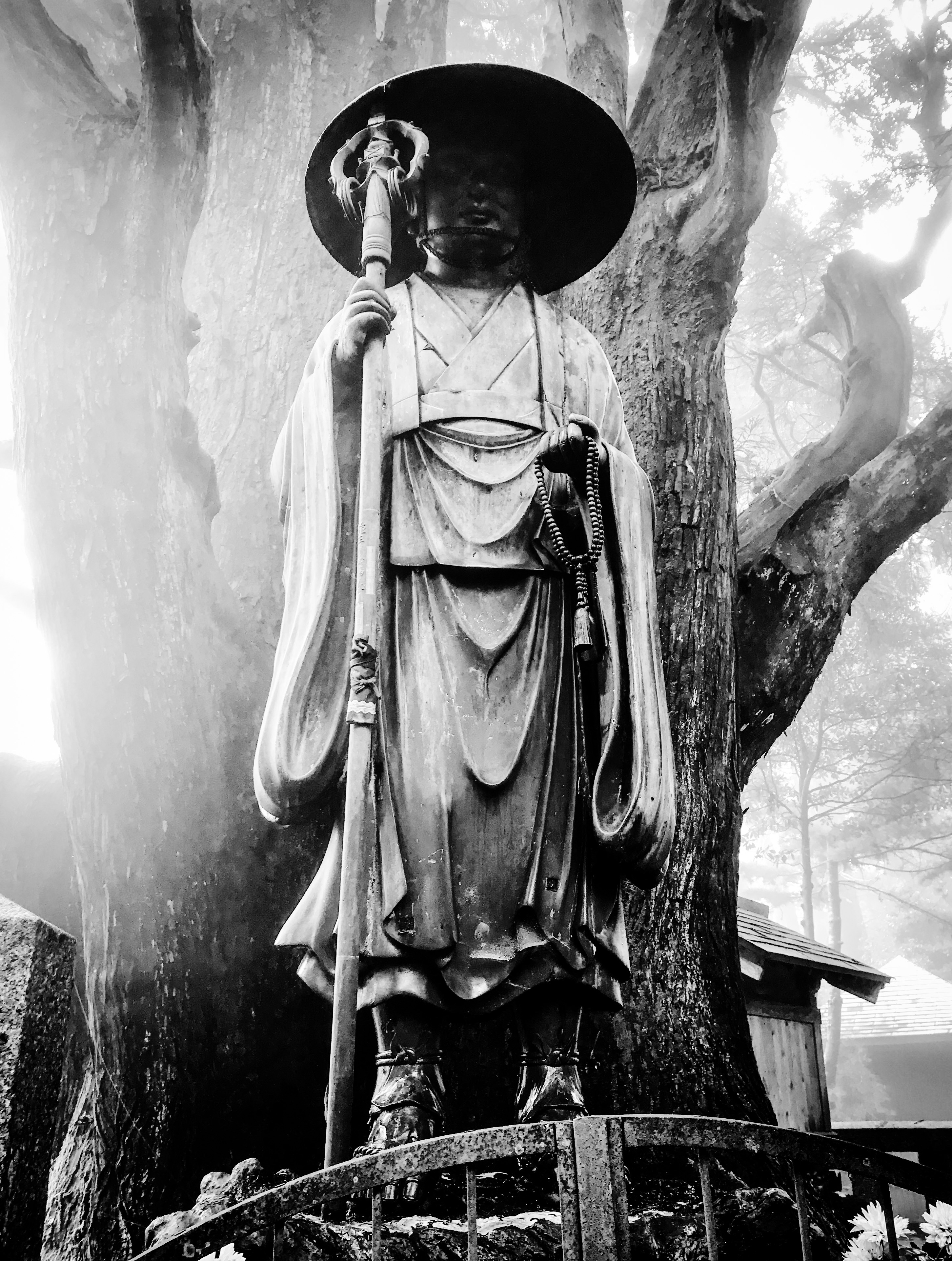
In the meantime I carry on, happily lacing up my boots each morning and heading out the door. It’s very meditative, nothing to do all day but walk, think, talk with people along the way and enjoy being outside in the country. I still have a long way to go and there are some tricky mountain temples to reach and a number of icky city highways to pass through but the going is good and I’m sure I’ll enjoy the coming days.
Stay tuned!
Discover more from The Plain Road
Subscribe to get the latest posts sent to your email.

Really touching to see the photos of the life-sized dolls in the half abandoned village. Thanks, Andrew, for sharing this incredible trip with us!
LikeLike