
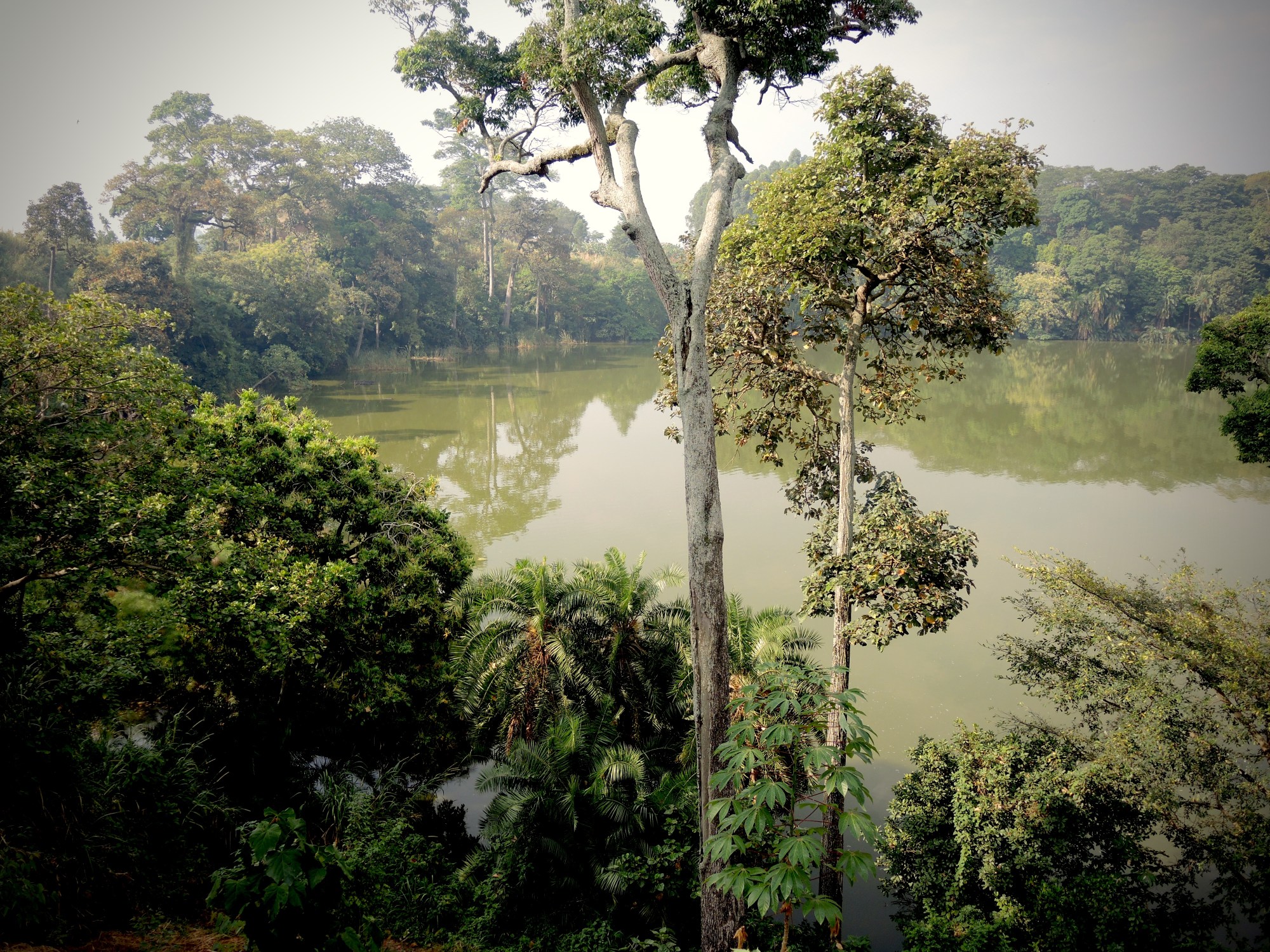
By the time I finished the northern circuit and returned to Gulu I’d had my fill of hot, dusty, dry, endless horizons and was ready to head south to greener pastures. I remembered the beautiful lush highlands from my previous trip in 1993 so pointed myself in that direction. There’s no exact line of latitude where the country switches from north to south, but by the time I reached Fort Portal – some 450 kilometers from Gulu – I had well and truly left the north behind.
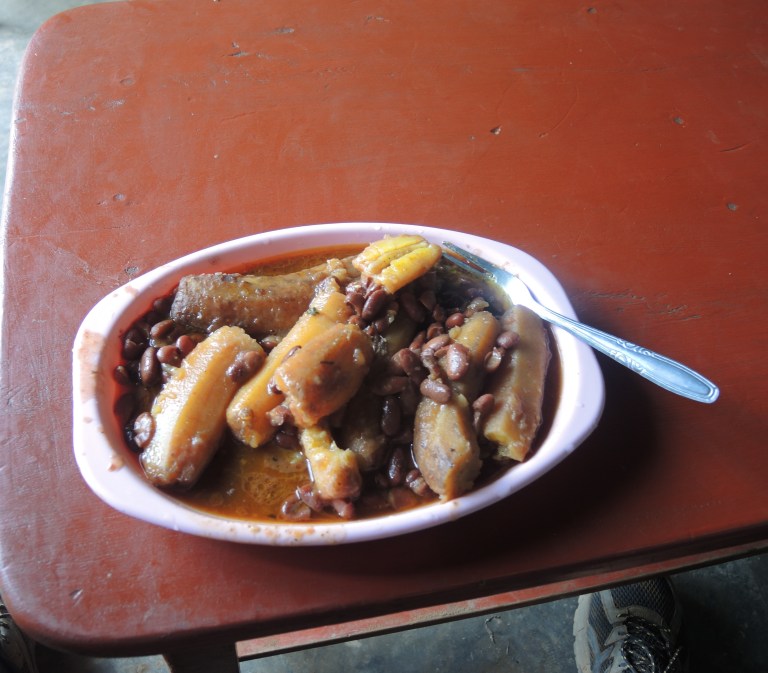
Back in 1993 Fort Portal had been a sort of siren call for me. It was the most developed place in the region (which admittedly isn’t saying much), and for a solid week as I fought my way over bumpy roads in rusty minivans and the backs of trucks I’d thought of the well deserved rest I was sure to get once I got there. I would do laundry, eat good food, find a place with air conditioning and catch up on the news; it turned out in the end to be disappointing, as the town was muddy, damp, overcast and had been without electricity for a week prior to my arrival. I stayed there for three or four days (the electricity never did come back on) and eventually found a few decent places to eat, changed money (the days of traveler’s cheques), did laundry and scrounged up a few newspapers, but the town wasn’t up to much.
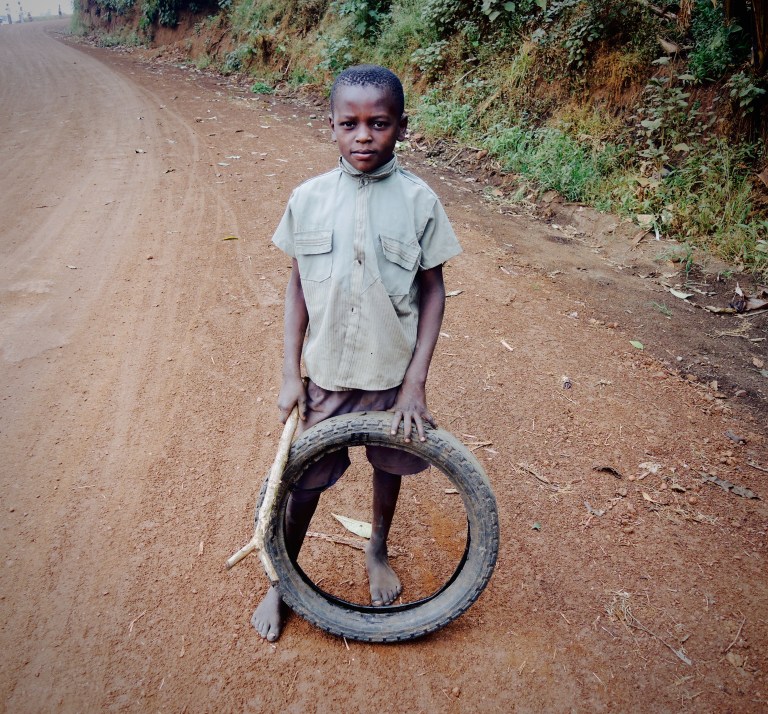
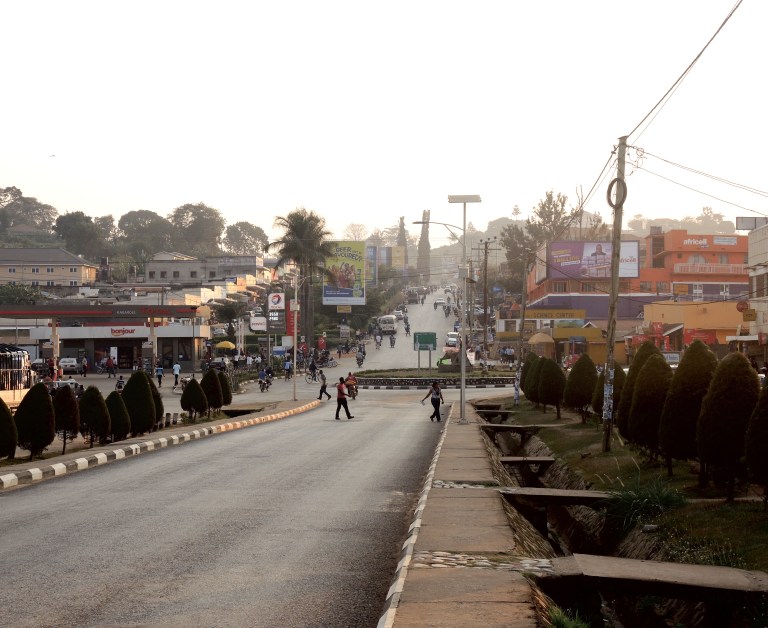
In a twist of fate, I once again found myself pointed in the direction of Fort Portal where I hoped this time to find a slightly higher standard of lodging, food and entertainment. I loved the north, but I needed a little change. This time I was better rewarded: the town has been dramatically remodeled, and there is now a fairly good variety of places to stay and eat, there was plenty of electricity and the sun shone on a dry but beautiful land.
Fort Portal is quite clean and orderly, even prosperous, and there are a lot of western tourists about, mostly passing through on their way to see gorillas or other natural attractions. A few provided some much needed conversation. I had an interesting evening in a very busy bar on the main drag talking with a small group of Canadian and Swedish tourists who’d just come from visiting the gorillas. One woman shared a bag of Werther’s caramels.
All in all I was comfortable there. It proved to be a difficult place to get to from Gulu though, and I had to make the journey in stages. First a real bone-rattler from Gulu to Masindi, then a reasonably smooth minibus to Hoima that would have been fine had it not broken down – twice – causing us to limp into Hoima well after dark.
Hoima has to win the Dustiest Town on Earth award. It’s main street, for some unknown reason, is unpaved, and the heavy traffic throws up a continual, thick blanket of dust. I didn’t even go out in the evening for a beer, so heavy was the dust, which speaks volumes to the unpleasant atmosphere of the place because I was absolutely choking for a cold one.
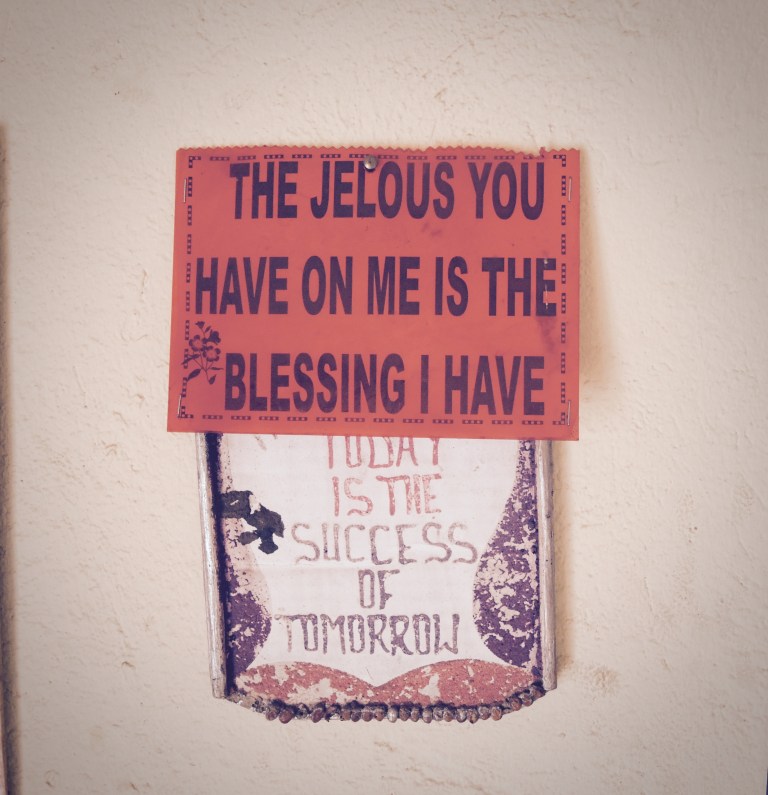
I did, however, find one of the best hotel rooms I’d come across in all of Africa, the Nsamo Hotel. The place was immaculate. I was given a shockingly clean and tidy room with an excellent mattress, freshly laundered, stiff white sheets and towel, and a shower that boasted gushing water at the touch of a tap. And it was cheap. I stayed in and read and had an early night under the smooth cotton sheets; it was almost worth staying a second night.
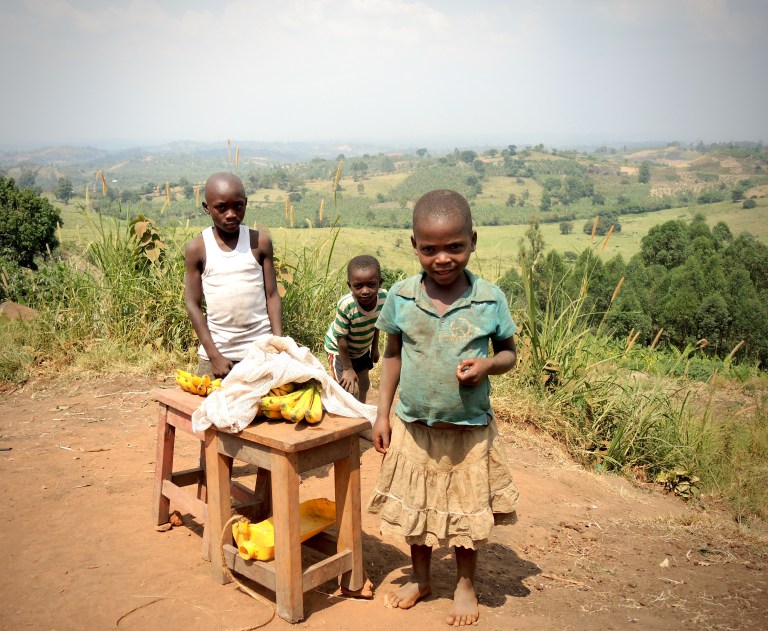
Hoima to Fort Portal was another story altogether. They’re both fairly large towns, but oddly there was very little transportation running between the two. I walked around the minibus station for a half an hour asking, but all the direct transportation had already left earlier that morning. Everything else seemed to be going in a different direction. I thought about hitchhiking but it would have been too complicated finding the right road out of Hoima. Eventually I found a large, dilapidated rusty bus that took seven hours to cover the 145 kilometers over extremely bumpy and uneven dirt roads. The bus itself was actually fairly comfortable, but the combination of the road and the fact that we stopped constantly to let people on and off made for a long day indeed.
At one point I asked our driver why we’d been sitting at the side of the road in the middle of nowhere doing nothing. “We are waiting for a passenger,” he explained. Apparently people would call the driver during the journey and ask him to wait at so-and-so place. We did that a half dozen times, sitting there in the middle of the dirt road until a woman with a few kids appeared on foot or on the back of a motorcycle and climbed aboard. Imagine that happening at home, a bus driver stopping to wait for people at the side of the road. People would go nuts, but it’s actually a lovely thing to do. It demonstrates a spirit of community and necessity of assistance we don’t see much anymore here in Canada.
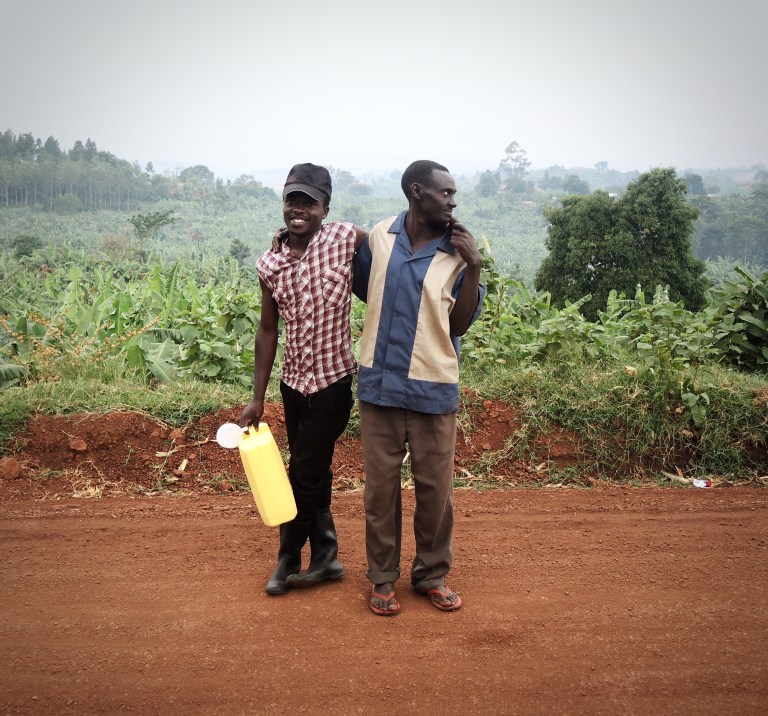
I ate and slept well in Fort Portal, despite staying in a very cheap and basic hotel (the receptionist gave me a 3-pack of condoms when I checked in, which says something about the normal clientele I suppose). Despite being a more touristy town there was very little hassle; hardly anyone asked me to buy anything or go anywhere or consider anything. One man did introduce himself as a hair stylist and invited me to visit his shop. “I am a stylist,” he said, “and I’m sorry to tell you that your hair is in need of styling.” He was right, but I declined and carried on with un-stylish hair for the rest of the trip.
Then I spent several days in the Crater Lakes area, south of Fort Portal. It’s a wonderfully green and lush area dotted with both large and small lakes ringed by impossibly steep hills. The walking is outstanding, and I enjoyed swimming a few times; the second lake left me with several large leeches attached to my calves and feet. I spent an enjoyable evening in a country bar watching a Premiere League football match on a small television with the locals (their team lost).
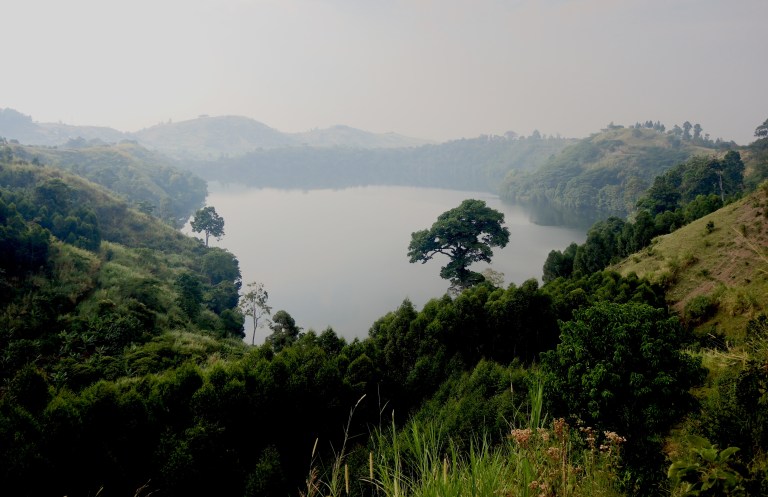
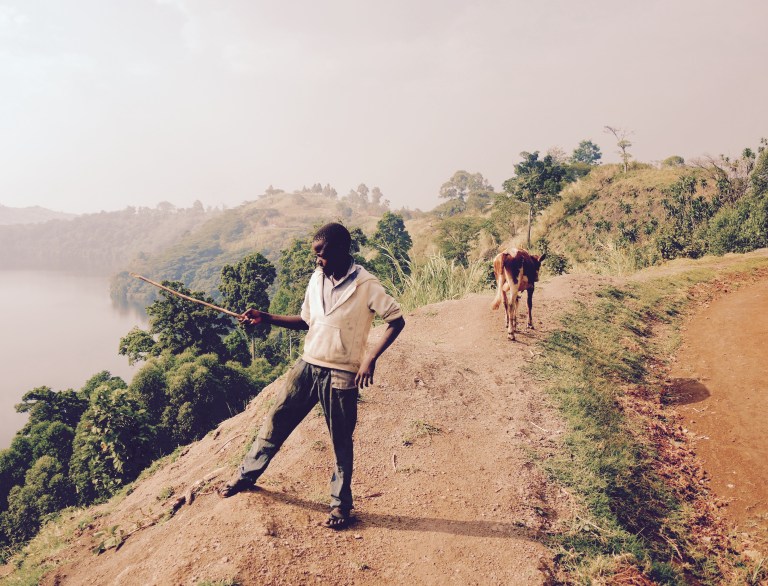
I eventually left the Crater Lakes area and continued south for Kasese and Kabale, climbing higher into the southern highlands where there was fresh mountain air, fewer mosquitoes and an amazing variety of fresh fruit and produce. And excellent walking…
Quite a few of the locals were interested in hearing about my travels in the north of Uganda. Most people don’t seem to venture far from where they live and know very little about what’s actually on the ground in the far-flung districts of their own country. I entertained a group of men in a park one afternoon showing them photographs I’d taken in Karamoja and the Arua area and giving them a sort of lecture. Perhaps I should have had my hair done after all…
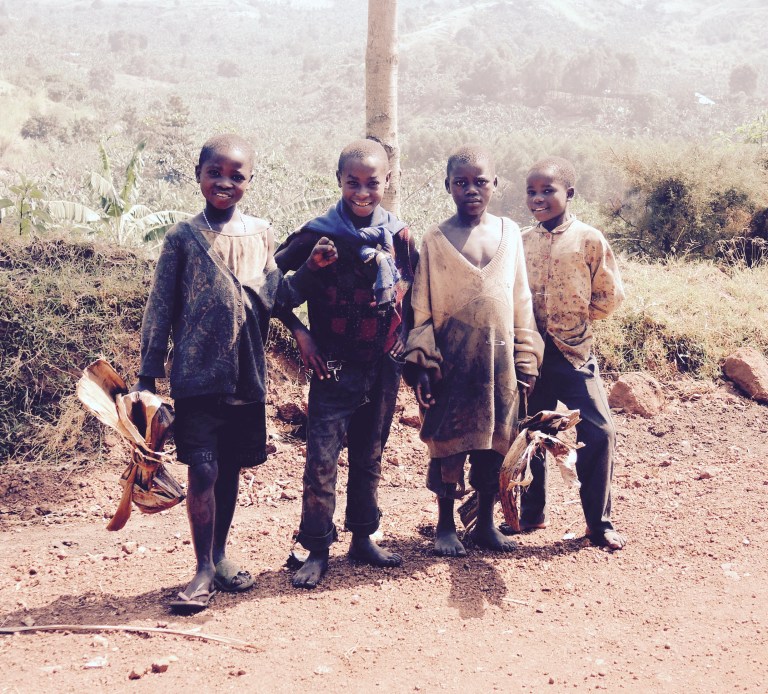
It’s nearly time to leave Uganda and move into Rwanda. Next week I spend some time in Kasese and Kabale and visit Lake Bunyoni on a wonderful, long walk up and over a series of high hills through tiny hamlets and subsistence farms. The far south of the country is much different to the other areas I’d visited, and the weather turned grey and rainy for a few days making it seem different still. Uganda really does pack a lot of variety into such a small place.
Stay tuned!

Discover more from The Plain Road
Subscribe to get the latest posts sent to your email.

Again, thank you Andy —- we so enjoy all your blogs!
LikeLike
Great read, I have been meaning to get to Fort Portal, seems it may be worth the effort.
LikeLike