
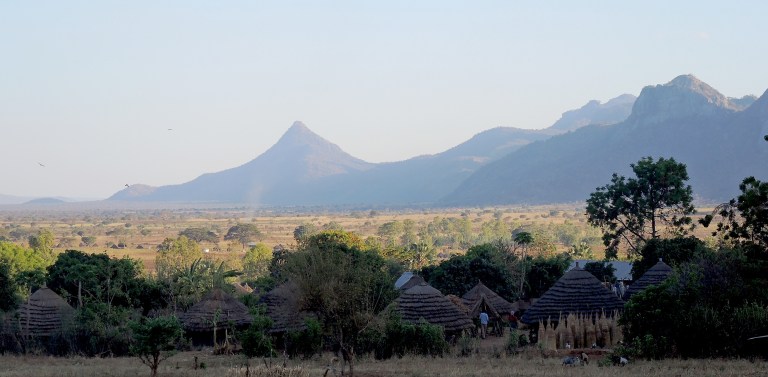
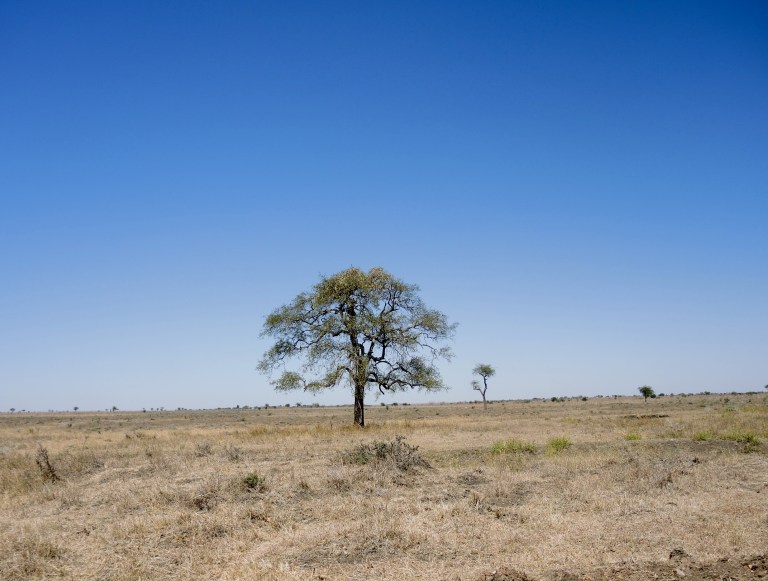
Karamoja is my favorite region in Uganda. It’s a tough call, because I really like Uganda a lot, and I loved most of the places I visited, but Karamoja is different. In many ways it’s much more closely connected to the history and culture of South Sudan than to the rest of Uganda. Unlike places farther south where it’s lush and green and pastoral Karamoja is very dry and barren and populated largely by semi-nomadic cattlemen.
The people of Karamoja are the Karimojong, a Niolitic tribe, sharing much in common with the Turkana people of neighboring Kenya. Generally very tall and dark, they look different from the Bantu-speaking peoples from the south of the country. They wear wraps similar to a Thai sarong, and many have ornamental scars and markings on their face. They were also noticeably less friendly and approachable; no one was unpleasant or rude exactly, but I found most people a little standoffish and reluctant to chat, which is a sharp contrast to the people in the rest of the country. And it proved impossible to take photographs of the locals – I tried a few times but was told in no uncertain terms not to. A number of the younger men carry spears, so I didn’t press the point.
When I visited Uganda the first time back in 1993 more or less the entire north of the country was off limits to foreign travelers. The Lord’s Resistance Army, or LRA, controlled much of the north, and reeked havoc on the civilian population. I don’t have the scope in this blog to go into the history of the LRA, but suffice to say they were a radical, violent group of ambiguous purpose that terrorized the northern districts from the time just after Idi Amin was ousted, and especially in the early 1990s when they were strengthened by military support from South Sudan. For many years the area was cutoff from the rest of the country, and as a result today it still lags behind (lagging behind a country that itself lags behind). It’s safe now, though there’s still more than a little whiff of frontier town lawlessness. I loved it, and had fun getting around, finding places to stay and scrounging for information about towns farther along the road.
To get there in the first place I had to go from Lira to Kotido in an old, battered sedan car that was designed for 5 but carried 10! It was by far the most impressive display of vehicle-stuffing I’d witnessed. We had 6 in the back (all adults) and 5 in the front. I had arrived at the bus stand in Lira early so I managed to secure the front passenger seat. Sounds good enough, but I shared the seat with 2 other people, one of whom had to straddle the gear shift and rest one cheek on the driver’s seat.
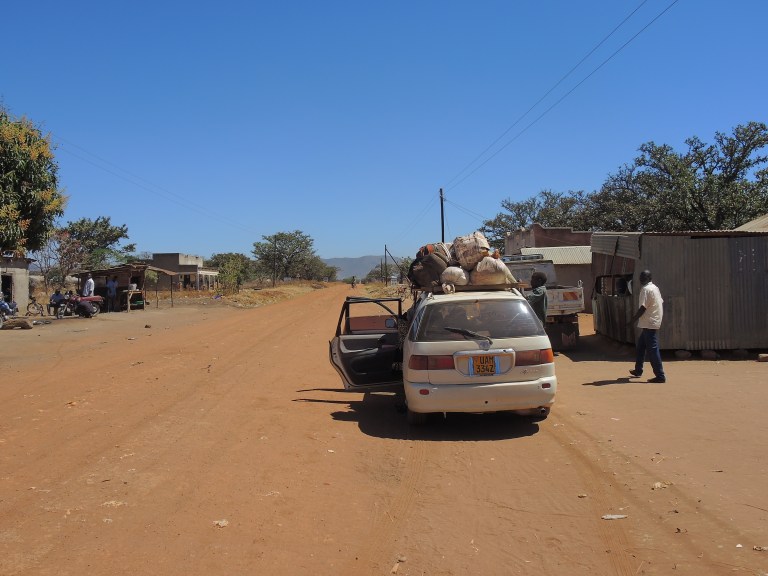
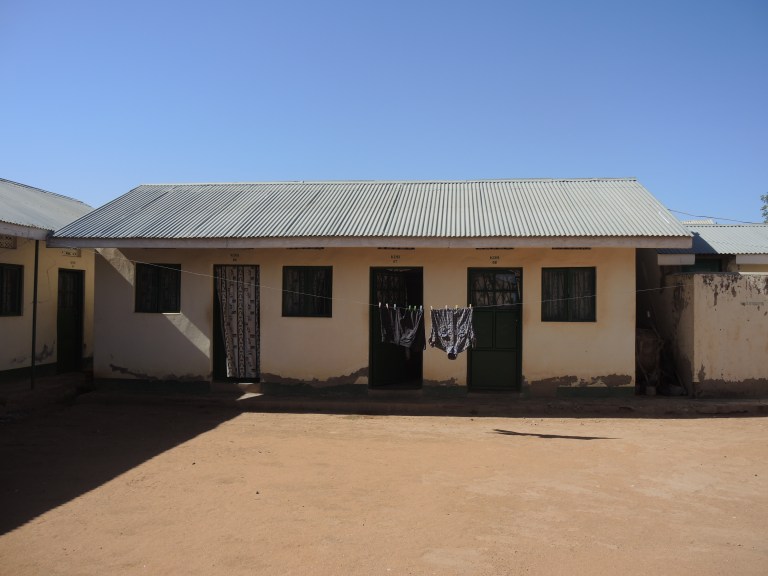
It was nearly 6 hours to Kotido. The first 10 kilometers was on smooth(ish) asphalt, but then the road turned to dirt and stayed that way the rest of the journey. It was bumpy and uneven, and shockingly dusty. The car wasn’t air-conditioned so the windows were left open and as a result the inside became as dusty as the outside. Because nearly all the locals wear their hair closely cropped (and they’re all African of course, with “black person” African hair), the dust stuck to them like Velcro, so at the end of the ride everyone looked like the basketball player Dennis Rodman, with their hair and faces dust-colored light brown. I’ve never been as dusty in my life. Finding a place to stay in Kotido wasn’t easy either. The first place I checked was, even by my low standards, very rough. A second place was no better. Finally I settled on the Hotel Discovery, which was better, though all the bedding and surfaces were covered in dust.
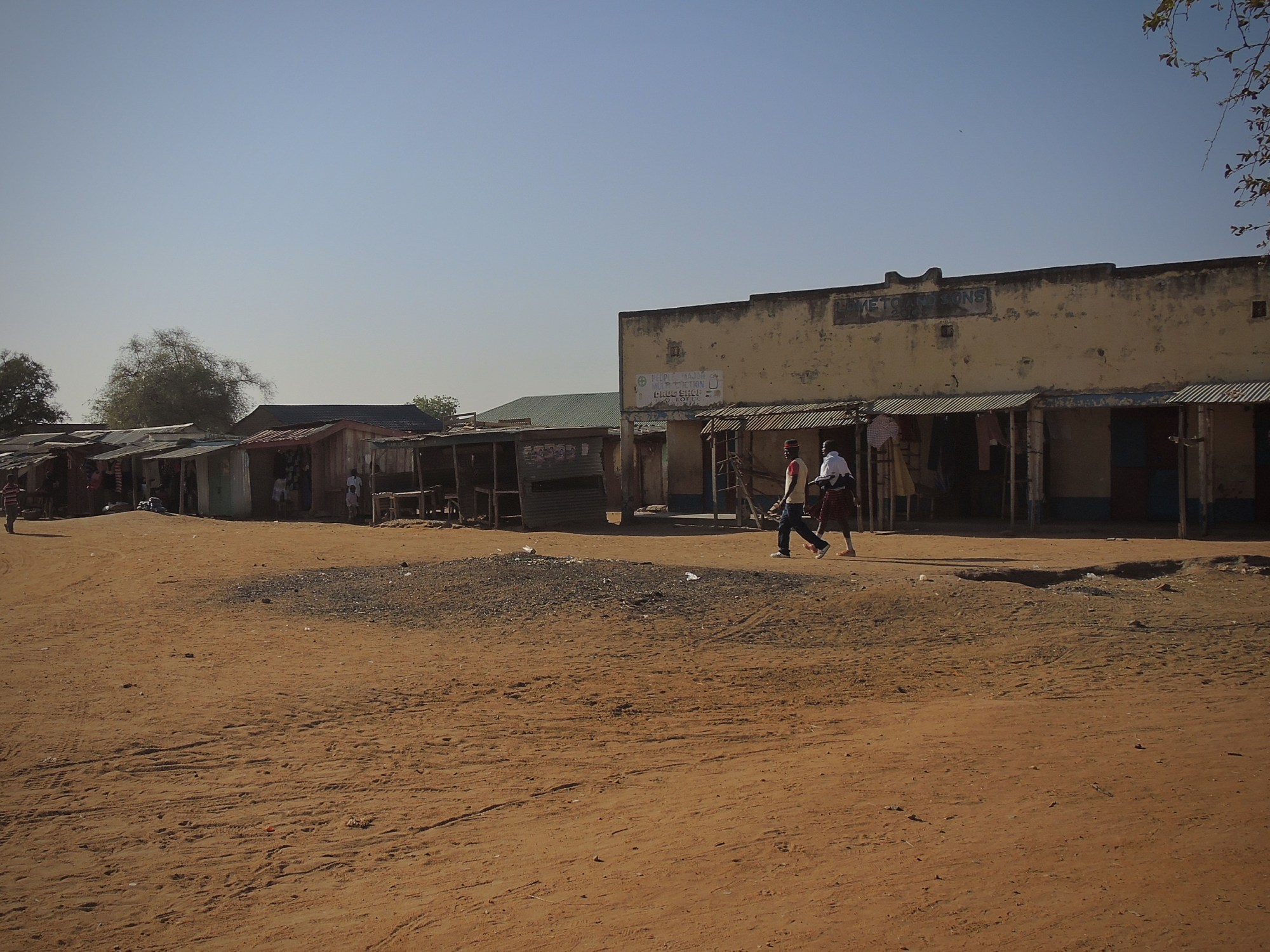
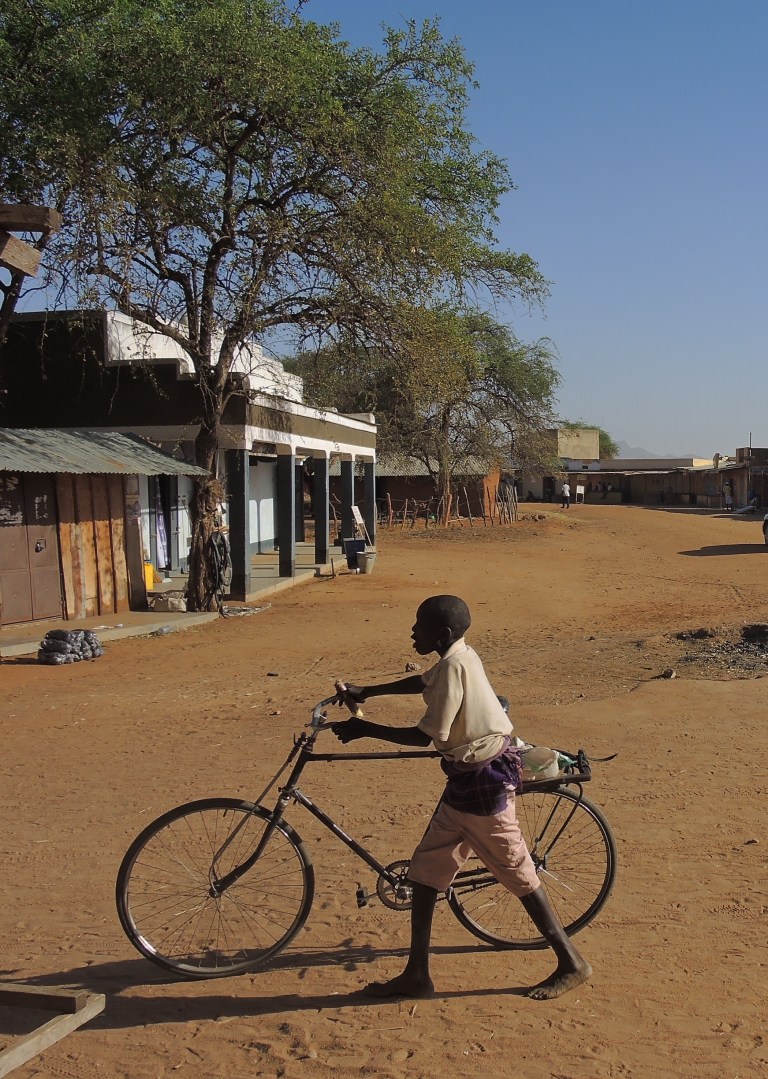
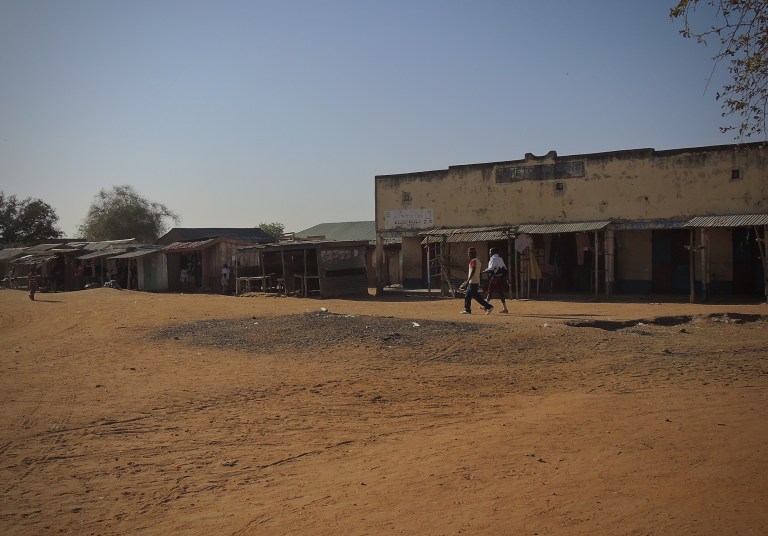
If you look in an encyclopedia under “Northern frontier town” you’ll find a picture of Kotido. There are a few main streets which intersect in front of the Uganda Wildlife Association office and rudimentary bus stand. There are a lot of unemployed men around, lounging in the shade watching what little activity there is.
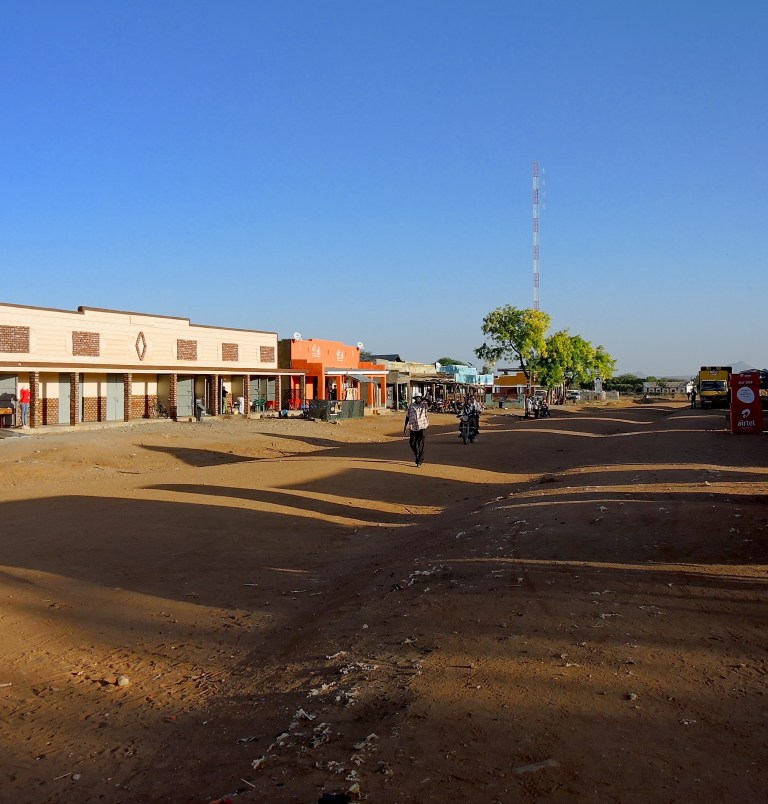
I loved Kotido. It was hot, dusty, semi-wild and set in a beautiful flat landscape of rock, scrub and dust; but it felt exotic and far away, like a place you’re not really supposed to be that you managed to sneak into when no one was looking.
To put icing on the cake I met an American woman there, Kate, who worked for a U.S. NGO. We got together in the evening for a few beers at her compound. She told me a lot about the people of the region, the challenges produced by the hard, dry land, and what aid groups are trying to do to bring standards in Karamoja closer to those in the rest of the country. Northern Uganda was off limits for a long time so most international improvement efforts are well behind those in other regions.
I got lost walking home from her place in the dark, and stumbled up and down the main street shining my small flashlight on the buildings until I found my hotel.
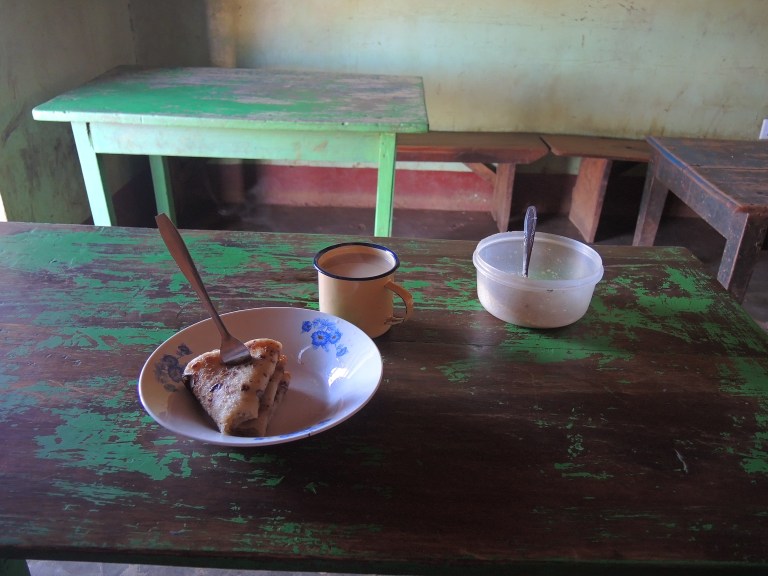
I spent a few hours in the afternoon the next day wandering around trying to figure out how I was going to leave town when the time came. There was transportation heading back south towards Lira where I’d come from (including the dust-mobile I’d arrived in), but little if nothing heading west where I wanted to go. Robert, an officer at the Uganda Wildlife Office, told me there was little regular traffic but occasional trucks would go that way if they had a need; and “probably” a minivan in the later afternoon. My strategy took shape: when I was ready to leave town I’d wake up, eat breakfast, walk over to the road that pointed out of town to the west and wait for something to show up. Simple, but hopefully effective.
Next week I leave Kotido and head west across the emptiest part of the entire region to Karenga and Lira, first in the cab of a large truck, then on the back of a motorcycle, then in the back of a pickup truck.
Stay tuned!

Discover more from The Plain Road
Subscribe to get the latest posts sent to your email.

A few years back I reached Kotido in an actual bus rather than a car from Lira, it did leave around mid day mind. I stopped for a few days on the way there and back at the town of Abim and I enjoyed my time in Abim as much as I did in Kotido. I remember a great bar in Kotido run by a Muganda woman that also doubled as a the best shop in town. Pretty sure I breakfasted at the same place. I stayed at the “Cave Inn”, and it looked like it was about to cave in!
Loving the posts, loving the photos.
LikeLike
Amazing read.
https://theemunyakigezi.wordress.com
LikeLike
There is lots of sprinting in baseball. Whether or not you should take a base or go to home platter, sprinting is vital. To help increase the rate of the sprinting, manage simple drills. Time your self operating from home plate to first bottom. When you start, potential off to acquire the highest rate.
LikeLike
yap yap…..thats the true karamoja. For God and my country
LikeLike
Really enjoying this adventure. Interesting to read of the differing “kinds” of people you can meet in the same country.
LikeLike