
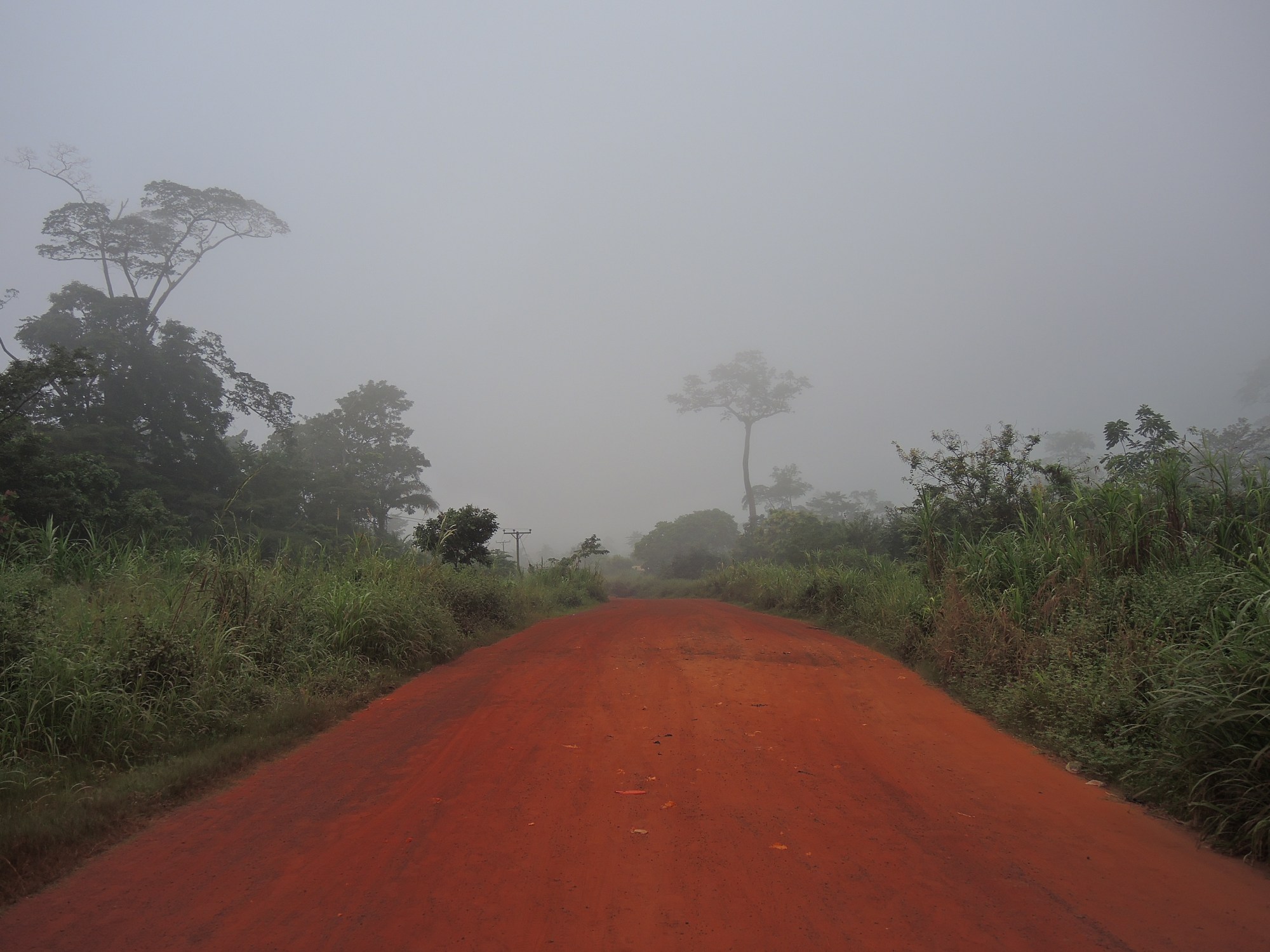
The Ashanti region of Ghana is the third largest of the country’s ten regions in terms of area, but it’s the most populated with nearly 20% of the country’s total population. It feels dense. There are a lot of villages and settlements visible along the roadside, and the towns are bustling and crowded. Most of Ghana’s gold and cocoa comes from Ashanti, and it hosts the second largest city, the miraculously crowded and chaotic Kumasi.
The Ashanti region is also home to the Kingdom of Ashanti. At its height in the 18th century the kingdom controlled an empire that stretched from central Ghana to present-day Ivory Coast; today it’s not as powerful, though the Ashanti are very proud of their region. I gathered that many people in Ghana outside the region view the Ashanti as somewhat snobbish and on their high horses, riding the long since moved-on status the kingdom once afforded. They do, however, have their own king: Otumfuo Osei Tutu II Asantehene, in case you were wondering.
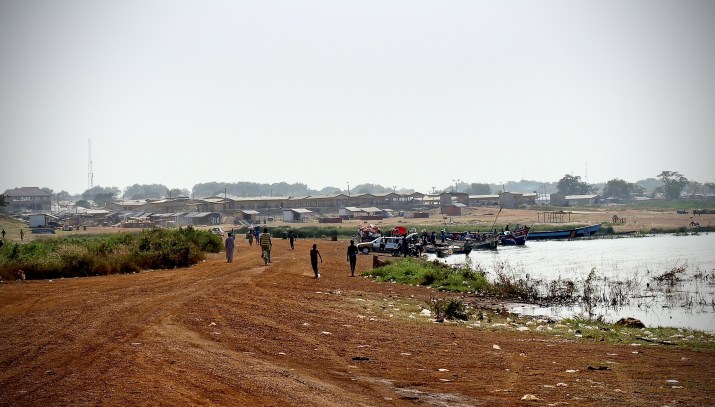
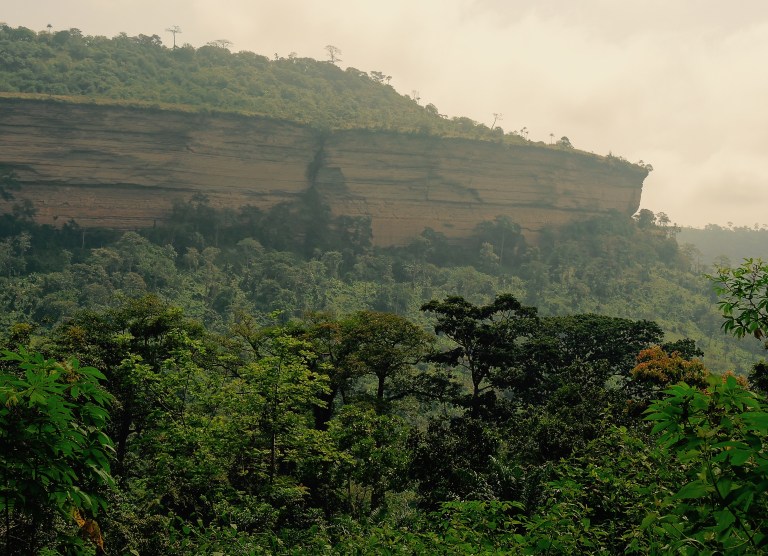
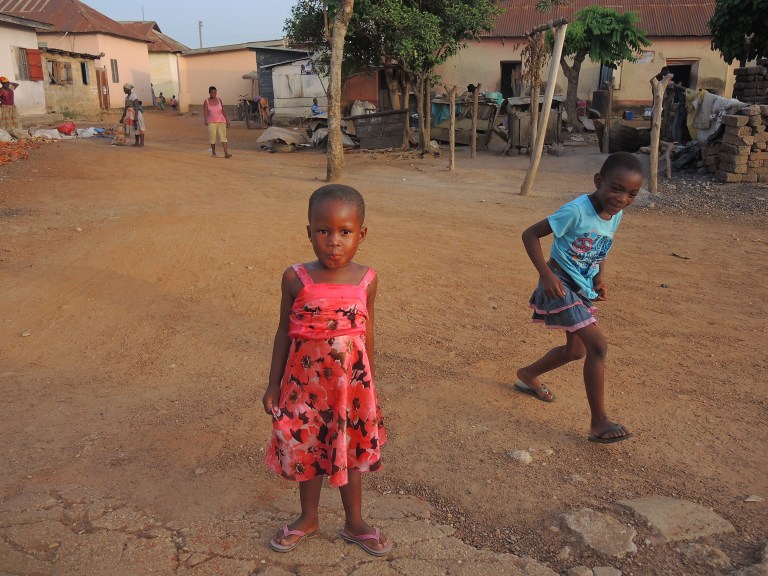
It’s a rich culture, as far as sub-saharan African ones go, with a history of poetry and dance and music and crafts. I confess that I didn’t learn that much about the actual culture, though I enjoyed the region very much. It’s a beautifully rich green ribbon of rolling hills and valleys and red clay roads, with charming villages and busy little towns.
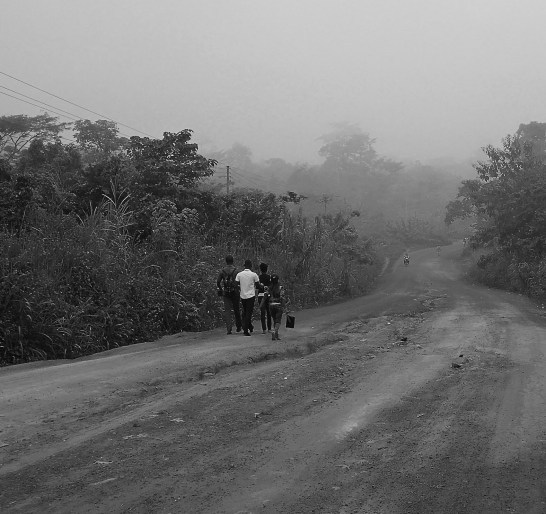
I stayed for several days in Banko at a small guest house operated by a Dutch woman – Patricia – who married a local and has lived in Ashanti for many years. She also manages an orphanage and a bakery. She hosts Dutch traveler-volunteers from time to time and I was lucky in that two were there when I arrived, Lisa and Bente, both energetic young women. I enjoyed their company over meals for several days as I wandered far and wide around the region.
One day I walked a long way from Banko to the village of Atria and climbed the Aburi Prayer Mountain. There was a long, hard, hot series of earthen steps and ruts leading to a wide plateau at the top of the mountain where the air was cool and fresh. A handful of men and women sat in little groups singing hymns and reading their bibles. Ghanian Christians feel there is a stronger presence of God at the top of mountains, so they routinely make the journey up hillsides to pray. The Aburi mountain was fairly well known, I gathered, and though I can’t say I felt anything other than mild sunstroke and a blister I enjoyed the climb.
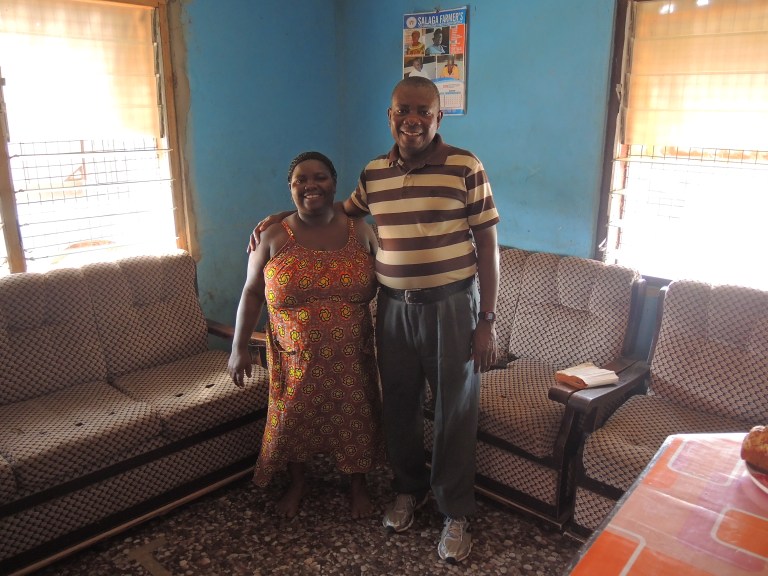
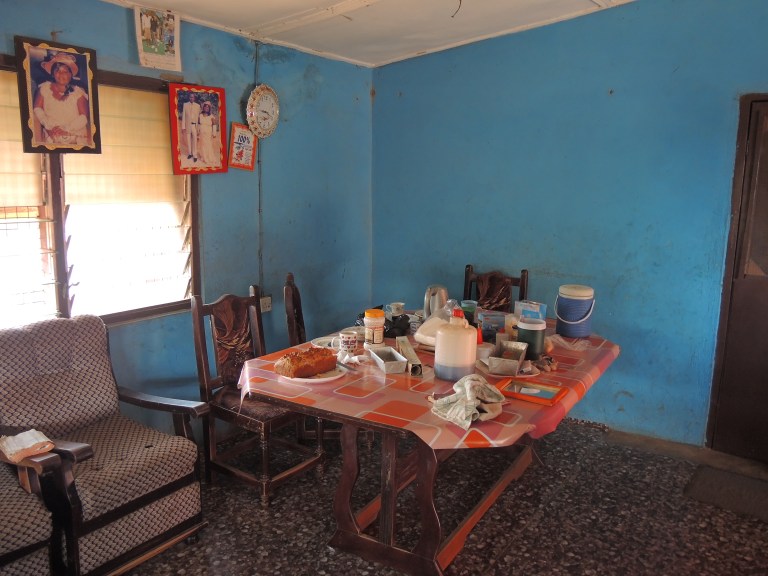
One day I met Francis Addae, a local minister. He invited me to his home for breakfast one morning where I met his wife and daughter and was treated to a greasy omelette and a delicious slice of homemade banana bread. Francis was friendly and warm and enthusiastic, just like all the other people I met in Ghana.
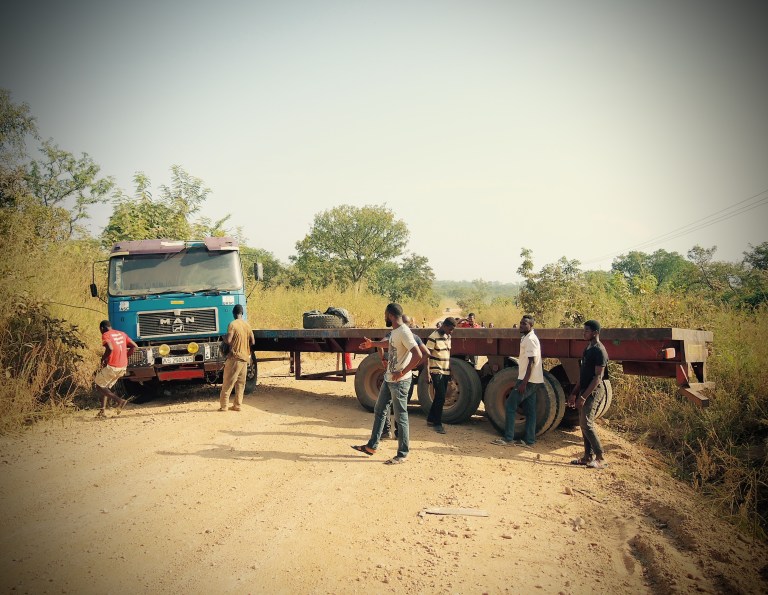
I returned to the Ashanti region several weeks later as I traveled north to south, but in the meantime I left the green villages and headed north to the dry Sahel region of the north, with its dry, desert-like landscapes and whimsical baobab studded valleys.
…
Stay tuned for more!
Discover more from The Plain Road
Subscribe to get the latest posts sent to your email.
